The way to handle it is straightforward, as you will see in “Report Road Flooding In Victoria”: for council-run roads, drains and stormwater, put in a call to your local council; state-managed roads are the domain of VicRoads or Transport Victoria. Should you need urgent flood assistance, VICSES can be reached on 132 500, and if there is anyone in peril, dial Triple Zero 000. For more detailed guidance on flood emergencies, visit the official flood assistance page.
There is no point in driving into floodwaters to have a look at the problem. Make a U turn, note down where you are from somewhere secure and then file a report with some good details. When flash flooding has left the roads awash with water and debris and an odd branch or two that seems to think it is in charge, a couple of well put facts will expedite a crew’s response.
Noah Campbell has written this guide to show Victoria residents how to identify the proper authority and what to tell them when reporting a flooded road, and where one can find out about traffic conditions and any road closures.
A Quick Way To Report A Flooded Road
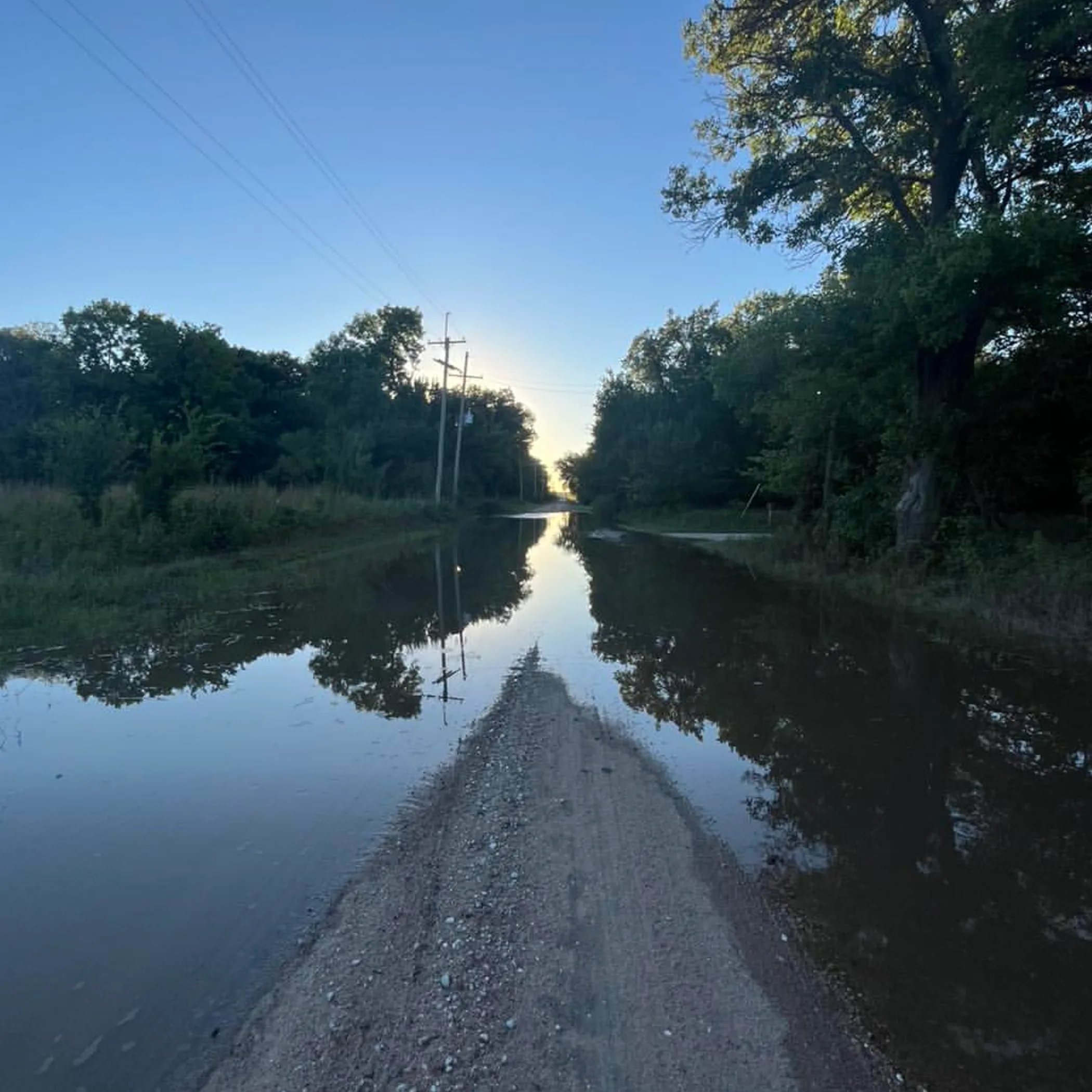
Your first move should be to put some distance between yourself and moving water; do not go onto a flooded road. If vehicles are stranded, the water is on the up or the road is impassable, consider it an urgent hazard and not something for the maintenance queue.
Go to the authority in charge. Local councils will take care of the local streets, kerbs, gutters and any blocked drains, including local stormwater issues. For the major freeways and state roads, that is VicRoads or Transport Victoria. VICSES is for emergency flood help, Triple Zero 000 for any threat to life.
Who To Contact And What To Say
| Situation | Best Contact | What to report |
|---|---|---|
| Flooded local street or a drain that is blocked | Local council | The drainage issue, depth of the water and the street name, suburb or nearest property/intersection. |
| A major road or state route under water | VicRoads / Transport Victoria | Name of the road, which lane and direction of travel, any debris or access restrictions and water on the carriageway. |
| Emergency assistance needed or homes in the path of floodwater | 132 500 (VICSES) | Where you are, if anyone is injured or trapped and the kind of help you need. |
| Life is in immediate danger | 000 | The nature of the danger and location of those at risk. |
If it is not an emergency, look for a “report an issue” or “report a road hazard” service on your council’s site. They will have a phone line, an online form or a mobile tool. Not sure of the council? Put in the street and suburb on the website and it will tell you.
Identifying The Road Manager
It is best to know who is responsible for the road so your report does not end up going the long way round several departments. For residential roads and any flooding from a blocked pit or gutter, the local council is the one to call.
Then there are the arterial roads, highways and freeways. These are state-managed and may be with VicRoads or Transport Victoria by virtue of the operating arrangement. See a state route? Use the official channel for reporting.
When To Call On The Council
Flooded local roads, damaged kerbs, an overflowing gutter or any concerns with the stormwater drainage are matters for the council. They might also look into whether poor drainage or some other maintenance issue is behind recurrent flooding.
You will find each council has its own way of doing things, be it the City of Casey, Darebin, Merri-bek or the City of Greater Geelong. Do not expect a report filed with one to be passed on to another, it is like leaving a letter for a neighbour and putting it to the wind.
Reserve the emergency contacts for when the situation is serious and the water is fast moving or making its way into buildings. For the rest, use the council.
Council First
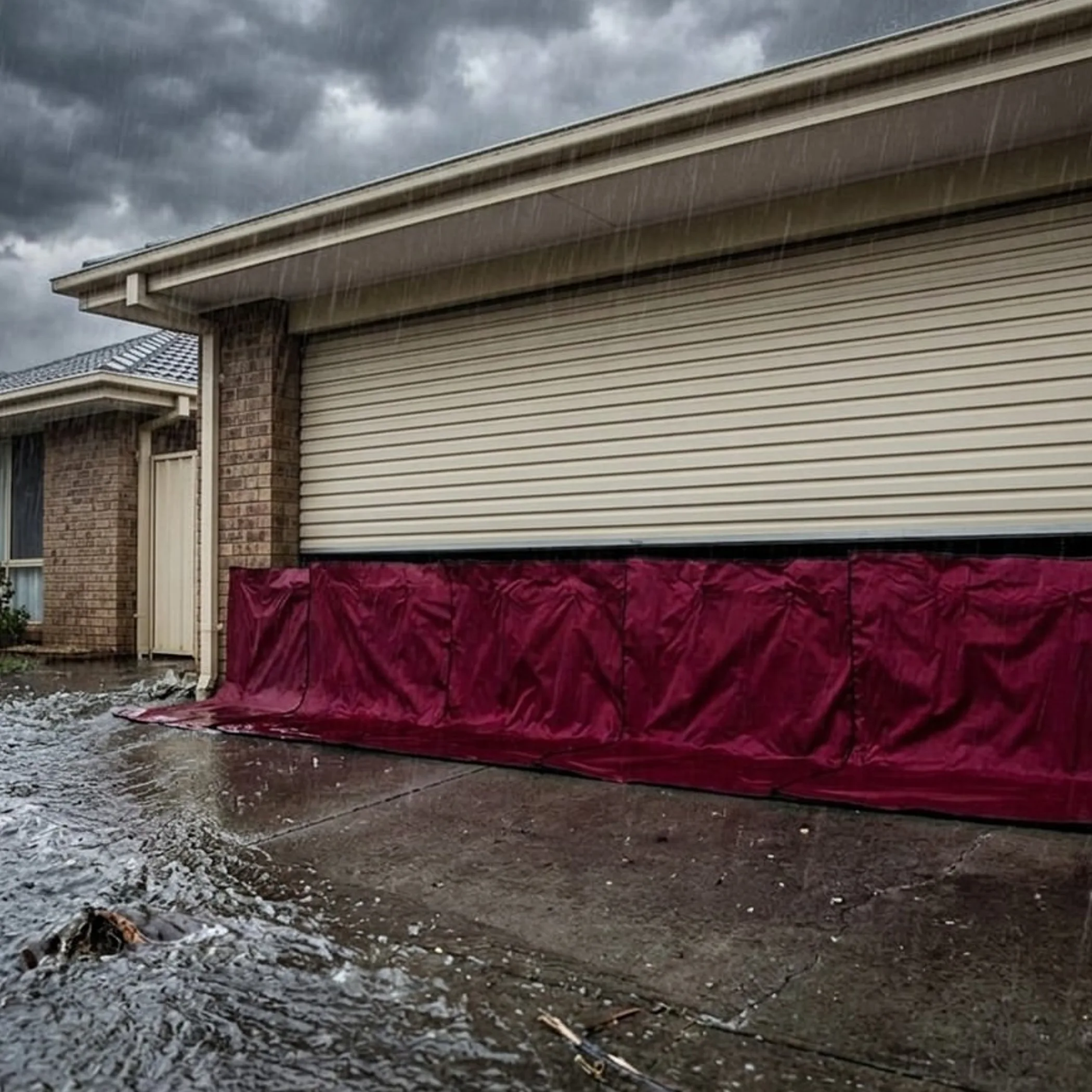
Any issues with a footpath, kerb, local street or a council drain should be reported to them. This holds true if you notice water tending to collect in the same spot after a moderate rain.
One can attribute a single instance of a flooded road to hard rain and not a fault in maintenance, but logging the location is useful for the council to see patterns and decide if they need to put in place some temporary controls or close the road.
Make Your Report Count
Tell them what is going on and why. Point out if there are blocked drains, a sinkhole, a missing sign, eroded edges to the road, a damaged grate or water over the lane markings. When a problem is not a first occurrence, put down the weather conditions or give an approximate date. One might find that a drainage deficiency or maintenance deficiency is to blame if flooding recurs with any normal rainfall; something more extreme would call for a wider inquiry.
But do not go putting yourself in the traffic lane, entering a drain or taking out a grate in order to secure a good photograph. The drainage infrastructure is often stronger and nastier than it appears and can be very deep.
Major Road Problems: Escalate them
Should a state-managed route, freeway or major road be damaged or under water, put in a report via VicRoads or the appropriate Transport Victoria channel. This is for hazards of the like of deep water, potholes, debris in the lanes, missing signs, landslips, fallen trees and barriers in disrepair.
If you are unable to make an online report in safety and a road hazard is in need of some promptness, call 13 11 70. Put the phone away when behind the wheel; pull into a safe, legal spot or have your passenger dial.
State Roads require precision
Crews will want to know exactly which way you are travelling. “Flooded near Melbourne” does not cut it. Be sure to mention the locality or suburb, the name of the road, the closest intersection and the lane or shoulder in question, and if there is room for traffic to get by. On a long stretch of road put in the kilometre marker or a well known landmark or service station. It is all too easy for mobile mapping to put the pin on the wrong side of a creek or for two intersections to have the same name.
For an idea of travel disruptions and closures, have a look at VicTraffic or Transport Victoria before you set off. With heavy rain the situation can alter in short order and a road open half an hour back could be closed now.
Provide the crews with information they can act on
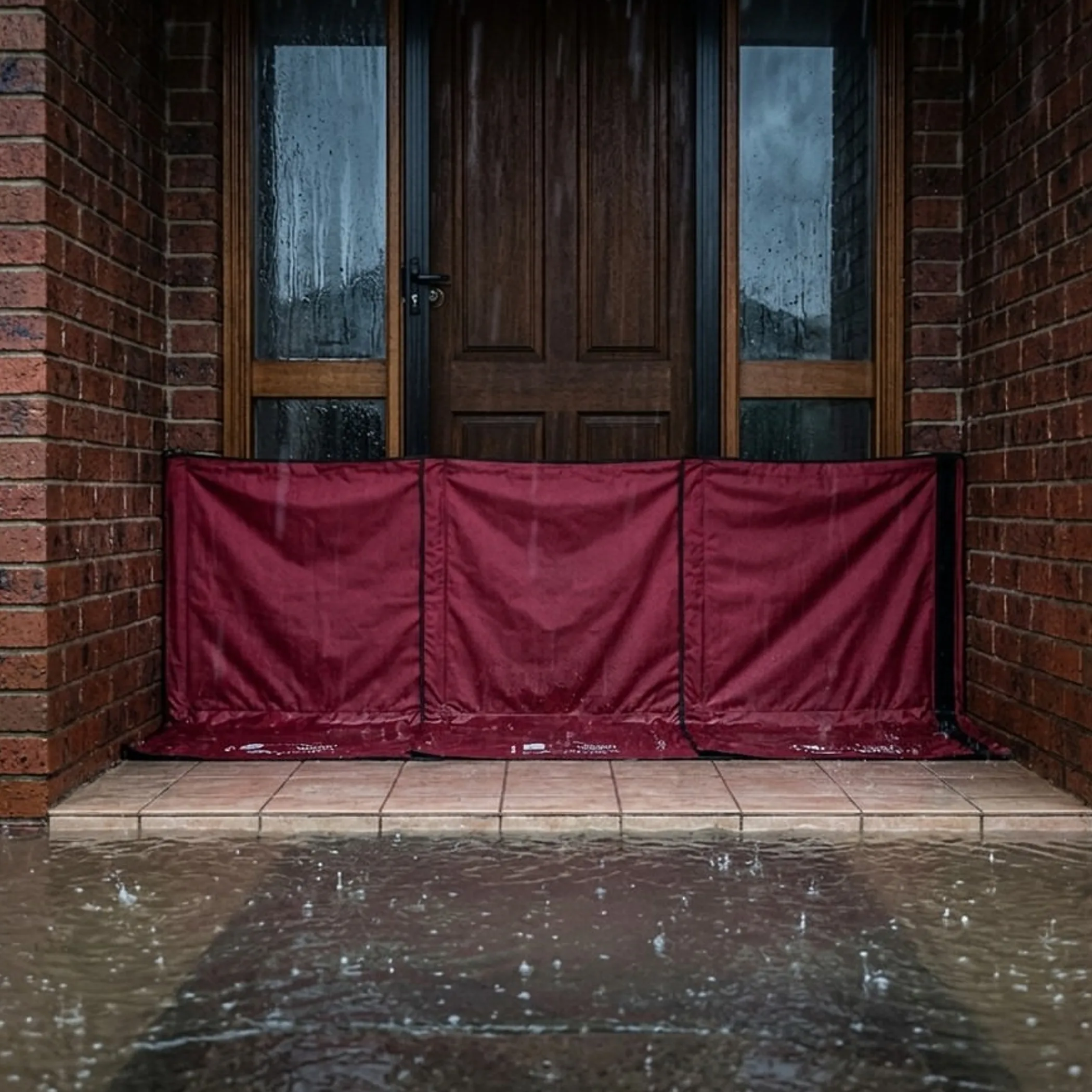
A factual, unembellished report allows the authorities to judge the urgency without having to put someone in harm’s way to decipher your meaning.
- Be specific as to where: road name, suburb, nearest intersection or kilometre marker.
- And what: a pothole, floodwater, a sign that has been damaged, a blocked drain, debris or a caved in shoulder.
- How deep the water is, if it is on the rise and which way it is flowing.
- Any effect on traffic, be it a blocked lane or pedestrians with no safe access.
- Photographs from a position of safety, not from in the water or in the path of traffic.
- Your details if the service asks for them.
Make a note of the time and the weather. A reference number or confirmation email from an online report of a flooded road is worth keeping to hand in case the hazard is still there or gets worse.
Context is important in a photograph
You may as well have a wider shot than a close-up of water on the road. If it can be done without risk, put a street sign, fixed landmark or lane marking in the frame. For heaven’s sake do not walk into the water to see how deep it is or take pictures while driving. There are open drains, electrical and sharp hazards, potholes and compromised edges to be found in floodwater.
Travelling in severe weather? Check the warnings
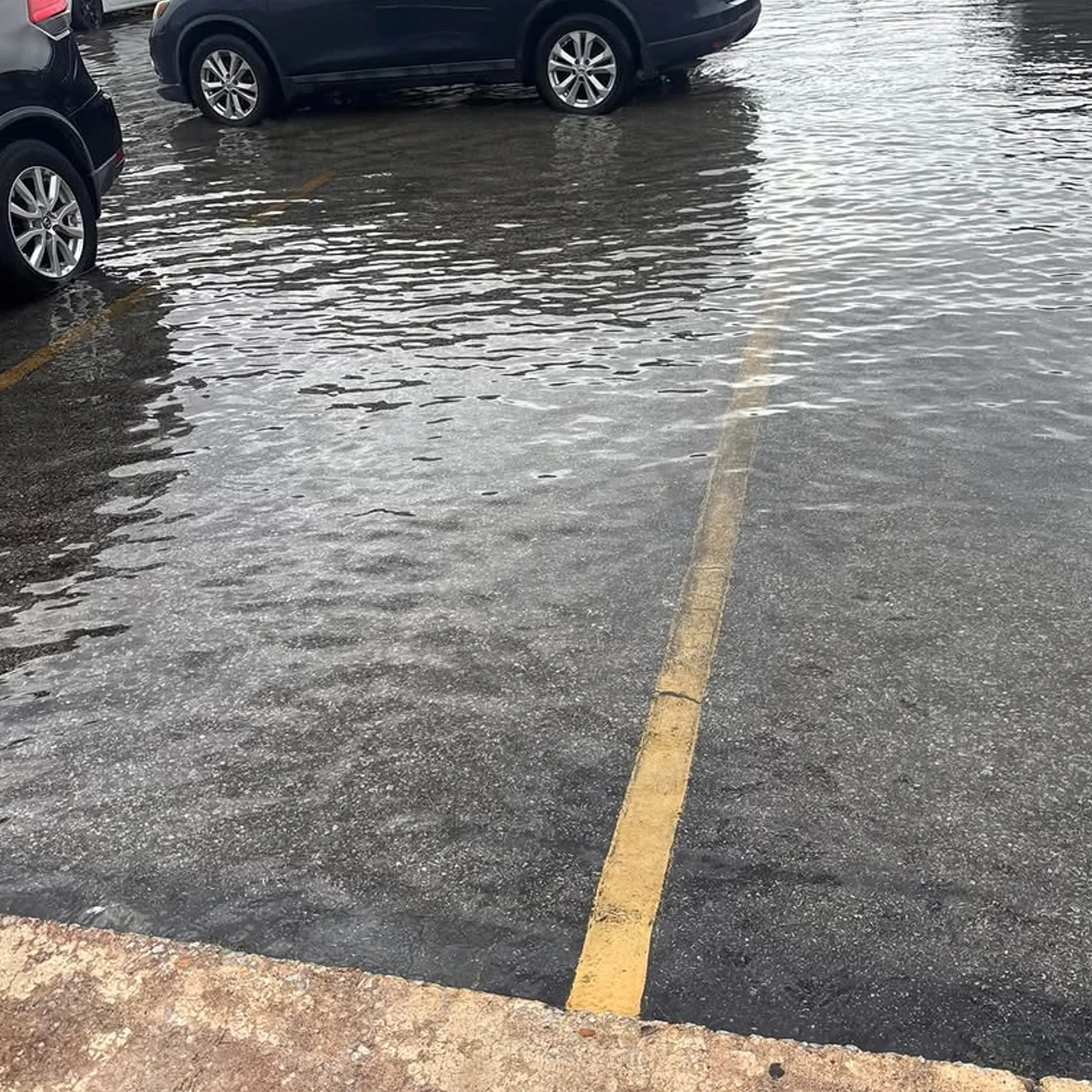
The Victoria State Emergency Service is there for storm and flood assistance, and VicEmergency will have the emergency advice and warnings for any part of the state. Their incident information is the place to check for current alerts.
Then again, use maps with some caution
A flood map will tell you of risk but cannot vouch for a road being safe at any given time, particularly after a hard local downpour has sent water over the road beyond the mapped zone. And do not put as much stock in the blue line on your navigation app as an electronic sign or a barricade. The app has never had to tow a hatchback from a creek.
To see if an address is prone to flooding, consult the council for their drainage and planning advice and cross reference with what is being warned. Old flood maps are fine for awareness but they are no substitute for a live safety clearance.
Exercise care with floodwater
It can be deceptively slow and shallow. Underneath or around a culvert the water is moving and the road may have been scoured away. Do not drive through unless an emergency authority has told you the way is clear; a car can come adrift in less water than you think. On foot one risks contamination, broken glass, snakes and holes.
Emergency steps that matter
- Get to higher ground or put some distance between yourself and a flooded road.
- There is no need to hesitate in calling Triple Zero 000 where there is an injured or trapped person, or anyone in imminent peril.
- For flood or storm help that is pressing but not a matter of life and death, dial VICSES on 132 500.
- Comply with any emergency directives, be they for evacuation or the closing of a road.
- And when you are in the clear, make a report of the hazard to your council, VicRoads or Transport Victoria as appropriate.
Do not let children or pets come near moving water. Should your vehicle be surrounded by floodwater, only vacate it if the situation is safe and you have the backing of emergency advice; if not, put in a call for assistance and do as the services tell you.
The Costs and Timing of Things
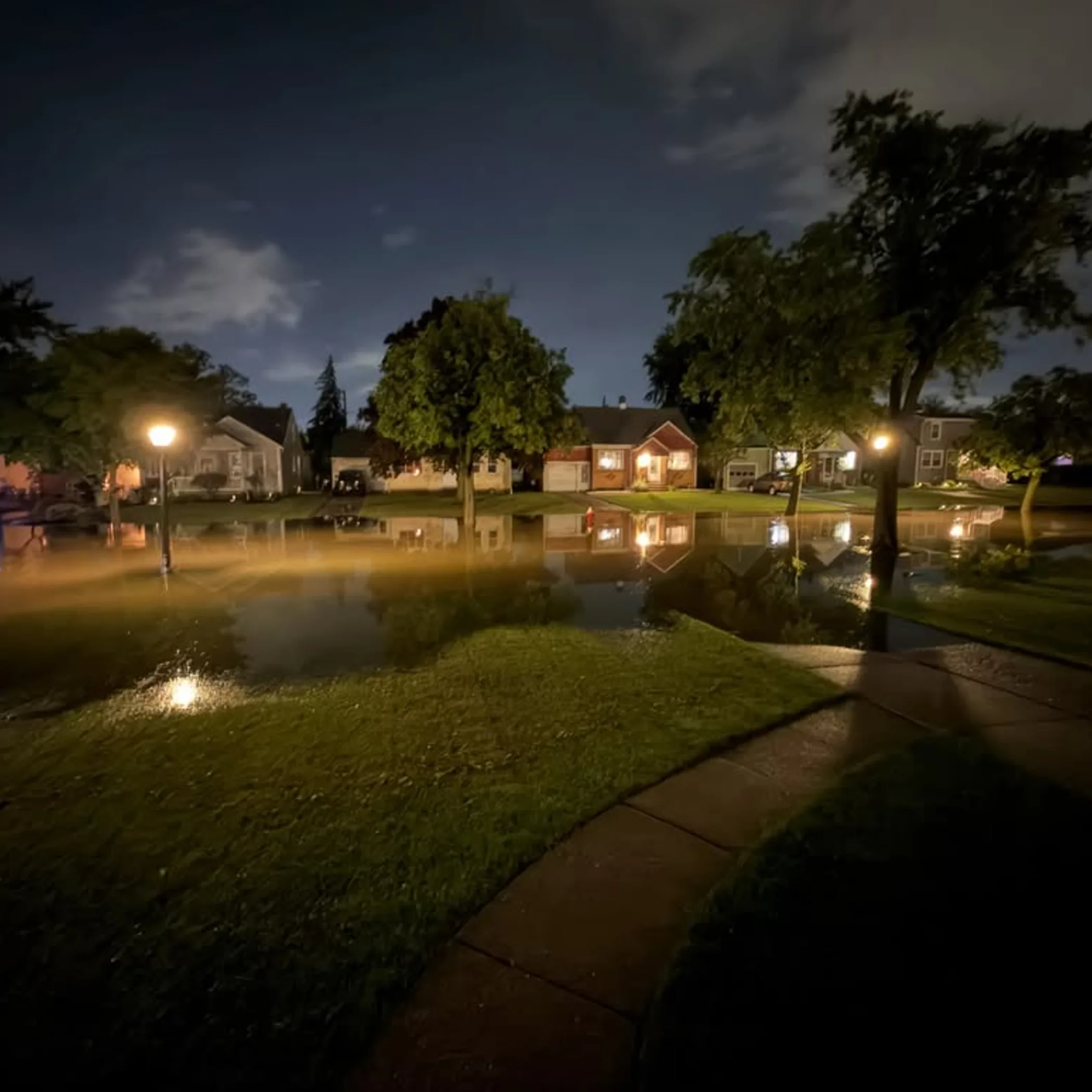
It will not cost you to report a hazard, yet do not anticipate instant repairs or closures. In the event of extensive flooding, emergency personnel will put life safety, rescue work and critical infrastructure ahead of a routine drainage issue.
How long a response takes is a function of how hard it is raining, the state of traffic, access and the severity of what has been reported. A blocked drain on a side street will have to take a back seat to a downed bridge or an arterial road under water. It can be maddening, but it is risk-based triage, not your report being lost in the dunny.
What You Can Expect
You might think a single report will see a permanent fix put in place right away. In point of fact, the engineers may first put up barricades, control traffic or pump out water and inspect before determining what long-term work is called for.
And while it is tempting to blame the council for every inundated road, the reality is that low-lying land, a creek running over, private drainage or simply extreme rain can be to blame. Still, reporting is worth doing as the authorities want to see what is happening on the ground.
Making Your Report
A good report is specific, made from a position of safety and to the proper authority. The local council for local roads and drainage, VicRoads or Transport Victoria for the major routes. Triple Zero 000 for any threat to life, 132 500 for VICSES if you need urgent flood assistance.
One does well to resist the urge to drive up close for a better vantage point or to put trust in an old navigation route and file a state road with the council. Be sensible: stop, consult official information and verify the exact location before passing on what you have seen.
Such details are for the protection of other motorists and residents as well as the crews. On a wet day, that is preferable to making yourself part of the report.
Frequently Asked Questions
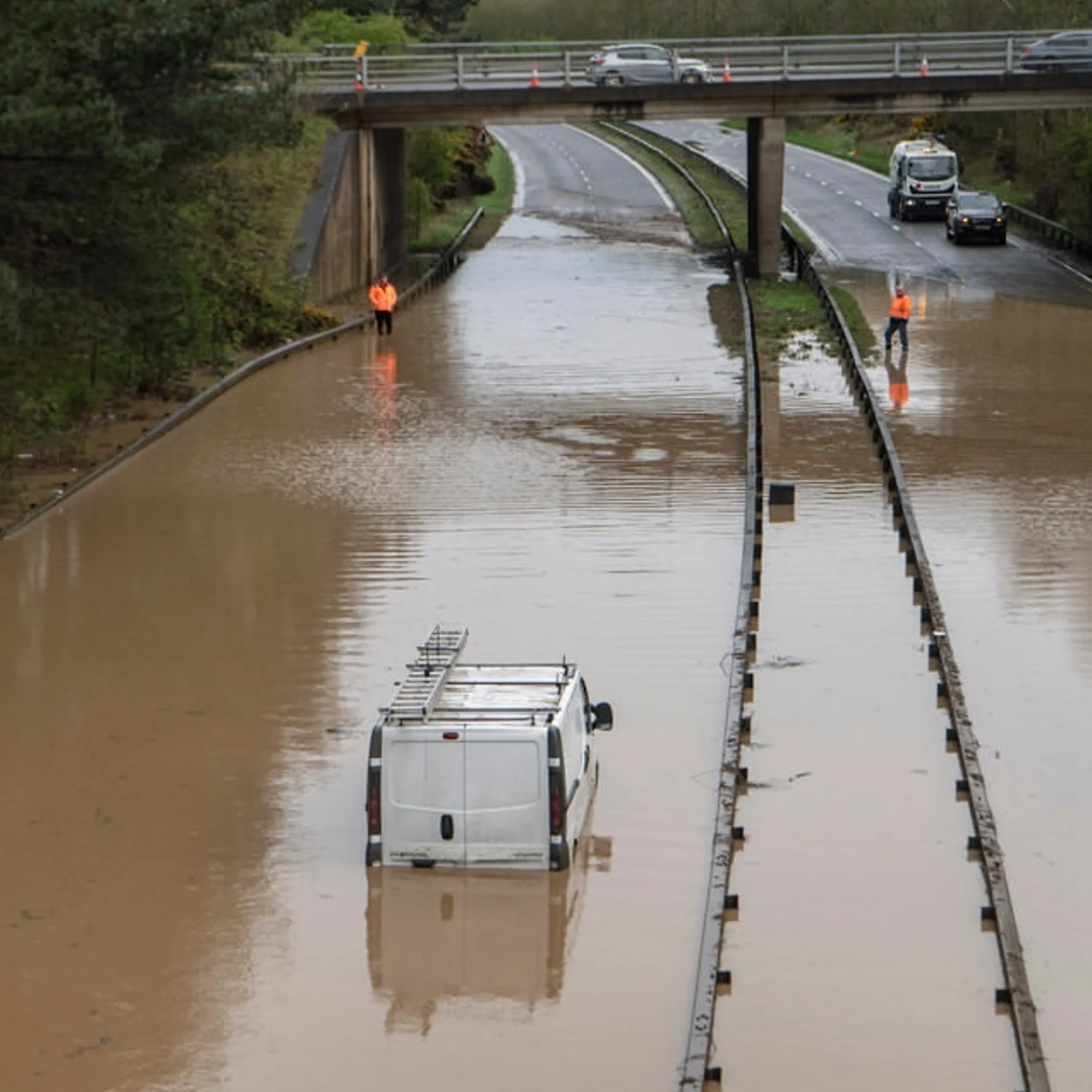
Reporting Road Damage in Victoria
For damage on local streets, the relevant council is who to contact. With major state-managed roads it is a matter for VicRoads or Transport Victoria. Give them the type and location of the damage and any photographs you can safely take, along with an account of the impact on traffic.
Is an address prone to flooding?
Have a look at the council’s flood map and information and any warnings or road closures from VicEmergency. Past mapping will show you the risk but cannot vouch for live conditions or say for certain a property will flood in a given storm.
Who to call in a flood?
If there is no immediate danger to life but you require urgent storm or flood assistance, phone VICSES on 132 500. Any one in danger or injured calls Triple Zero 000. Non-emergency matters for the road or drainage go to the council or state authority.
Emergency procedures
Stay off flooded roads and moving water and head for higher ground if you must. Barricades and closed roads are to be left alone. In a life-threatening emergency, call 000.
Online reporting of a flooded road
Provided it is safe and not an emergency, this can be done via the council or state service. To make an online report effective, include the name of the road and suburb, the nearest intersection, the depth of the water and time of observation and how it is affecting traffic.