The first rule of gas appliance safety is a straightforward one: regard your equipment as something that requires proper installation, fresh air and some upkeep. While you can put in years of safe service from a hot-water system, cooktop, barbecue or heater, leave the burner out of adjustment, have a hose in poor condition or a flue on the block and you are inviting the prospect of an explosion, fire or carbon monoxide.
Noah Campbell here. I put together this kind of practical advice for those who prefer to stave off trouble rather than have to account for it to a firefighter later. You will not find licensed gasfitter credentials with me, so do not take this guide in lieu of professional emergency counsel or an inspection. What it does offer is a sound basis for the householder to use appliances as they should be used, to see what is amiss and to know when to stand down.
Make Your Home Safer
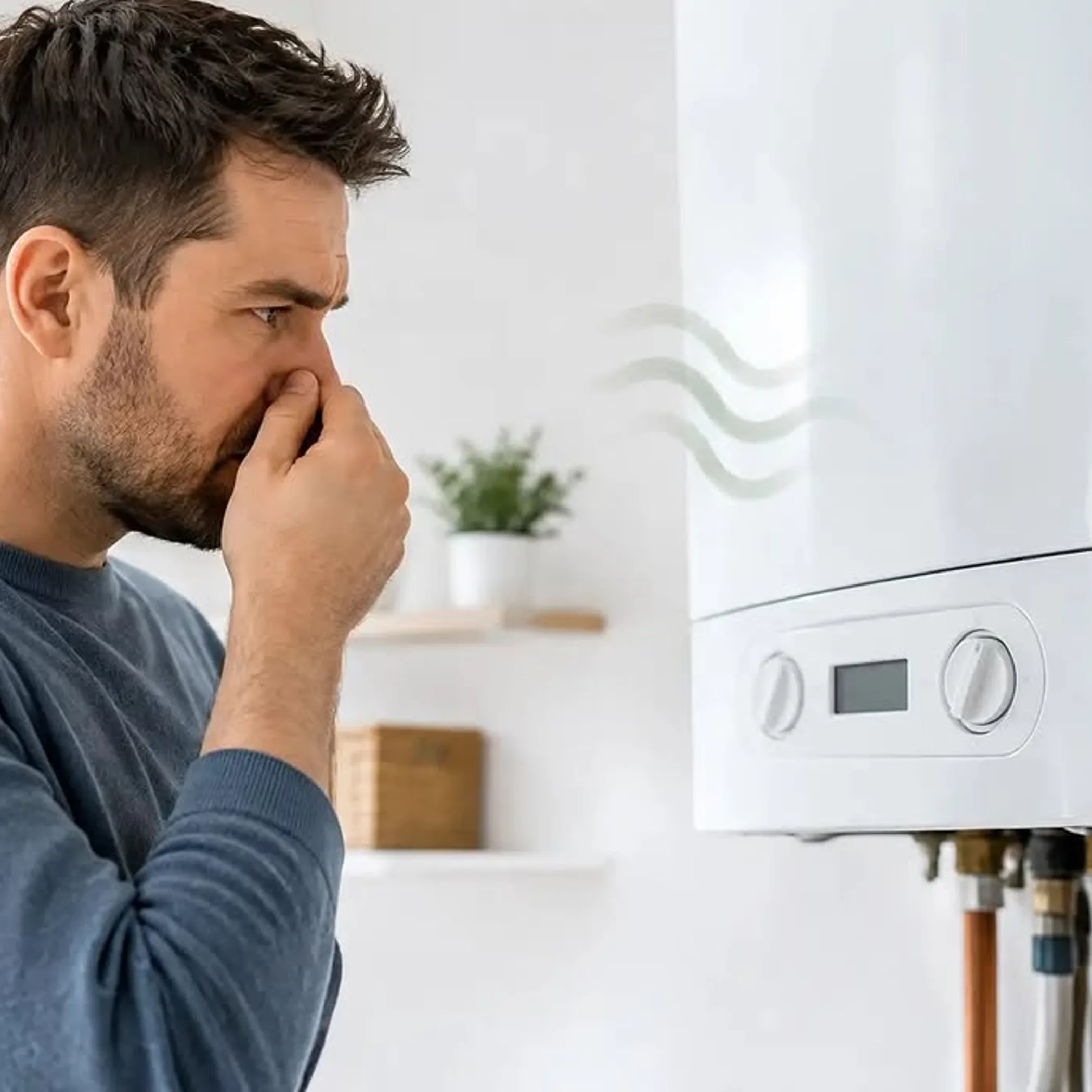
There is no need for any heroics in good gas safety, just routine. An obvious problem can be nipped in the bud with a couple of checks before it turns into something costly or a right pain to put right.
One should be mindful that licensing and the rules of the road differ across Australian states and territories. Put in a call to your state or territory regulator or look at the household gas safety guidance from Energy Safe Victoria for the latest on public safety before you have work done.
Get to Know Your Appliances
Go through the home and list all the gas appliances. That means the fixed ones like the oven, wall furnace, ducted heater and hot-water system as well as portables in the way of a camping stove, patio heater or barbecue. For help with fixing gas hot water problems, consult a qualified professional.
Note the age and fuel type and where each is sited. Put the manuals and service receipts in order. Should anything go pear-shaped, it will make sense of the layout for emergency services and give a gasfitter the information to put his finger on a fault.
And they are not all the same. Unless an authorised professional has made the conversion, an LPG appliance is no good for mains gas and vice versa. Do not be fooled by a nozzle, hose or regulator that looks the part.
Let the Air Circulate
You cannot have combustion without oxygen and there has to be a safe exit for the by-products, carbon monoxide among them. So do not put up obstructions to the chimneys, flues, air grilles or permanent vents around a heater.
It is a habit of households to let laundry, storage tubs or curtains encroach on the vent until the room is as full as a sardine tin. Follow the instructions and leave the flue outlet and inlets unobstructed.
As for the garage, shed, caravan or verandah, there is no place in there for an outdoor gas appliance, portable cooker or barbecue. A window open is not going to do the job of outdoor ventilation.
Don’t Let Problems Get Away With It
A gas fault will usually show its hand before it is an emergency. Unusual flames, odd smells or physical symptoms of no explanation should be dealt with, not put off till Saturday with a shrug.
Natural gas and LPG are hard to put your nose to unless a warning agent has been put in, which is why the smell is akin to sulphur or rotten eggs.
Heed the Warnings
If the flame is yellow and lazy instead of the steady blue you are accustomed to, switch it off and get some professional input. The same goes for any soot, scorching or condensation by the flue, or a pilot light that will not stay lit.
Hissing, a corroded regulator, uneven ignition or a damaged hose are all things to look into. But put the tools away; a gasfitter is trained to check the pressure, flue and combustion. And forget about using a flame to hunt for a leak, that sort of thing is as defunct as indoor tinnies.
Be Alert to Symptoms
You can neither see nor taste carbon monoxide. Yet if you are feeling short of breath, confused or unusually fatigued, or have a headache and nausea in the vicinity of a gas appliance and it passes once you are out of the building, do not write it off.
In the event of suspected exposure, get out of there at once, others and pets included. Don’t touch a switch or make a flame and dial 000 if anyone is in bad shape. Wait for the all-clear from a professional or emergency services before you go back in.
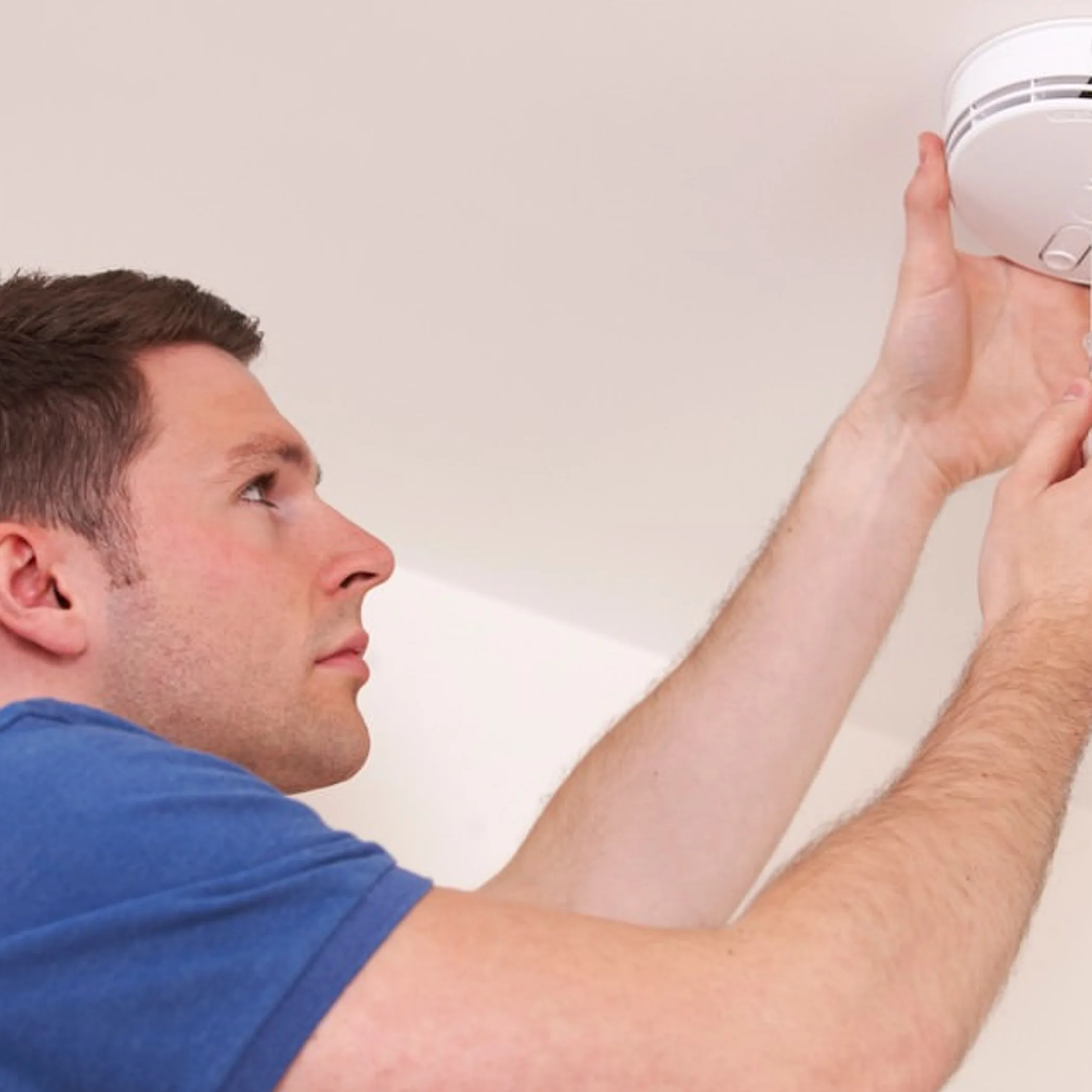
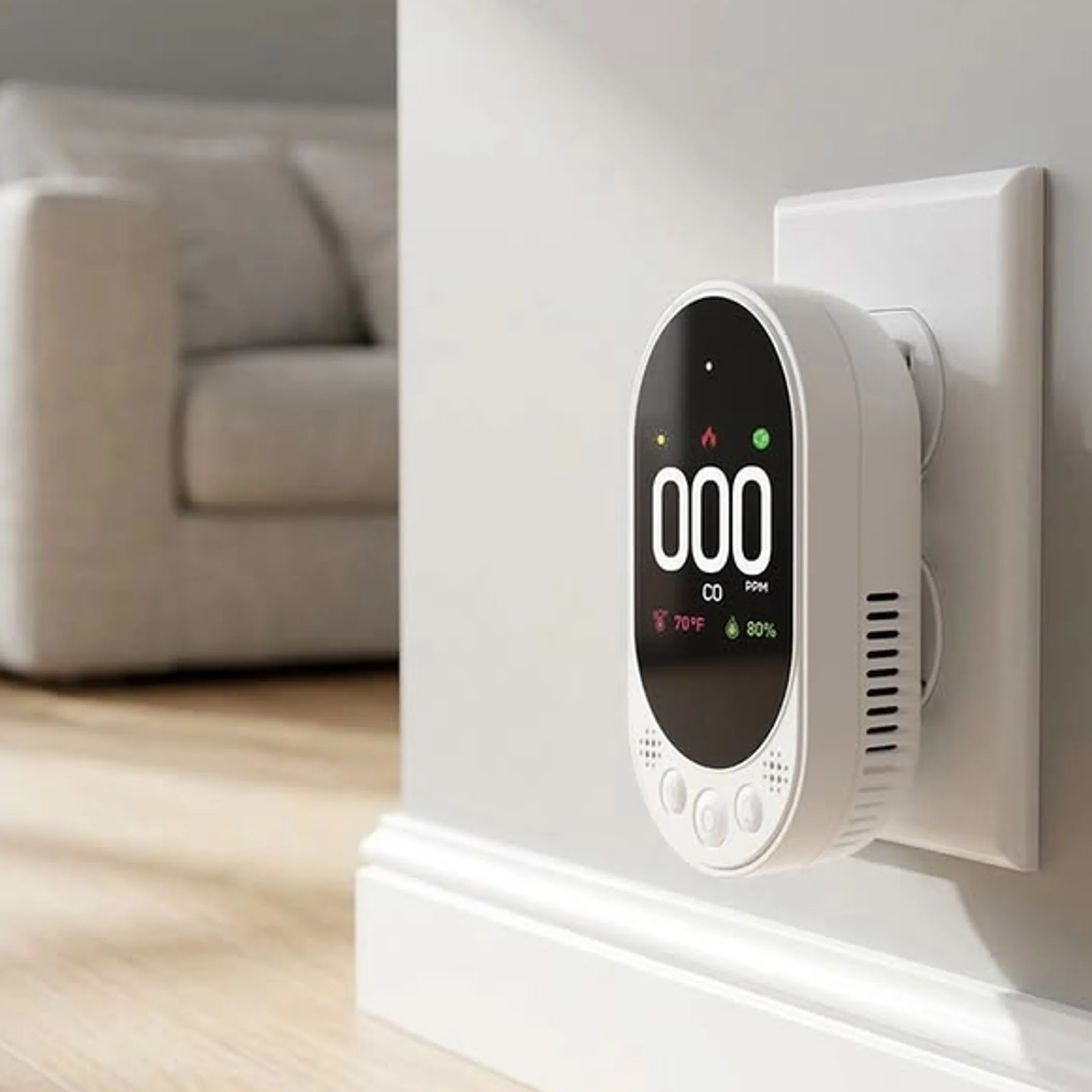
An alarm for carbon monoxide is a useful extra precaution but it is no substitute for having the thing serviced and ventilated properly. Pick one for the location and test it as you ought.
Proper Use of Cooking Equipment
More than a few gas gaffes are made in the kitchen when one’s attention is on the children, the dog or the smoke alarm in a tizzy and the dinner. Good habits will limit your exposure to combustion products and lower the risk of fire.
While a gas burner is in use, do not leave the kitchen. Make sure the flame has no tea towels, paper wrappings, oven mitts or aerosol cans in its vicinity. A pan handle should be turned in to prevent a hot saucepan from being knocked to the floor by an elbow.
Flames And Burners
Follow the manufacturer in lighting a burner. Should one fail to light at once, put it off and let the gas dissipate before making another attempt; there is no point in clicking the igniter as gas builds up.
Once the appliance is cool, clean up any food that has been spilled. An obstruction in the burner ports can mean you get an uneven flame or a slow start. But do not make the holes larger, put in parts from a different model or have recourse to makeshift tools for cleaning.
A cooktop or oven is for cooking, not for putting heat into a room. To avoid the attendant fire risk and the introduction of combustion products, do not use them as a space heater.
Portable Appliances
An LPG barbecue or portable cooker requires a look over of the cylinder, regulator and hose first. Be on the lookout for rust, loose fittings, abrasion, cracking or any heat damage. Cylinders are to be kept standing up and out of the sun and away from where children might tinker with them or from any source of ignition.
When done, shut the cylinder and let the unit cool down prior to putting it away. For storage and transport, adhere to what the supplier says. Living quarters, sealed cupboards and below ground are not places for an LPG cylinder.
Heating And Hot Water
One must be more circumspect with gas heaters and hot-water systems given they are tied to flues or external vents and can run for hours. What is a minor fault can turn serious in the middle of the night while one is asleep or in the shower.
Give the visible portion of the appliance a once-over at the beginning of every heating season to see that the flues and vents are unobstructed. Service it as the manufacturer would have it and at the first sign of trouble.
Clear The Heaters
Furniture, curtains, toys and so on should be at a distance from the heater. A portable type must be on a level surface and not left on when people are sleeping unless the instructions make an exception of it. Under no circumstances should a fixed heater be moved or its flue tampered with or an air grille covered. An odd noise, smell, soot or flame calls for turning it off and getting some professional input.
It is easy to be lulled into a false sense of security by a heater that performed well last winter. Yet dust, blocked vents or corrosion can change the equation, as can a renovation, new window or enclosed patio which may impinge on the flue discharge or ventilation.
Hot-Water Systems
The cabinet and environs of a gas hot-water system are not to be used as a cupboard for paint, cardboard, garden chemicals or fuel. See that plants, wildlife or building materials are not in the way of an external vent or flue outlet.
Unless the manufacturer’s instructions and the law say otherwise, leave the covers on and do not try to relight a pilot or alter the gas pressure. Any diagnosis or safety testing of a gas hot water problem is a job for a licensed gasfitter.
There are any number of reasons why hot water might go cold, pop, develop an odour or give out: a faulty thermostat, a flue, the gas supply or water flow. It is better to put down what has happened for the technician than to hazard a guess and aggravate the matter.
A Safety Check
Before a barbecue, the onset of winter or taking up a rental, a brief inspection never hurts. Not a replacement for a proper service but it will put any glaring issues in front of you.
| What To Check | What Good Looks Like | When To Act |
|---|---|---|
| Flame colour | Ideally blue and steady as per the instructions. | If you see yellow or orange, or the flame is weak and erratic, switch it off and ask for advice. |
| Ventilation | Vents and flues show no damage and are clear. | Put right any loose impediment but if there is damage, have a professional come round. |
| Gas smell | Nothing out of the ordinary about the cylinders or indoors. | A strong or lingering smell means to vacate the premises and call for assistance. |
| Hoses and regulators | Free of kinks, scorching, cracks and the like. | Any loose connection and you are to discontinue use and have an authorised provider put in new parts. |
| Appliance area | No access for children, flammables or clutter. | Wait until the appliance is cool and then put the hazards to rights. |
| Service history | You will find service records and manuals on hand. | Where the history is in doubt or an inspection has been put off, make an appointment with a qualified inspector. |
It is true that no national statistic in Australia can account for all carbon-monoxide exposure, near misses and gas-appliance faults in the home. One should not therefore regard the published incident figures as a full picture of household risk. The only statistic of consequence in your own home is how many hoses are damaged, vents blocked or appliances left to go without an inspection; in an ideal world that would be none.
Emergency Procedures
Take the smell of gas as a warning until a professional says it is not. Under no circumstances remain in the building to track down where it is coming from, nor put off your exit to do so. There is to be no smoking, use of a lighter or match, or any electrical switches being operated that might provide a spark.
- Should you be able to do so without delay, shut off the supply at the cylinder or meter.
- Then have everyone, including pets, vacate the building and put some distance between them and the leak.
- For any immediate danger, fire, explosion or if someone is seriously unwell, dial 000.
- Otherwise put in a call to the emergency service or your gas distributor from somewhere safe.
- You are not to go back in or relight anything until a professional has given the all clear.
In the event of an appliance starting a fire, get out and ring 000. Do not think about putting out the fire or saving your things unless you have a way out and the emergency services tell you to.
Engage A Proper Professional
Gas work is not something to be experimented with on a weekend. An authorised or licensed gasfitter is what is called for in most of Australia for repairs and installation, though the precise rules vary by state or territory.
Put the tradesperson to the test: ask for a written quote, licence details and to be told in plain terms what the job entails. Any competent one will put you in the picture as to what has failed, been tested and if there is need for further servicing. File the compliance documents and invoice away with the manual.
Renters ought to put in a report to their landlord or property manager at the first sign of a fault and document it in writing. Unless you have the authorisation and qualifications, do not tinker with a gas appliance, be it to modify or disconnect it.
Everyday Safety
The routine is not very glamorous but it is the right one: proper storage of cylinders, unobstructed heaters, tending to the flames and having a qualified person do the servicing. It is more efficient than the aggravation of a hot-water system giving up on a cold morning while the dog looks on in disapproval.
People tend to concentrate on leaks when it comes to gas safety and miss the point. Condition of the appliance, flues, combustion and ventilation are of equal import. If an appliance seems to be making people unwell or just does not look or smell right, put it out of action and call in an expert.
Used and installed for what they are meant for, gas appliances are convenient and safe. But a hasty repair is not worth the trouble and a fire truck in the driveway is no fun at all. A little caution is the better part of valour.
Some Answers To Your Gas Safety Questions
Here is a straight answer to the sort of thing householders ask, without all the technical verbiage.
Barbecues indoors?
Not a good idea. They are for outdoor use only and must be kept out of garages, caravans, sheds or any enclosed area. Ordinary ventilation will not deal with the carbon monoxide they put out.
Is a blue flame infallible?
No. While a steady blue flame is usually a good thing, it is no guarantee that the connections, flue or the rest of the appliance is in order. Let a professional make the assessment.
A DIY fix for a gas leak?
Don’t. You are not to be dismantling the appliance or changing hoses unless you are so licensed. Get to a safe place and contact the gas provider or emergency services.
When is servicing due?
Always follow the manufacturer. And if the appliance is of a certain age, shows its warnings or you don’t know its past, have it seen to by someone with the right qualifications.
Will a carbon-monoxide alarm do the job?
It is an added protection, nothing more. It does not take the place of maintenance, a sound flue or correct installation. Install and test a good quality alarm as the instructions say.
Make Safety The Easy Habit
In short, safety with gas in Australia is a matter of not improvising with fumes or fuel and nipping small problems in the bud. Keep the air circulating and the appliances clear and you will be fine.