For most of us the water we lose at home is a quiet affair; a garden sprinkler on the footpath, an under-filled washing machine, a cistern that is past its best or an outdoor tap with a drip. Yet in Australia there are some very practical ways to bring household water use down without making a bath an occasion for guilt.
I am Noah Campbell. After years working outdoors I have seen how a small leak can turn into something of a problem if it is not attended to. One should apply that logic at home as well. What follows is a guide to rainwater harvesting in Australia, water efficient toilets, WELS rated appliances, kitchen and laundry practices and leak detection, along with Sydney Melbourne conservation tips.
Do A Water Audit
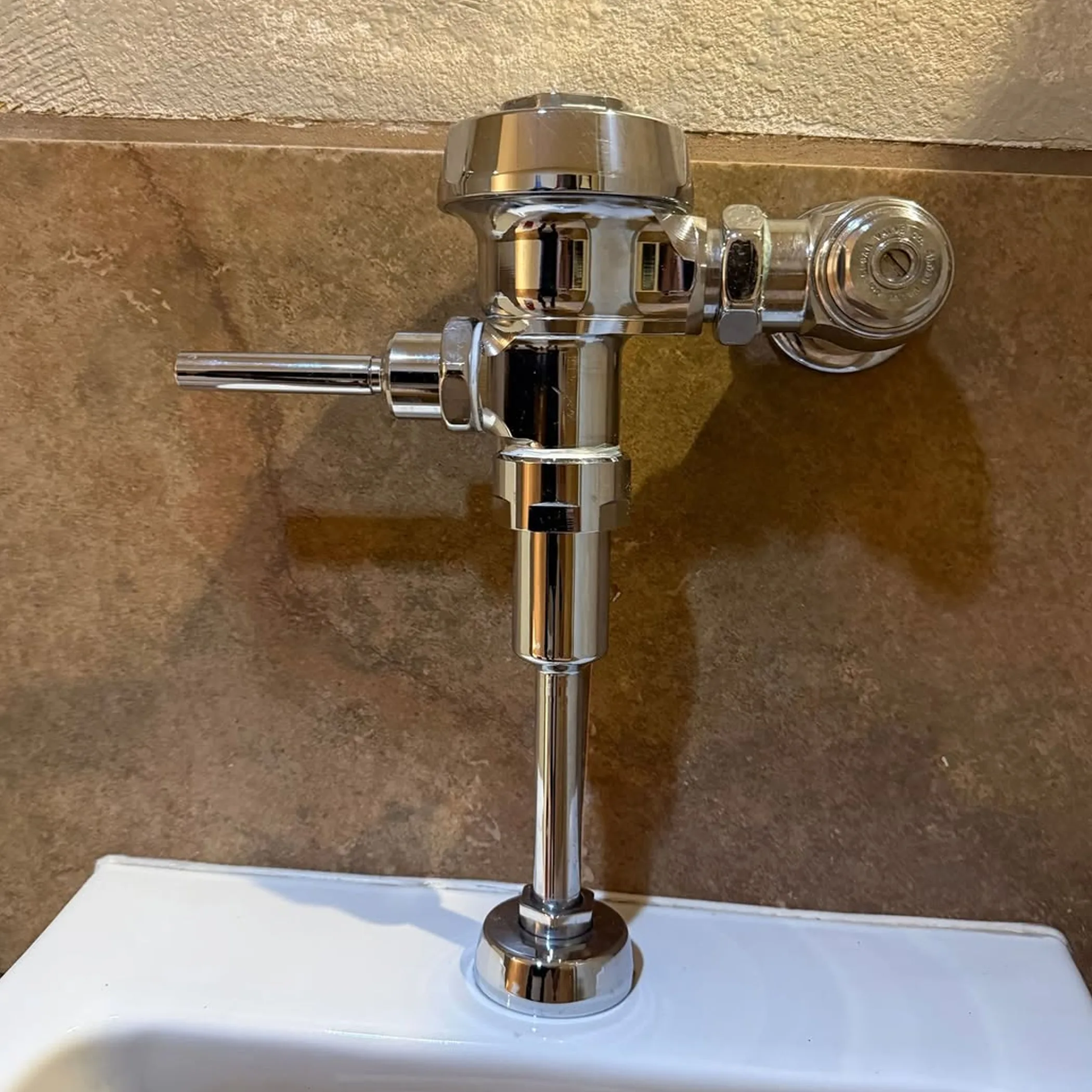
There is no point in parting with your money for some new gadget when your toilet is surreptitiously putting hundreds of litres in the drain every day. An audit of the house will tell you where the water is going.
Pick a morning when the dishwasher and washing machine are not in demand and read the meter. Make sure all taps and appliances are off for two hours or more and read it once more. Any difference means water is being used.
The Areas That Use The Most
Make a start in the laundry, kitchen and bathroom, with the outdoor irrigation. Put a check on the water meter before you go to bed and do so again in the morning before a tap is put on. If the reading has changed overnight you can be sure a pipe, valve or cistern wants looking at.
Jot down the model numbers of your appliances and see what the Water Rating labels say. Under the national WELS scheme a product is given a star rating and its water use in litres is stated, allowing like-for-like comparisons. The Water Rating website has more on the scheme and the labels.
As a checklist one need only examine the rainwater tank, irrigation controller and hose, the washing machine and dishwasher, shower fittings and the cistern. It is enough to occupy you without making of the laundry a laboratory.
Toilets And Taps
These fixtures see frequent use and can be wasteful. Good intentions are no substitute for fixing a faulty one or putting in an efficient replacement.
On the Water Rating label of a toilet you will find the litres per flush. Take a modern dual-flush for instance, 3/4.5 or 3/6 litres per flush are common but do not assume the button does the same on any model, performance is dependent on it.
Go With What Suits
The least expensive toilet is not necessarily the one to have if it is prone to blocking and repeated flushing. Have a look at the WELS star rating, the bowl design and what is required for installation, as well as the cistern compatibility and litres per flush.
An aerator is a cheap way to put some air in the stream from the tap. You want a low-flow type that still gets the soap off, not one that makes you wave at a poor trickle, so compare the litres per minute.
And put right a dripping tap. It may seem nothing to worry about but the water is running on. See to the isolation valve and the washers and give the aerator a clean up before you put in a call to a licensed plumber.
Laundry Appliances
When they are half empty a dishwasher or washing machine will take a lot of water. To find an appliance an Australian household can make do with you have to consider your habits and the capacity, not just the stars.
The label will show you the litres per cycle. Capacity is key, it has to be right for the number in the house and the bedding, a big machine is not efficient if you are always running small loads.
Full Loads Are Better
Put in a full load of washing if you can, though not so much that the clothes are packed in. An economy cycle will suffice for lightly soiled items, there is no need for extra rinses. Cold water saves energy but the machine’s litres per cycle is the deciding factor for water.
If you load it properly a dishwasher will put less water through than you would by filling and rinsing the sink over and over. Scrape the plates instead of rinsing them at the tap and let the machine get to capacity before you put it on an economy cycle. The pre-rinse is where one is apt to be taken in. It has an air of tidiness about it yet the water is gone before the dishwasher is turned on. A good scrape of food into the compost or bin will do. As for fats and oils or sizeable scraps, leave them out of the sink; they are a plumbing issue in all but name.
Cut Kitchen And Laundry Waste
There are a host of short order tasks in the kitchen that account for water use: thawing food, cleaning the bench, running the kettle, washing up and rinsing off vegetables. In themselves they are not much, but you will find the litres mount up with repetition.
Put a jug of drinking water in the fridge so as not to have to let the tap run to get it cold. Vegetables can be washed in a bowl and the water put to use on garden plants provided there is no salt or detergent in it.
Control Everyday Routines
Fill the kettle only for as many cups as are needed, an economy in both energy and water. If you are boiling vegetables, cover them with water and no more, or steam them if you can.
In the laundry room, make sure hose connections are sound and give the floor a look over after a cycle. You may not notice at first, but a leak behind the machine will see to it that your cabinetry and flooring are damaged. See that the appliance is level to prevent vibration from working the connections loose.
Do not be in the habit of putting paint, harsh cleaners, chemicals or oils on the ground or in stormwater drains. Greywater requires some care and is not to be confused with any old household water; there are times when local sanction is called for. Heed council and state advice before you put greywater outside.
Find And Fix Hidden Leaks
One of the quickest ways to put a dent in household water consumption is to put a stop to leaks. They are easy to overlook, particularly in a toilet or behind a wall or under paving.
A cistern can be checked with a couple of drops of food dye; do not flush and just wait. Should you see colour in the bowl, it is leaking. Put the cistern in order if there is sediment, and have a look at the flapper, the overflow and inlet valve. If the problem is not plain to see, call a plumber to put in new parts.
Use The Meter Test
With every appliance and tap shut off, put the meter under observation and have someone refrain from using the toilet. Take down the reading and come back to it in 30 minutes or so. Any movement on the meter is an indication of flow.
The numbers can be rude. Left to itself a minute’s worth of a litre will become 60 in an hour, 1,440 in a day and well over half a million in a year. At five litres a minute the daily total is 7,200. The actual flow may be less or fitful, but such figures put a “tiny” leak in perspective.
Have a licensed plumber look at it if the meter is moving and nothing is on. But do not go to town with the spade in the yard; an underground pipe can make a weekend of what should be a simple matter.
Save Water In The Garden

Hot and dry conditions will have a garden going through more water than one might think. A sensible approach is to have the right plants and soil and irrigate in such a way as to get the water to the roots.
Time it for the morning or evening when evaporation is not as great as in the heat of the day and do not try to water in a strong wind or the spray will be lost. Observe whatever restrictions and advice the council has in place.
Improve Soil And Irrigation
Mulch is good for moderating the temperature of the soil and curbing evaporation, but put it at a distance from trunks and stems and top it up when it thins out. Compost will put some structure in the soil, so long as it is right for the locality and the plants.
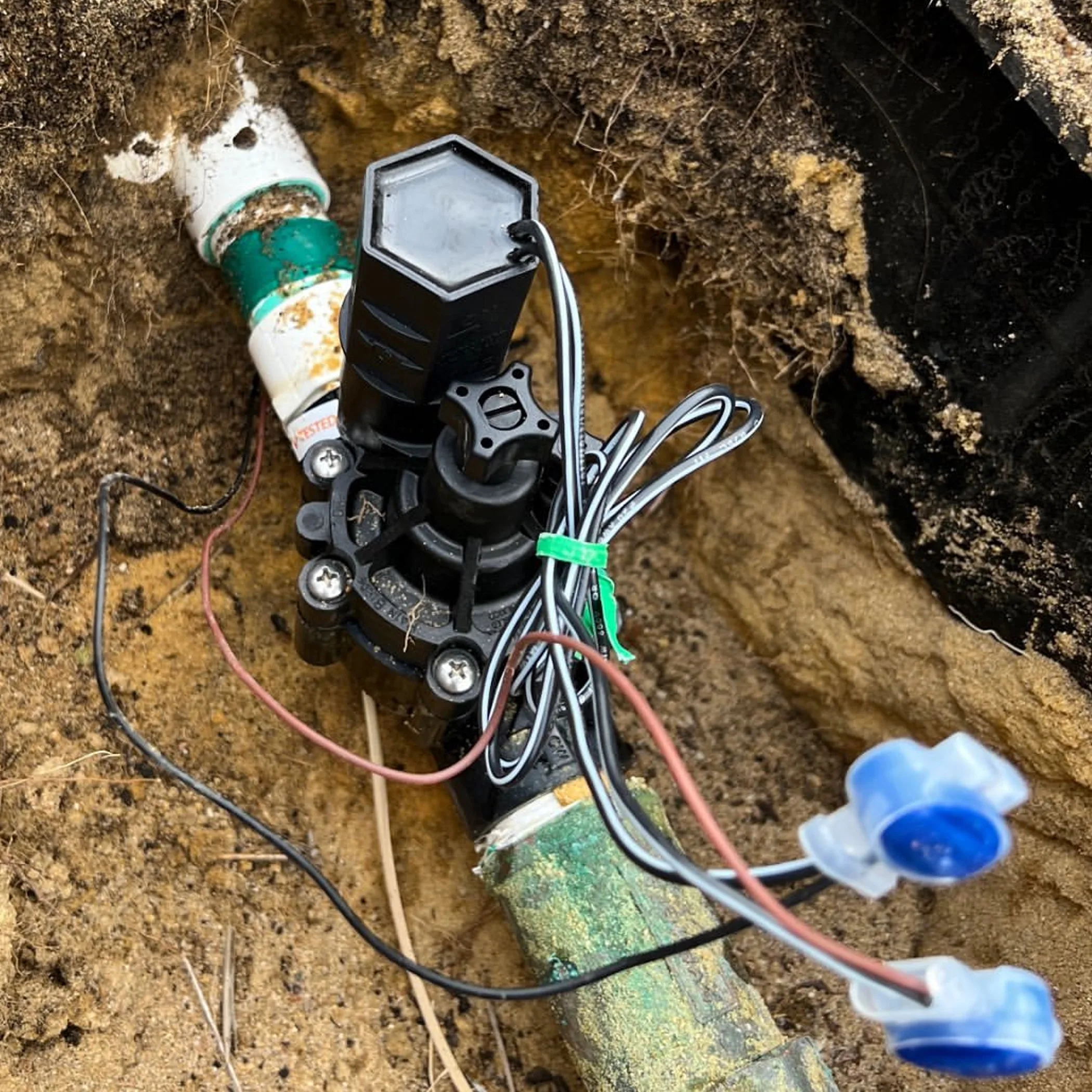
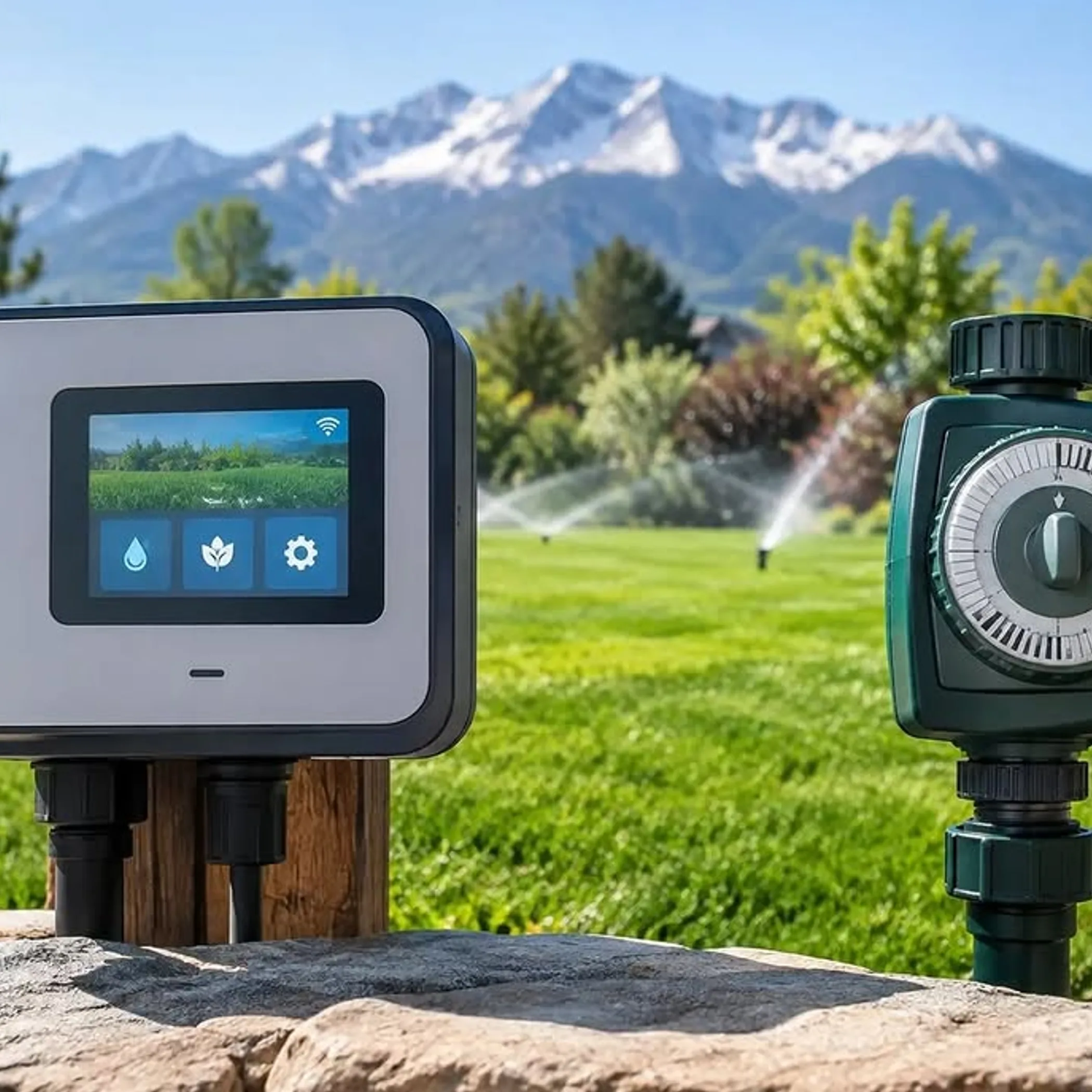
A smart irrigation system will alter its schedule on the basis of rainfall or moisture in the soil, and drip lines put water right where it is wanted. Only if the controller is properly set will it be of any use, else you have a clever means of watering in the rain.
While the irrigation is on, check for overspray, pooling or emitters that are blocked. A broom will do for the driveway and paths rather than the hose. For the car a bucket or trigger nozzle is better than leaving a hose unattended.
If you want to make some headway in a day, attend to a sprinkler that is not aimed well, a fitting on the irrigation that is leaking or the parched earth round your established plants. There is more value in these quick, visible fixes than in changing out all the plants.
Safely Harvesting Rainwater
For Australian households a rainwater system is a way to put less strain on mains water, be it for the laundry, flushing or garden use where appropriate. It puts roof runoff to work that would have made its way into the stormwater drains and gutters.
The key to a good rainwater tank is one of proportion; it should be commensurate with the roof area, space at hand, what the garden requires and the rainfall you can expect. A large tank is an expense and will take up room where you might need access, a small one will run out in no time with a big garden. And before you make any connections to indoor fixtures, see what the local plumbing rules are.
Wise Use of What Is Stored
Make sure the tank inlets, screens, leaf guards and gutters are all in order. Put in place the right kind of filtration and upkeep as the initial roof runoff will bring with it dust and bird droppings among other things. Lids must be secured and the overflow path inspected to keep mosquitoes out.
One should not think of rainwater as something to drink. To make it potable calls for a system that has been designed and treated to ward off contamination. On a property with bushfire risk the water in the tank is part of your emergency plan.
Greywater has its place in the garden but the salts, detergents and pathogens present can be bad for people and plants alike. Do not let it pool or come in contact with anything you intend to eat. Rules vary from council to council and across states so do your homework.
What Australians Do
Water conservation in Australia is a matter of the house, the soil, the climate and any restrictions in place. The demands on a garden in a Melbourne detached home are not the same as for a Sydney apartment, and in Cairns there is the question of tropical growth and high humidity to contend with.
Melbourne Water will have the information on drought planning and water use. In Sydney the water authority and local council are the ones to consult prior to any plumbing or irrigation changes. Rebate programmes and restrictions have a habit of changing so verify the details before parting with cash.
Seasonal And Property Considerations
Wind and dry weather will put stress on plants in Melbourne even in the cooler months when the garden is not as thirsty. Sudden storms and heat in Sydney can lead to a round of overwatering and then runoff. Up in northern Queensland the wet and dry seasons mean timing is everything; during the deluge the garden wants little help but in the dry you have to be more deliberate.
Tenants can make some reversible moves: shorter runs on the irrigation, a full load in the machine, reporting a leak, putting down mulch in a portable bed or fitting aerators. An owner might look at reconfiguring the garden, a new tank or some plumbing.
Then there is the matter of access. The stop tap, the meter, the cistern, the tank inlet and controller should be at hand. You do not want a plumber having to put a shed back together or move six pot plants he has taken to calling Kevin to get at a valve.
Questions That Get Asked

It is usually a case of how much water a product is going to consume and if the household will put it to proper use. A label or the meter will tell you more than some claim on the box.
Beyond the short shower, how to save at home?
Collect rainwater where you can, fix the taps and toilets, put in aerators, give dishes a scrape rather than a pre-rinse and run full loads. Test the meter to find out what will make a difference in your home.
Australia’s most efficient appliances?
There is no one appliance to rule them all. Go by the WELS star rating and the litres per cycle or use, and the capacity and settings you will be using. A top rated washing machine of a certain size is only wasting water if you put in half a load.
A dual-flush toilet’s consumption?
3 litres for a half flush, 4.5 or 6 for a full one is typical but it is the model. The manufacturer or WELS label will give you the precise figures.
Is the cistern leaking?
Put some food dye in and leave it. If you see colour in the bowl you have a leak. Alternatively put the water meter to the test and see if it is moving while nothing is being used.
When to water in Australia?
The morning or evening is more efficient, evaporation being lower than in the height of the day. Adjust after a rain and mind the wind and local rules.
Are tanks worth the trouble?
If the demand, tank size and rainfall are in line they are. They suit a well thought out system for the toilet or garden. Factor in the plumbing regulations, maintenance and mosquito protection.
In the kitchen and laundry?
Match the kettle to the number of cups, use economy cycles, wash in a bowl and put the hose on the washing machine right. It keeps the waste down without turning the kitchen into a chore.
What does the WELS star rating mean?
The WELS star rating is a comparison of efficiency in the category, and the label will show the consumption in litres. More stars is better as a rule but look at the litres too.
A Routine For Saving
You do not have to overhaul everything in a weekend to be water efficient. A cistern in repair, a garden suited to the climate and a dishwasher that is full are the stuff of ordinary decisions.
Have a look at the meter, put right the obvious leak, check the WELS and the garden schedule. Practical, measurable and it does not hurt the budget. Let water saving be as unremarkable as boiling the billy, not something to put off for a Saturday that never comes.