One could say the dry season conditions for the Great Barrier Reef are at their most dependable between April and October. Calmer seas and water of a comfortable temperature are to be had off the outer reef and around Cairns, with not much in the way of rain. June through October is when many make for the reef on account of better visibility and boat trips that are easier to handle, but then again the day will be dictated by whatever the wind, tides and local forecast have in store.
I am Noah Campbell and my time with the marine tours out of Cairns has taught me not to expect the reef to live up to the brochure. A fine forecast can be undone by a lumpy bit of ocean or a morning of clouds may well produce a fine snorkel. It is a matter of understanding the realities of the dry season and making your plans accordingly, not as if the reef were a swimming pool.
The Case For The Dry Season
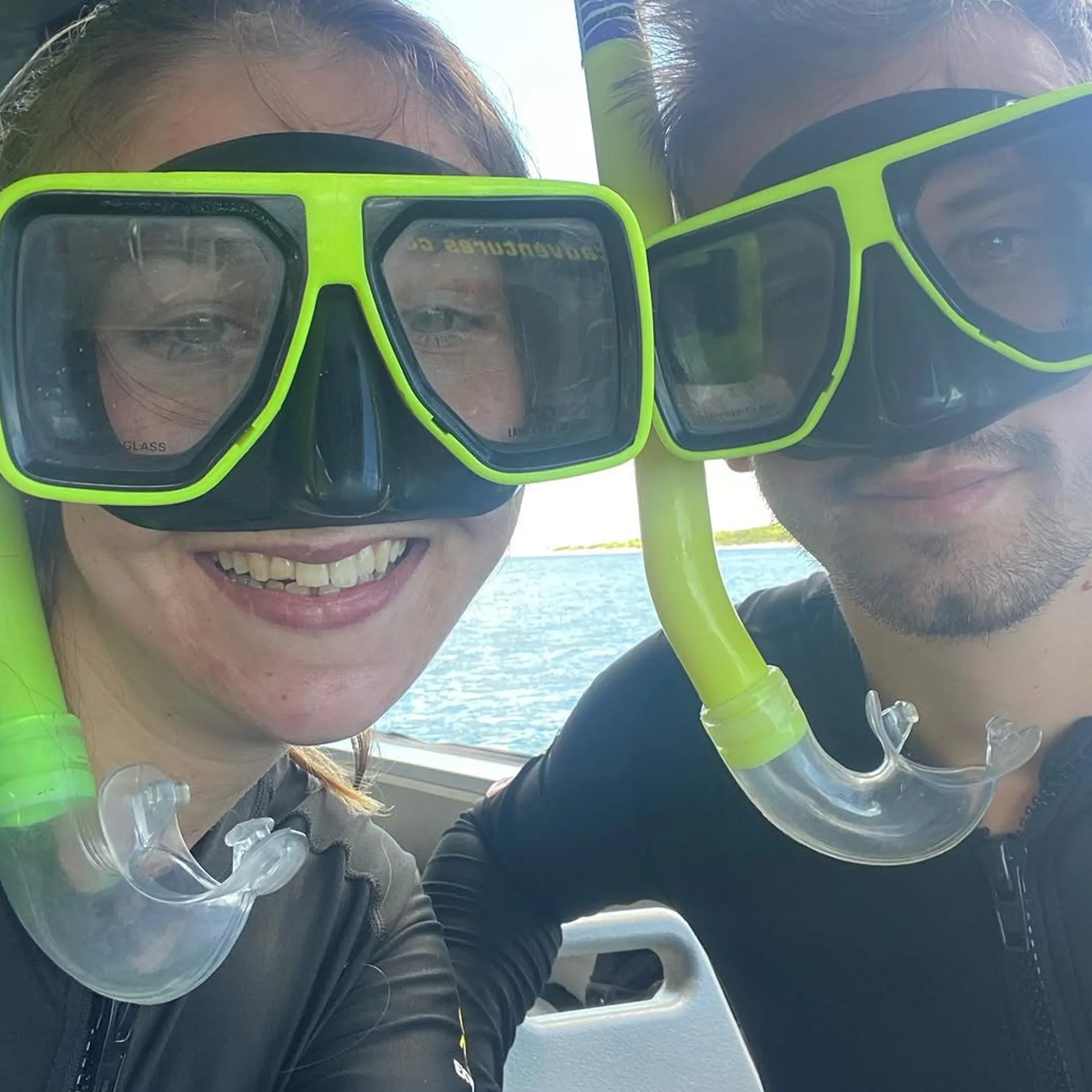
You will find more settled weather in Far North Queensland during the dry season. There is less of an oppressive humidity and rainfall is down, so one is more likely to come across long glassy water than in the wet months.
Travellers looking for a pleasant boat ride and some time in the water would do well to make the dry season their choice, making it the ideal snorkeling season. It is no sure thing for flat seas but it gives the tour operator workable days and the visitor a better chance of not having to hold on to the rail all morning.
How The Dry Makes A Difference
Rainfall is typically lower from April to October, though tropical weather is as changeable as ever. Fewer disruptions are the order of the day and the cooler nights and drier air are welcome when making an early start in Cairns.
Then there is the water. You will feel it is warmest in April and May; by June to August it can be a good deal cooler once the wind comes up or you have been at it for a while. Any tour worth its salt will put out some protective clothing if the situation warrants it.
When To Go
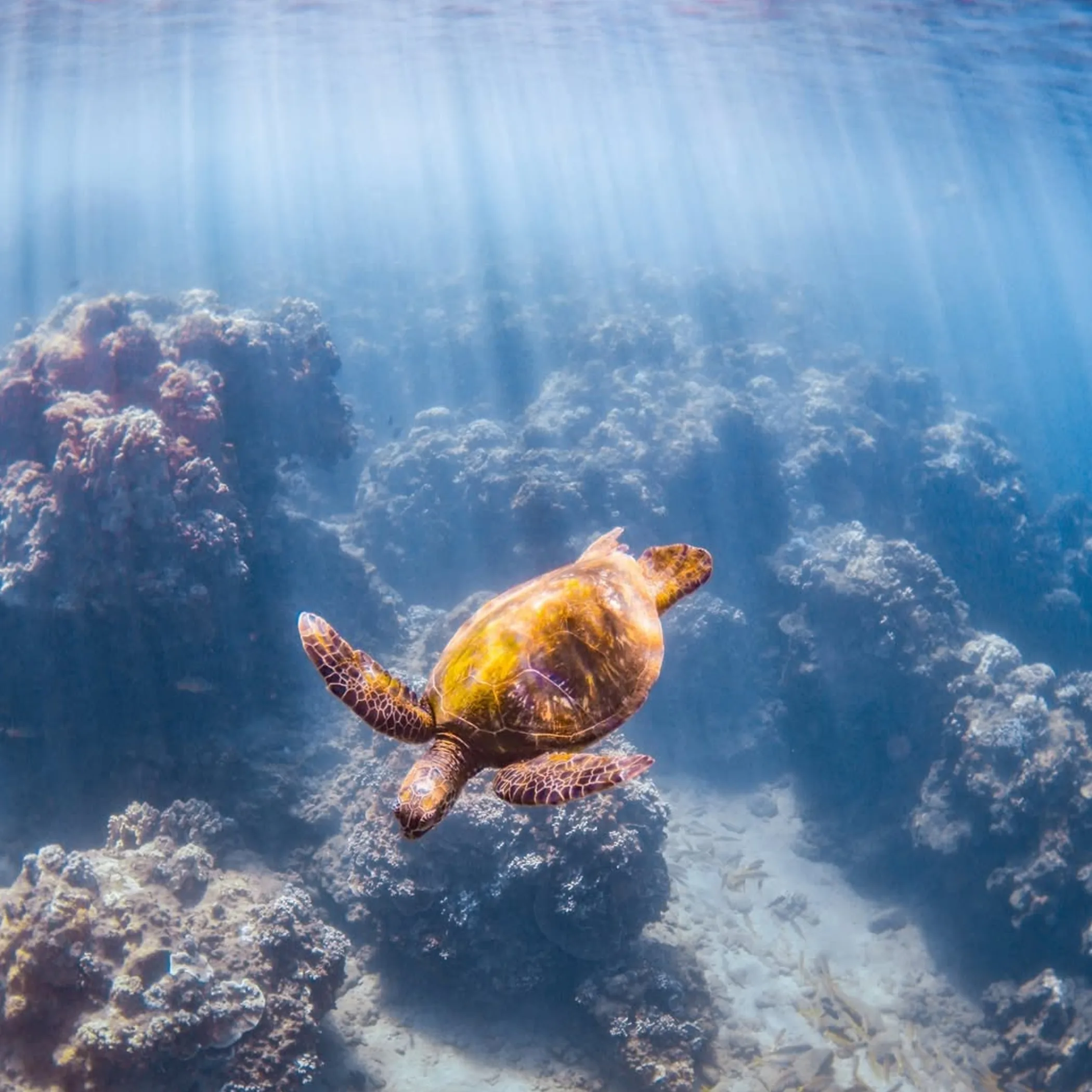
There is no month that is best at everything. If you are with family you might want the warmer water, a photographer will be after visibility and those inclined to seasickness will be more concerned with swell and wind than the date on the calendar. Some flexibility in booking is worth more than going after a week everyone says is perfect.
April – May
These two months are the bridge to the drier part of the year from the wet season. The water is comfortable and the marine life is up to its usual, yet the weather has a mind of its own. They are a good bet for warm swimming without the winter crowds, provided you have checked the forecast for any tropical low or cyclone activity on the Queensland coast.
June – October
For organising your snorkelling in Cairns with other outdoor pursuits, this is often the simplest time of year. The days are dry and bright and the humidity is not as much of an issue. The reef water in winter is not cold but it can be brisk to get out of. A stinger suit is protection and warmth in one, and you will soon consider a dry layer for the return boat trip a necessity rather than a luxury.
Visibility And Temperature
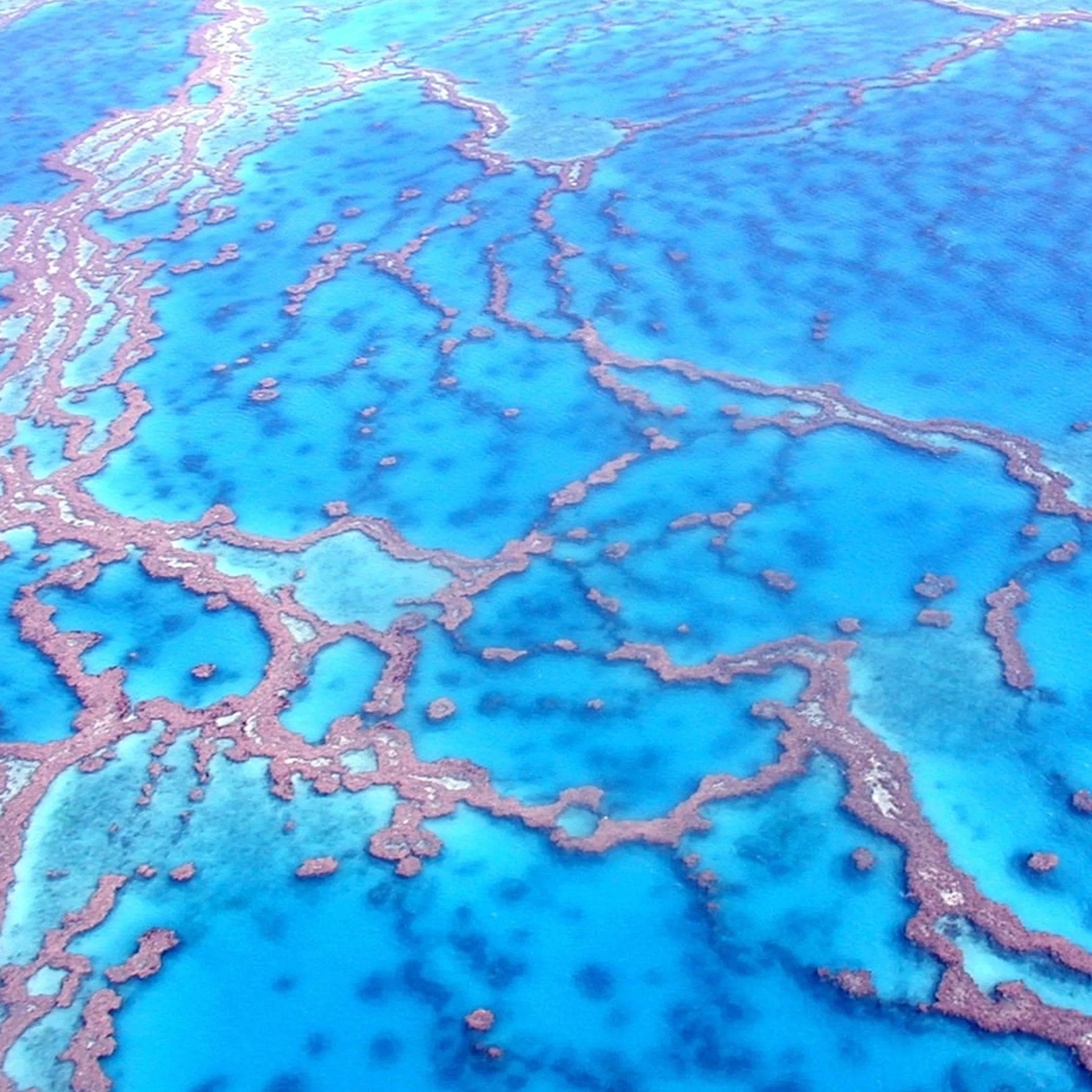
Both have a bearing on the quality of the experience. Rain, currents, plankton, river run-off and where exactly the reef is located will determine visibility, so two sites in close proximity can be quite different. The outer reef is clearer for being some distance from land-based run-off but do not assume it will be crystal clear every time. Nature does not make such guarantees.
Seasonal Conditions
Take the numbers below as a guide for planning, nothing more. In the end the local operators will decide on the site based on safety and what the latest marine conditions and forecast show.
Season or period: April to MayTypical planning pattern: The weather and water are on the upturn, with some wet-season influence from time to timeVisibility considerations: Visibility is generally good though one should not rule out an effect from recent rain at coastal sitesBest suited to: A sound option for those who put a premium on warm swimming
Season or period: June to AugustTypical planning pattern: Expect less rain and cooler air, if not a bit of windVisibility considerations: When the swell and wind are down you will find conditions to your likingBest suited to: Travellers in search of a drier, more temperate tour
Season or period: September to OctoberTypical planning pattern: Dry and warm, tending to get hotter as the period goes onVisibility considerations: The seas are usually calm enough for good visibilityBest suited to: A traveller with wider plans in Far North Queensland to mix in with some reef time
By way of a general guide, you can figure on the low to high 20s Celsius in the reef during the dry season; it is cooler in winter. Do not go by the temperature at your hotel when it comes to exposure protection, let the operator advise you.
Sea Conditions Around Cairns
With its transport links via the airport, a range of accommodation and regular marine departures, Cairns makes a sensible home base for the reef. For the most part the decision is whether to make a longer journey to an outer-reef pontoon or platform or a shorter hop to a nearby area.
One should not overlook travel time on the water. To a first-time snorkeller or anyone prone to seasickness an otherwise efficient looking tour can be trying in rough seas. Go for the departure and location that is right for you, not the lowest price.
Coastal Sites And Outer Reef
Logistics are simpler at a coastal reef and the boat transfer is not so long. That may be what is wanted by a family after an uncomplicated day or a visitor short on time. An outer-reef excursion means a longer transfer but you are put in clearer offshore water with more to see while you snorkel. Do not think “outer reef” is a talisman against the wind; it can be choppy going out.
Getting There And Back
From central accommodation in Cairns the marina is a short walk away or easily reached by taxi, rideshare or hotel shuttle. Some operators will have you transferred from certain hotels, others will expect you to present yourself at the marina to check in.
Make no plans for the evening after you are back. If the weather has the boat running behind schedule a firm dinner booking or a tight airport transfer is courting trouble. Put in some extra time for the safety talk and fitting out of equipment.
Pricing for a day tour is only indicative and will run to several hundred Australian dollars for an adult once you factor in the operator, any meals or transfers and so forth. Be sure to enquire as to what is covered and the terms for cancellation or a change in the weather before you book.
Marine Life In The Dry
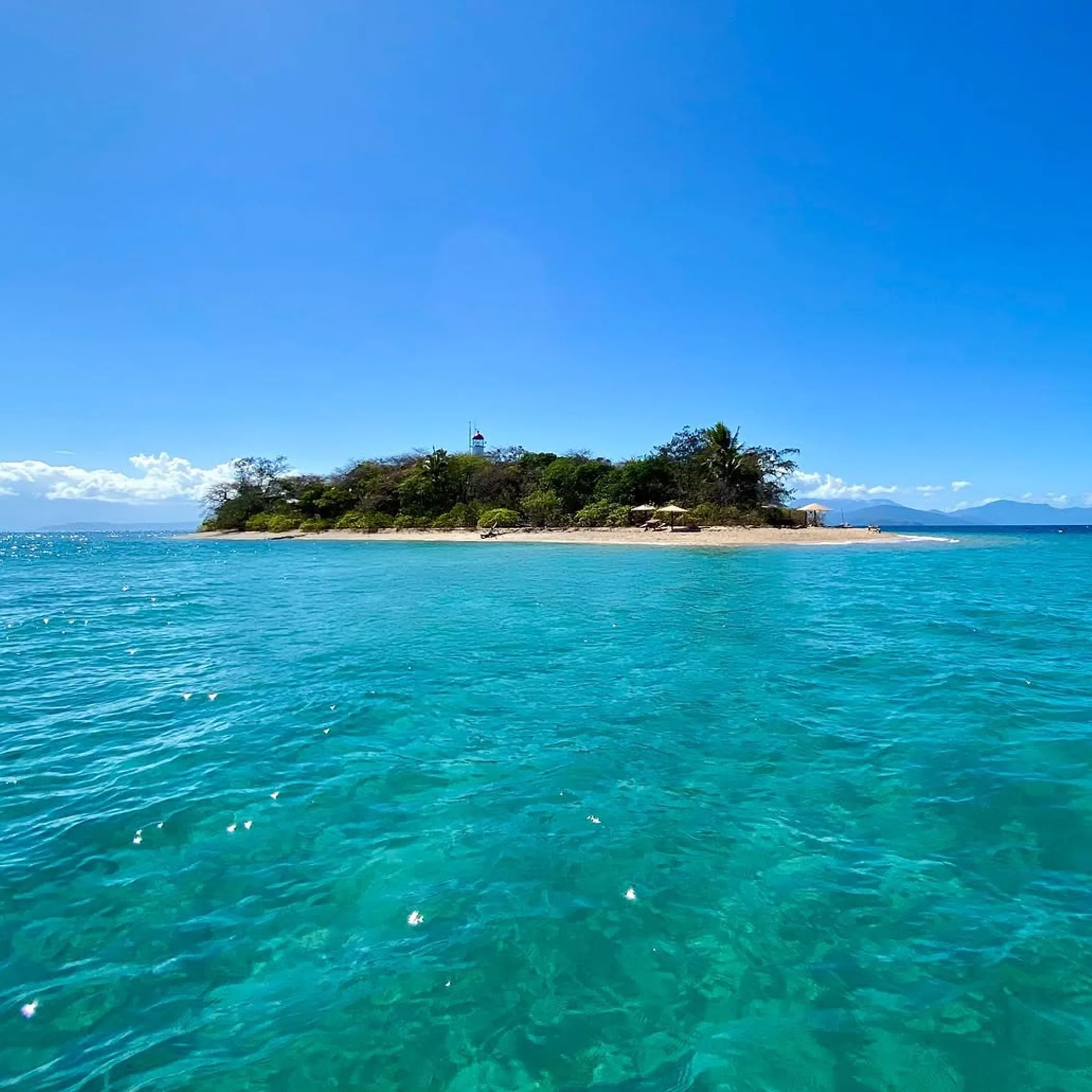
There are hard and soft corals, rays, turtles and reef fish to be had in the dry season. But it is the currents, the visibility and the animals themselves, not the calendar, that will determine your experience. In winter there is seasonal interest in some parts of the region, but a good guide will be realistic about what is to be seen at the site in question. A responsible operator will make clear how to observe without getting in an animal’s way or making contact.
What Most Visitors Get Wrong
It is easy to suppose the best snorkelling will be on the brightest of days. Yet light cloud takes the edge off the glare and a strong wind does little for your comfort or the water. What is clearest on land is not necessarily so below the surface.
Visibility is not something etched in stone. A site may be superb in the morning and hazy later come a change in current or some rain. Your guide is selecting a location for a reason, having read the conditions, not because the itinerary was overlooked.
Snorkelling: What To Pack
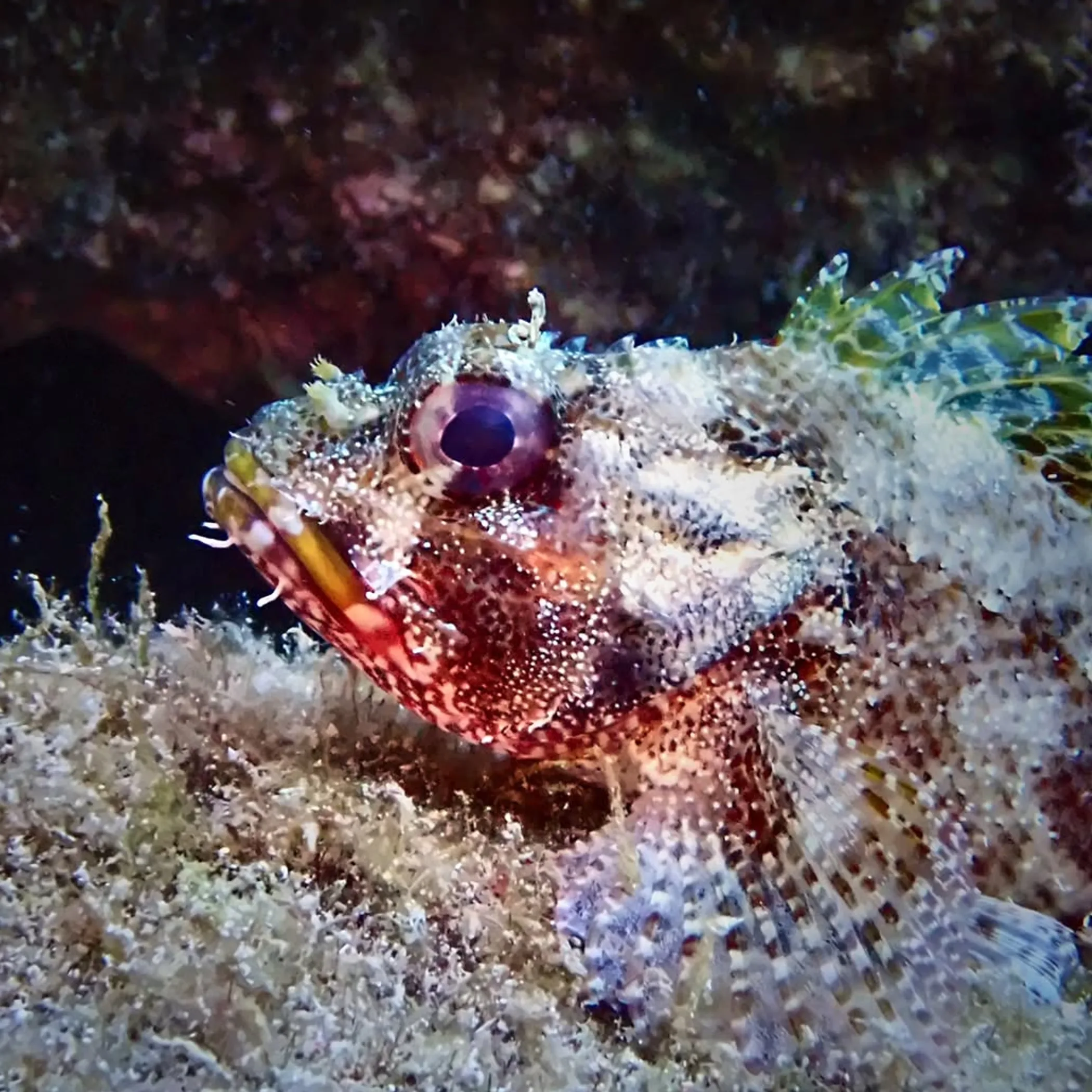
A little forethought spares you the minor aggravations of being offshore. You will want a hat, sunglasses and a long-sleeved piece for the sun and the ride back, along with reef-safe sun protection.
- Reef-safe sun protection, sunglasses, a hat and a long-sleeved layer.
- Swimsuit, towel, a refillable bottle and something dry to put on.
- If you need motion-sickness medicine take it as per the label prior to leaving the dock.
- Waterproofing for your phone is fine, provided you are adept with it in the water; otherwise leave the costly gear.
- And do not forget your prescription medication, identification and any medical details.
You will find that the better snorkelling tours have all the paraphernalia you need on hand: fins, a mask and snorkel, flotation gear. A stinger suit is often put at your disposal as well, be it for some added warmth or because it is jellyfish season. It is best to inquire in advance of departure if they have wetsuits, flotation vests or masks with prescription lenses.
Safety In Changing Weather
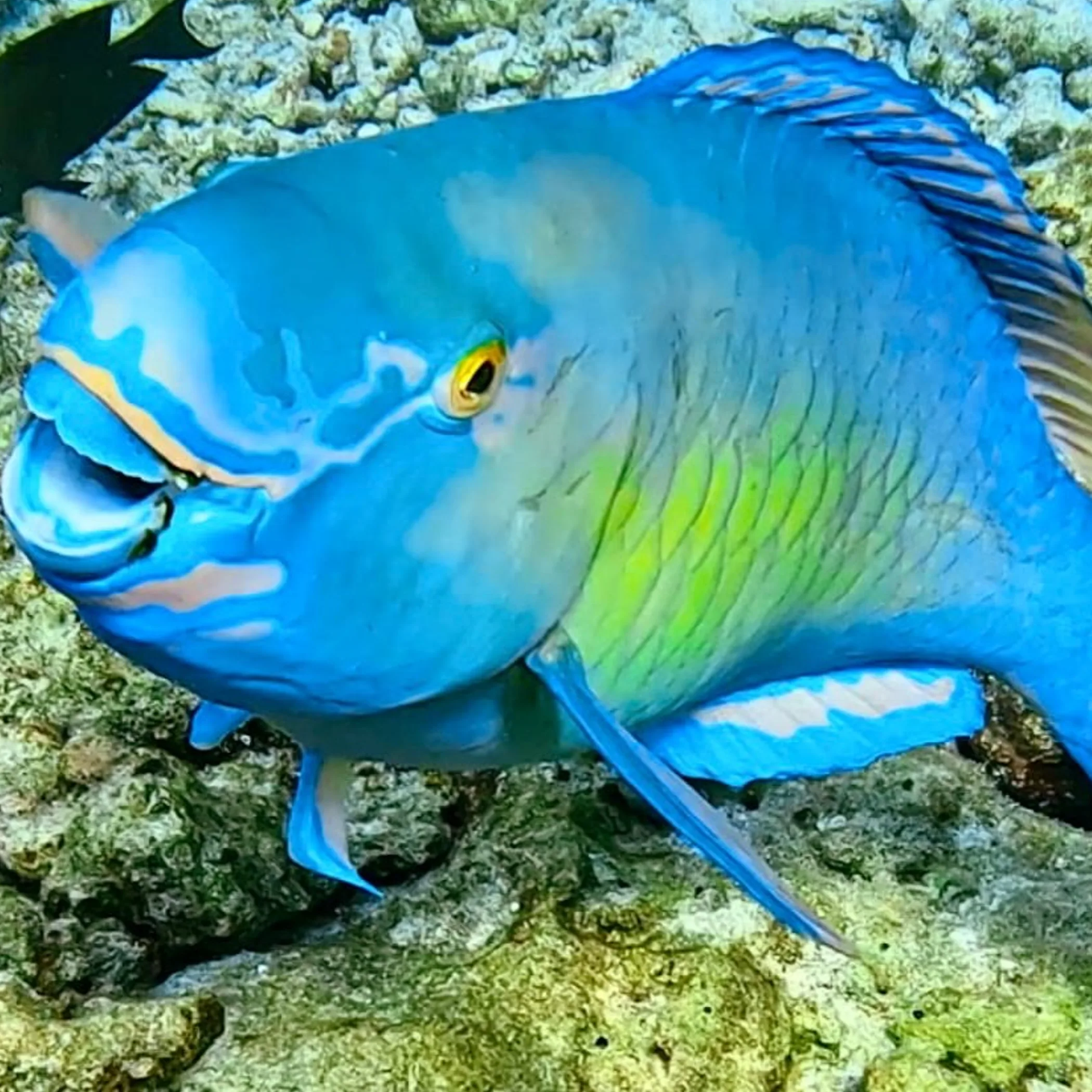
One should not think safety is a matter of the season alone. On any reef excursion there are wind, currents, swell, lightning and fatigue to contend with, not to mention one’s own aptitude for swimming. Heed the crew when they brief you and remain in the marked off areas; if something gives you pause, put it to a guide before it turns into a drama.
Tropical Queensland has its jellyfish season which cannot be ignored. A stinger suit will limit your exposure but is no guarantee against risk. Act on local counsel, keep your distance from marine life and do not hesitate to get help for a medical issue or a possible sting.
Who This Trip Is For
The dry-season offering is for the confident swimmer, the family with proper oversight, or those after a more orderly way to experience the marine environment. Beginners who can take direction are welcome too; most operators put out flotation aids and guide you so there is no reason to be left out.
Then again, anyone prone to bad seasickness, with an uncontrolled condition or a recent injury, or who lacks confidence in the water would do well to have a word with the operator prior to booking. There may be activities unsuited to the pregnant or infirm. A telephone call before parting with your money is preferable to finding out about such limitations at the marina.
Official Weather Checks
Make sure to see what the latest marine forecast has to say before you leave Cairns and abide by the operator should conditions warrant it. The Bureau of Meteorology in Cairns is an official source for local weather, but the tour operator will be making their own assessment en route.
- If you have one day: Go with a full-day tour of repute that has a flexible policy on the weather and includes your equipment and transfer.
- If you are a beginner: Beginners should make a guided snorkel with calm entry and some flotation support their first choice.
- If seas are rough: When the sea is up, do not let them put you on the spot to get in the water; ask about a protected site or a shorter transfer.
- If visibility is your priority: If visibility is what you are after, an outer-reef is an option though one has to put up with more swell on the longer boat run.
Expectation Versus Reality
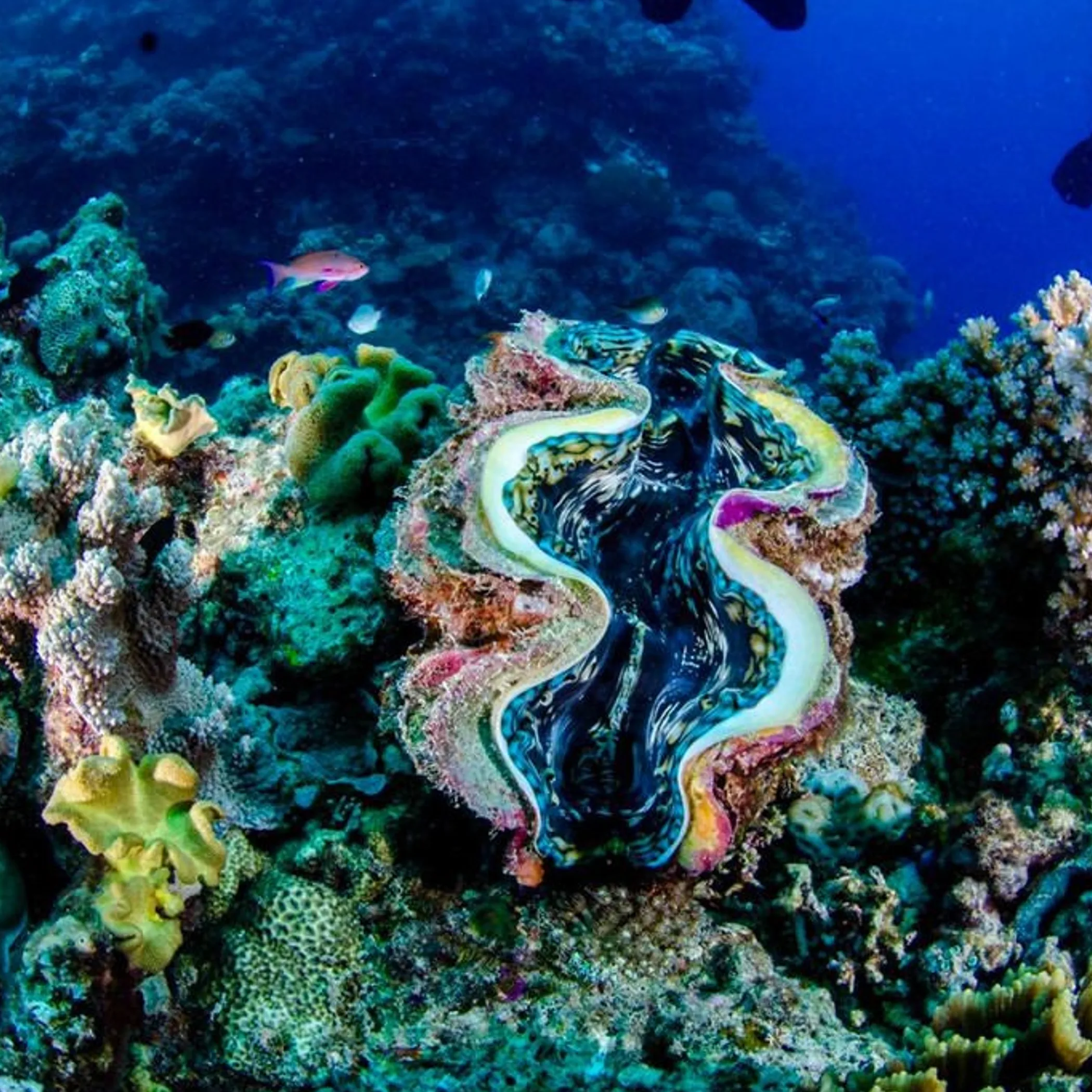
Expectation: You might expect a flat as a pancake day in the dry season.
Reality: In fact, while the odds of calm are better, the wind and changing currents are still there.
Expectation: June to October is warm enough in places.
Reality: But on the boat, particularly in the morning or after a swim, Cairns can feel cool.
Expectation: A reef tour will offer perfect visibility.
Reality: A good operator will not put on airs about perfect visibility on a reef tour; he will adapt to the tides, the rain and the like.
Great Barrier Reef Snorkelling FAQs
What kind of weather does the Great Barrier Reef in Australia have?
Around Cairns in the dry season you will encounter drier, less humid weather and a better prospect of boating conditions than in the wet. But rain and swell are not unknown, so check the forecast and what the operator says.
Where in Australia is the place to snorkel?
It is not a case of one size fits all. The Great Barrier Reef is hard to beat for access and variety but where you end up is a function of your budget, ability and what you want to see in the way of marine life. Give both the coastal and outer-reef options around Cairns a look.
Are there times you should not be snorkelling?
If the crew puts you off it, or you are under the weather, or the state of the water makes you uneasy, then do not. In jellyfish season, wear what the operator recommends and heed warnings.
Is the Great Barrier Reef in decline?
There are pressures on the reef from bleaching, heat stress, pollution and the odd storm. Yet that is no reason to think a visit is in vain or the site is devoid of life. Be respectful of the coral and the animals and patronise responsible tourism.
April to October – is it always the time to go?
It is the most sensible window in a broad sense, with settled conditions and little rain. But the month you pick will be down to the forecast, the cost and how you like the water temperature.
Plan Around Conditions
Flexibility is key to making the most of the Great Barrier Reef. June to October is a dependable dry-season pattern for most, April and May will be warmer as you come off the wet season.
Do your booking, pack for the sun and a cool ride back, and once offshore the crew is to be listened to. You get to the reef prepared and croc-wise, and let the reef do the rest.