The 2026 standards for skate park safety in Australia rest on a number of pillars: sound design and construction, the management of risk, upkeep and an expectation of sensible conduct from the rider. AS EN 14974:2021 is the principal design document for skateparks, with local council policies, state level guidance, manufacturer data and building requirements to back it up.
One should not assume there is a single rulebook that all parks adhere to across the country. While AS EN 14974:2021 is a technical standard of note, what is legally incumbent on a given facility will be a function of ownership, any contracts in place, planning or public liability and the law of the state or territory. In my experience with outdoor safety over the years these unassuming details are what count; a bolt out of place, a sign in the wrong spot or a damp surface can put an end to a good session in no time. I am Noah Campbell.
The 2026 Safety Framework in Australia
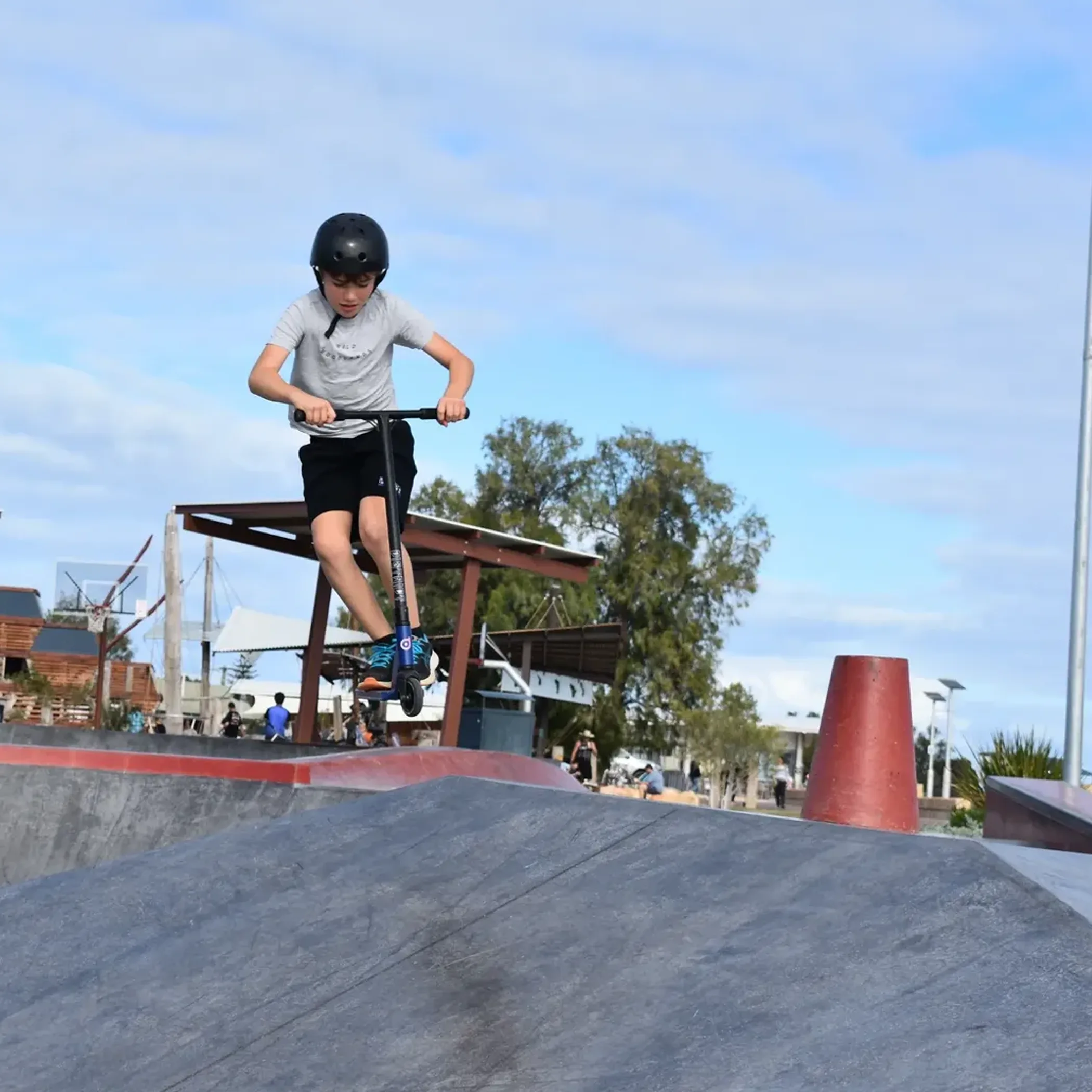
There are multiple layers of control at a well run skate facility. The physical one is obvious: the ramps, the deck, transitions and rails, the quality of the surface, lighting and drainage. Then you have operational matters like supervision, how incidents are reported, repairs and inspections. Rider behaviour and the wearing of protective gear form the third layer. Together, these elements support community skate facility care.
It is a common error to view a standard as the whole of the legal picture. It is not. Councils must still do their own hazard identification at site and respond to risks they can foresee in the users they draw to them. A standard provides a baseline, but judgement cannot be dispensed with.
Legal Requirement As Opposed To Standard
Compliance with a standard is voluntary in most cases, save where a contract, legislation or some other instrument such as a development approval dictates otherwise. Operators and councils would be well advised to put their regulators, insurers and legal team in the picture to verify what is required.
With work of a building nature the Australian Building Code can come into play for things like electrical, access, drainage and associated structures. How this is applied is a matter for the project. One does not simply put a skate bowl in the same category as a building, so the team ought to determine the approval route at an early stage.
AS EN 14974:2021
This is the Australian version of the European framework for facilities used in wheeled sports, be it with a skateboard, BMX, scooter or the like. You may find the EN 14974:2019 in older specs, but make sure your project documents call out the edition in question.
The standard is concerned with the way a user comes to terms with the facility, looking at impacts, falls, entrapment, sharp edges and the like in the course of planning, testing and marking. It is highly technical and councils should put a designer, engineer or specialist contractor with the right experience to it instead of making a cursory visual inspection.
On Testing and Marking
These are means of verifying that riding surfaces and components are up to spec. The manufacturer will put forward information on materials, load limits and when to inspect and maintain. Retain the records for when an incident calls for an inquiry or a part has to be put in.
Do not let a product certificate for a ramp stand in for the safety of the whole park. The concrete, the layout, the paths around it and the connections all warrant an assessment of their own.
Design To Mitigate Harm
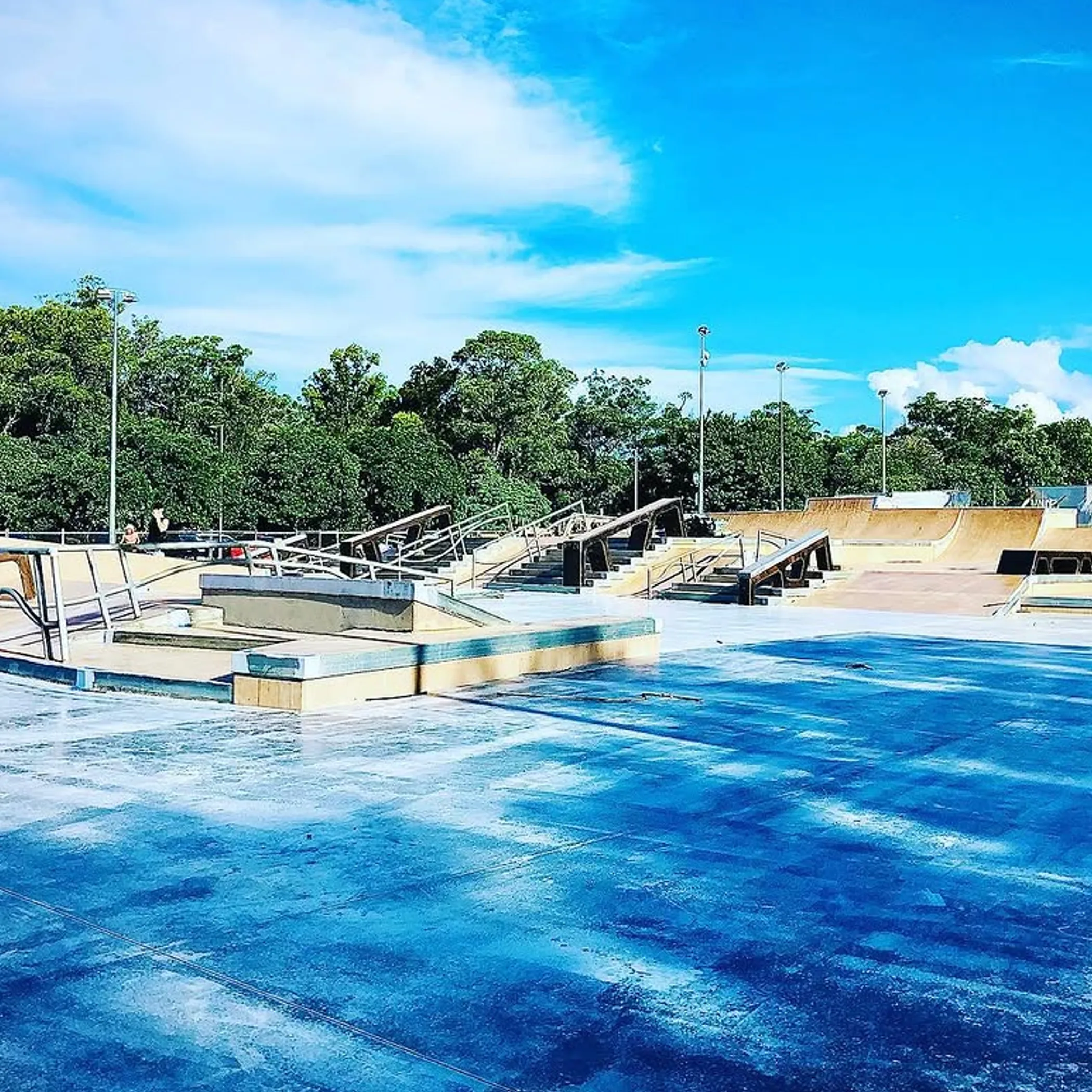
A well designed park allows for recovery if a trick does not go to plan and affords the rider a measure of predictability. You cannot take away every fall, it is inherent to the sport. What you can do is see off the hazards that make a routine error something more serious.
In the field I have found the surprises to be the small defects that are overlooked or put down to someone else to report rather than anything dramatic. That kind of discipline is called for in a skate facility.
Edges, Fall Heights And Transitions
An experienced BMX rider and a novice on a skateboard are not the same, and the feature should reflect the ability of the user. Designers have to factor in speed, visibility and approach lines, keeping conflicting ones apart and blind approaches to a minimum.
Rails, ledges and coping require the proper geometry and to be put in securely. Exposed fixings, a gap one does not expect or an unsteady handrail are invitations for injury. Barriers and handrails should be looked at to ensure they do not present a climbing or collision risk.
Concrete, Drainage and Lighting
One does not put concrete in a skate park or install drainage for the look of it; these are matters of safety. A pool of standing water is an invitation to slip, will hasten the surface’s decline and can conceal cracks or other debris. And when there is poor fall-off, roughness, staining or an abrupt change in texture, it is only a question of time before it interferes with one’s balance and wheels.
The concrete on offer should be of a uniform quality, with proper transitions and edges. Water from the ground around the riding zone has to be shed without presenting a new hazard to trip over. As for lighting, it must afford good visibility of the approaches and landings and any access routes, but not at the expense of a glare that renders obstacles hard to see.
Arrival, Parking and Access
Safety is in place long before the first push. The council’s project details or facility page will have the particulars on entrance, hours, parking, what is accessible, where the toilets are and how the lighting is controlled. It would be unwise to take the closest car park as your point of entry; you may find a shortcut over some grass or a road to be as rough as guts after a rain.
If making a day of it, factor in the travelling and parking and have a look round the site so as to be gone before the weather or the light turns against you. One can walk, cycle or use public transport to avoid the congestion, yet the route in still has to be kept clear of vehicles. With a larger venue and children in tow, it is best to have a return plan in mind ahead of the session.
What Councils Are Required To Do
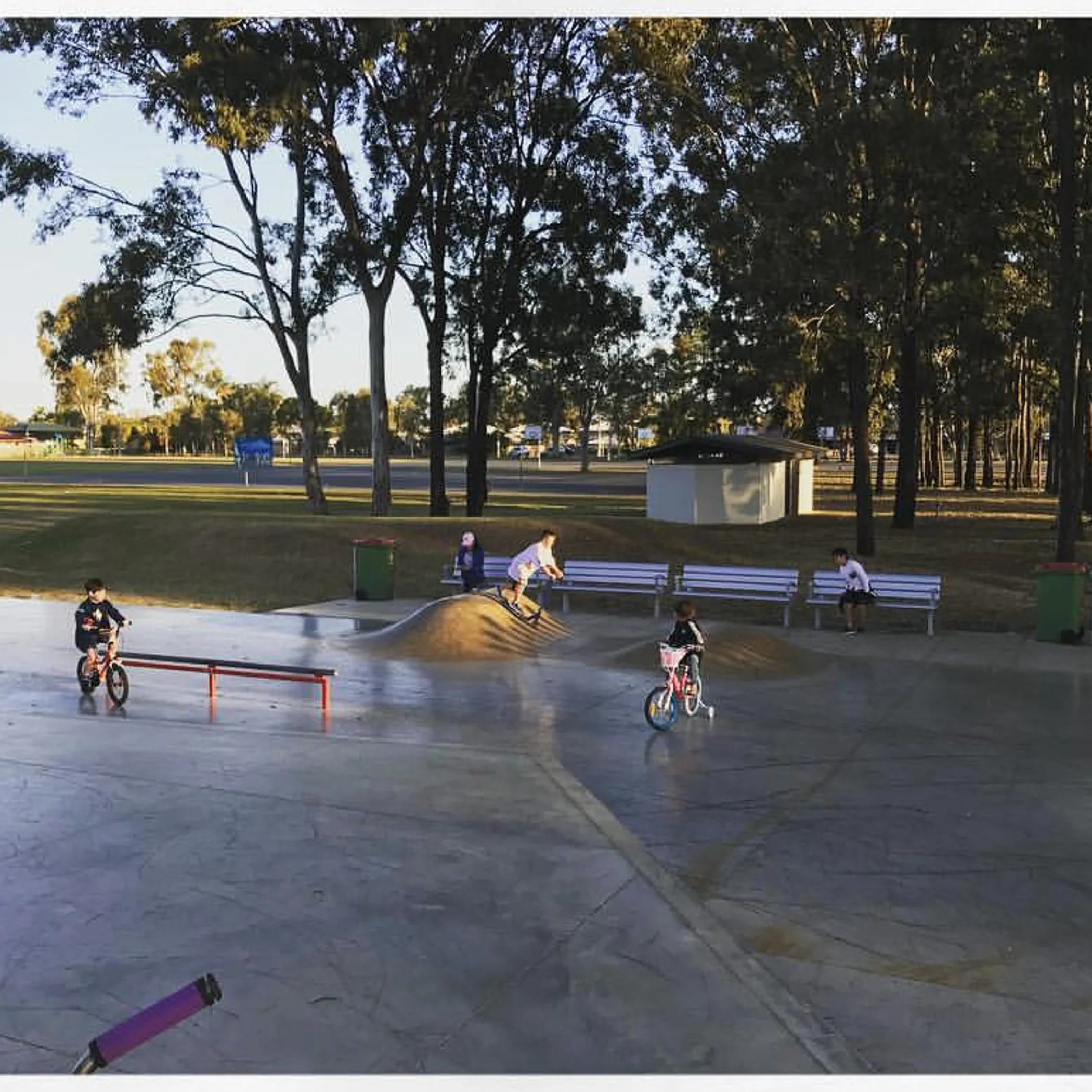
A sign and some poured concrete do not make for a safe skate park. Operators and local councils are expected to have a risk management process on paper for the park: to spot hazards, put controls in place and then verify they are doing their job. While the asset owner or operator bears the responsibility, contracts may apportion work to schools, clubs, facility managers and contractors. The operating model has to cover off-hours use by the public, vandalism, emergency contacts and when to close for the weather.
Hazard Identification and Risk Assessment
Any sensible risk assessment will take into account the conditions and who is using the site, from the BMX and scooter riders to skateboarders, the odd spectator, maintenance staff and those with a disability. Look for the possibility of falls, collisions, heat, impaired vision, equipment in disrepair or things finding their way into the riding area.
Then there is community consultation which can turn up what a review at a desk cannot. A parent might put you onto a blind spot by the gate or a rider will tell you of a patch that shows up at speed. Residents may have views on noise or informal access. Such evidence is valuable even if the onus of the final call on safety remains with the council.
Liability, Signs and Supervision
There is a place for signs to put users on notice of the code of conduct, age or skill warnings, opening conditions and what is not allowed, as well as how to get in touch in an emergency and the need for protective gear. They will not save a bad layout but they do allow for better decisions. Some parks are run as unsupervised public facilities and others are not; the council should be plain about it. Public liability insurance is a necessity but no replacement for a competent procurement or for tending to hazards. If you know of a risk, it is not much of a plan to leave it be because there is a sign.
Protective Gear and Rider Safety
Riders ought to have equipment to suit the feature, the conditions and their own ability. There is the helmet, but it is no magic bubble; working brakes, secure shoes and the room to ride without running into anyone are also called for.
As to helmet rules, state and territory law, location and the policy of the facility all come into play. The matter of skateboard helmet requirements in Australia is one to handle with care: check what the law is where you are and abide by the park’s rules. Councils are within their rights to be more exacting than the minimum.
Entering the Park
- Have a good look at the deck, rails, coping and transitions for anything amiss like broken glass, sand, leaves or loose parts.
- See that your fasteners, tyres, trucks, pedals, bars and grips are in order and your helmet is on.
- Warm up and go with the traffic, beginning with features you can handle.
- Put away the phone and drink bottles and keep them out of the way.
For a beginner or a child, a quiet time is a better introduction than a full house which can put pressure on a rider to try something before he has read the line. An experienced rider might do well to issue a word of warning to a newcomer who is not aware of the flow rather than put on a show of exasperation.
Mixed-Use Session Codes
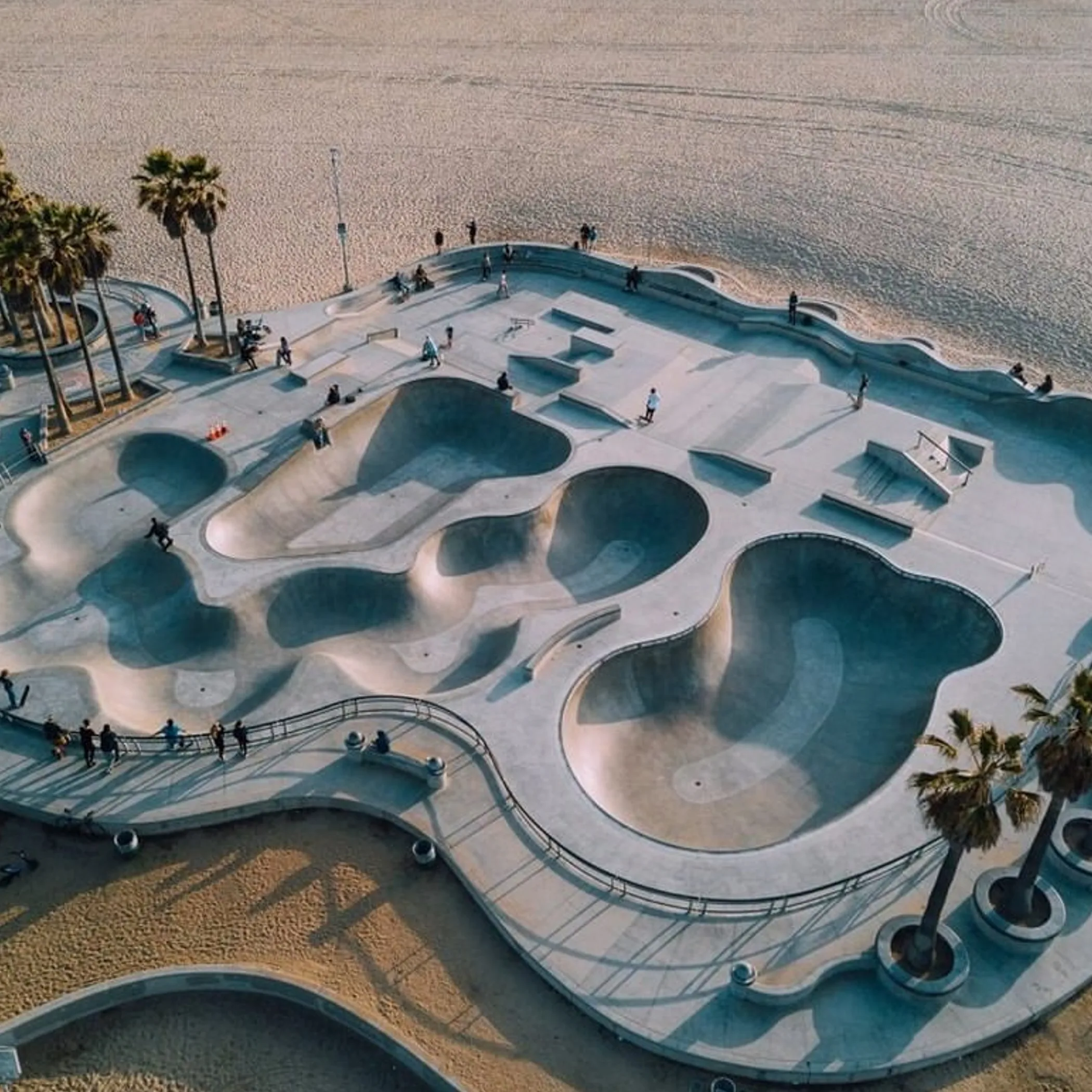
The code of conduct at a skate park must be one that accommodates scooters, BMX and skateboards in common areas. Predictability is the key to this: riders are to wait, make eye contact, put in a word if needed and only join a line when there is no danger. One should also have regard for how a feature is meant to be used and not impede a landing zone.
There is a difference in the way equipment performs; it dictates speed, how one turns and the distance required to come to a halt. A scooter will be quick over a compact feature whereas a BMX rider might want more run-up and a skateboarder a clear space to land. Courtesy is what keeps the risk of a collision or any other kind of surprise down, it is not some form of window dressing.
Rules of the Park
- Turn taking is expected, so wait your turn outside the active line.
- Ramps, run-ups and landings are not for sitting on or leaving one’s equipment.
- Give warning where called for and look before you drop in.
- When the park is being made good, cleaned or closed for wet weather or an emergency, do not be riding.
- Any hazards, damage to equipment or aggressive behaviour, as well as injuries, are to be reported to the contact on file.
For the beginner a skate park is generally fine provided there are low-risk spots with good sightlines and the odd quiet time to learn. But a first session is not the occasion for a steep bowl or a high-speed line in a busy street section. Nor should one be tempted to emulate an advanced trick just because another has made it seem effortless.
Inspection and Repairs
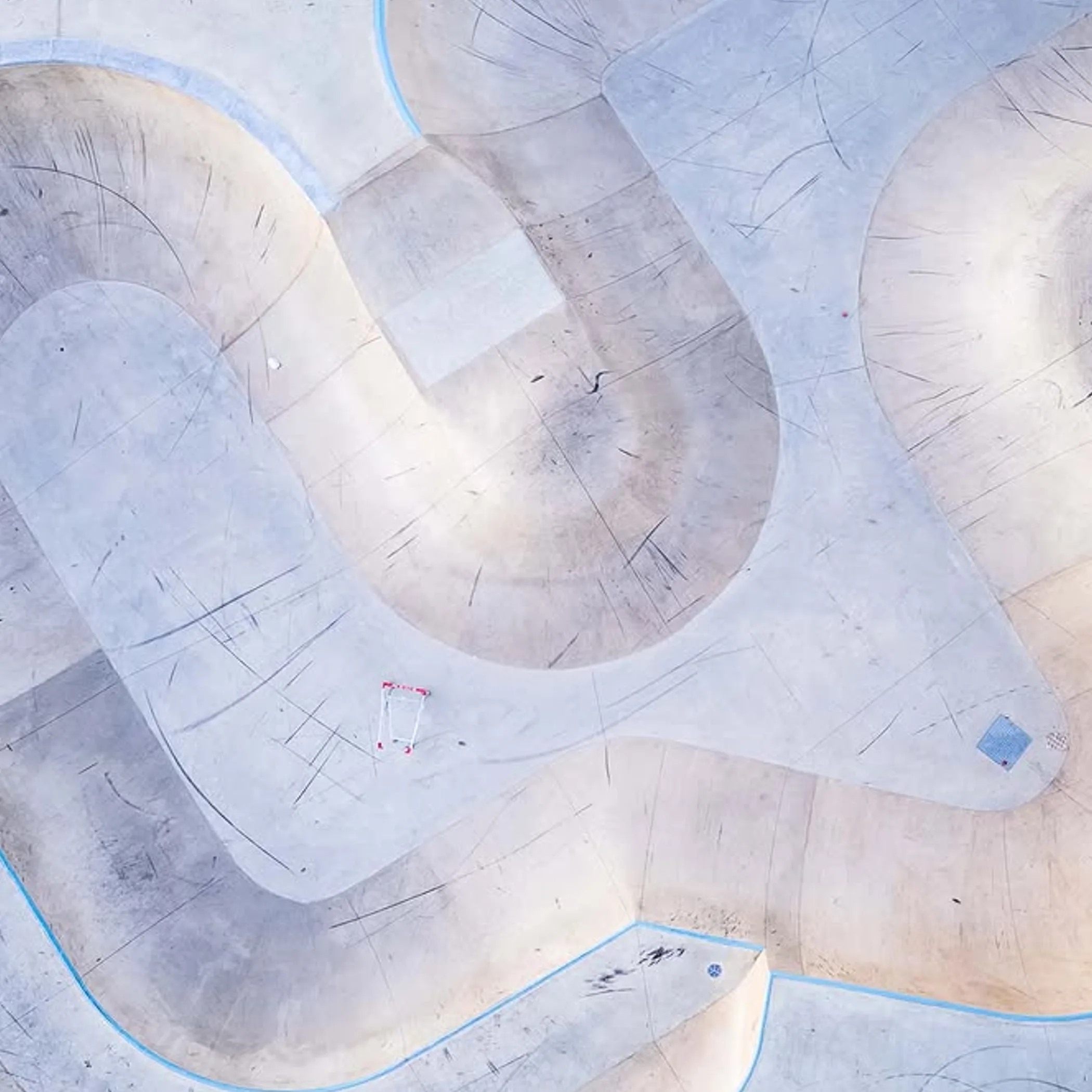
In Australia maintenance is a matter of both planned inspection and putting right what needs it. The schedule for this will take into account the material, drainage, vandalism, the trees in the vicinity and the weather, as well as how the park is used. You would not apply the same approach to a coastal facility that sees heavy use as to an inland park of modest size.
An inspection is recorded with photographs and a risk rating along with the date, weather and who is to see to any repairs. If a section is to be closed, physical control is in order. A piece of tape and a note will do for a short while but they are no substitute for a proper barrier in the case of a serious defect.
Dealing with a Crash or Complaint
An incident report is to be factual and not assign blame to the injured party. Put down the location, the feature and equipment involved, the conditions, any witnesses, first aid rendered and whether the area was closed off. Inspect without delay and hold on to the pertinent information; a hasty repair can put an end to a small defect or subsequent use may change it.
Do not discount repeated minor occurrences. Should three reports come in for the same slippery approach, even if the injuries were not severe, it could point to something amiss with the design, cleaning or drainage. In reviewing trends the paperwork becomes a means of prevention.
Guidance from State and Local Authorities
While the 2026 Australian skate park safety guidelines are informed by national standards, their application is a local matter. One may have to contend with additional stipulations from council asset policies, state guidelines or the like. There are entities such as the City of Melbourne, Skate Australia, RampFest or Skateramps Australia whose documents and roles are not the same, and which may be of use in looking up technical data or training.
Find out who is in charge of the site in question. A school in Queensland will be bound by education policy, a metropolitan park by its own rules on lighting and access and a private venue will have its entry requirements. Rely on the document the authority has put out, not an old post on social media or a screenshot.
Seasonal and Weather Considerations
From the Red Centre and Pilbara to the Top End and northern WA, rain and heat are a factor. The wet season can put a slickness on surfaces and bring drainage to light, while cyclone warnings in the November to April period may dictate closure. Then there is the extreme heat in the centre of the country to consider, where metal and concrete become hazardous and bushfire closures in summer can disrupt travel.
A check of the road conditions, any weather warning and the council notice is advisable before setting out. Storms can render a park unfit for use even if it is marked open on your map. Have some water, sun protection and a phone with charge on you. When in more out of the way parts of the country, the Stuart Highway or Gibb River Road are not to be regarded as an easy aside for a bit of skating; road conditions, lack of reception and fuel are what will concern you from a safety standpoint.
Planning Safer Community Facilities
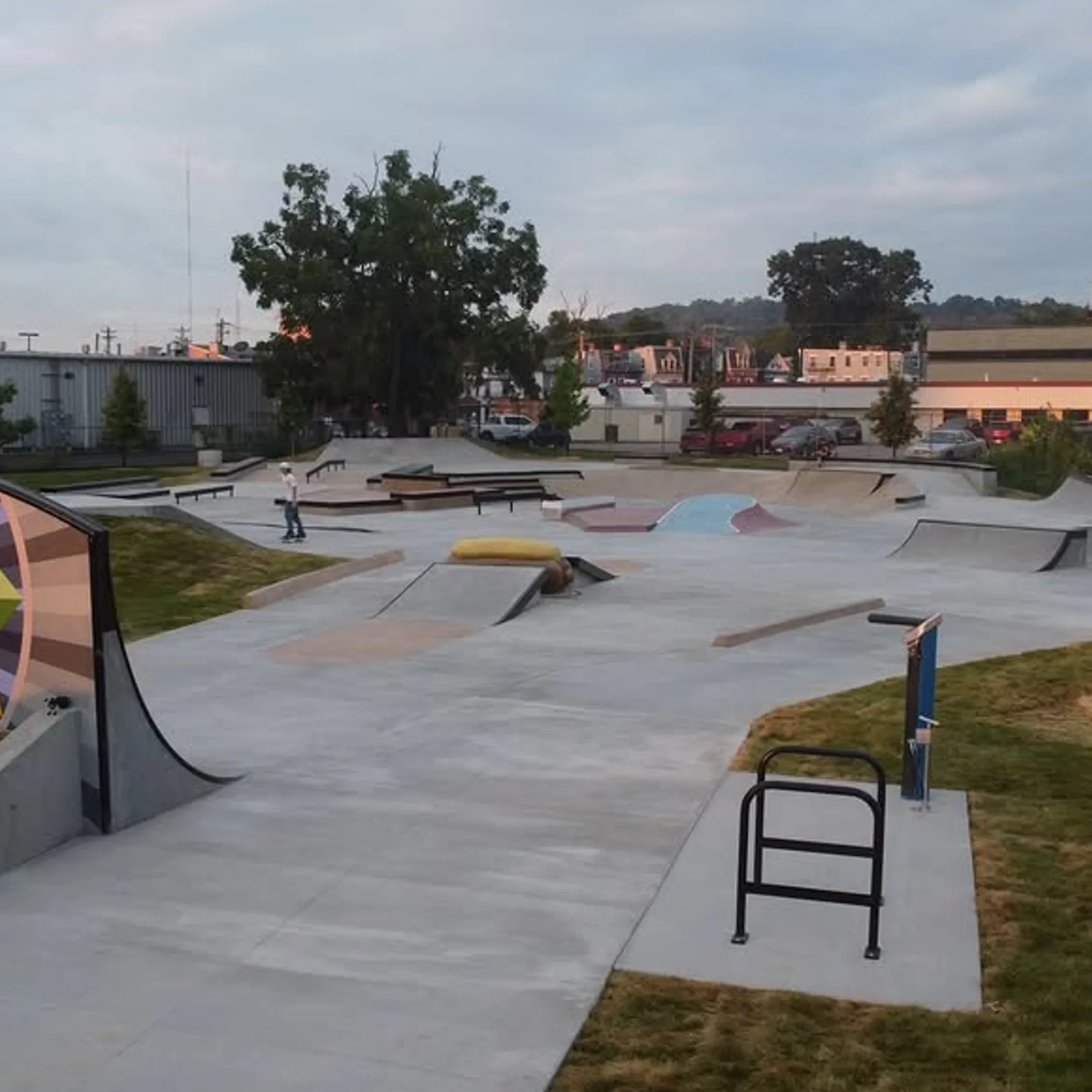
Any plan for a park ought to begin with its users rather than a mere inventory of features. From community input to the provision of shade, seating, toilets, drinking water, lighting and sensible maintenance, these are the things that make for a facility of enduring value and safety once it has opened. Accessible routes to the site are part of this too.
For councils there is no better process than one that ties design, construction, handover and operation together. The team needs to have at their disposal as-built details, manufacturer data, testing records, instructions for maintenance and an unambiguous defect process. As for a community skate facility, care is best ensured when the responsible organisation makes its response to a problem known and residents are aware of how to put in a report.
One-Day Planning Checklist
Make time for a place where the location and access are well documented and opening times are up to date. There should be contact details for any defects and the safety signage in plain view. Get there in daylight and look over the entire park before settling on a spot, and allow for fatigue, traffic and any change in the weather.
Riders who can judge their own limits and the etiquette of a shared space and have command of their equipment will find it most to their liking. An impaired or dehydrated person, one with a bad injury or intent on making use of something that is closed, would be ill advised to go. For matters of building and construction refer to the Australian Building Codes Board and the resources it puts forward.
Frequently Asked Questions
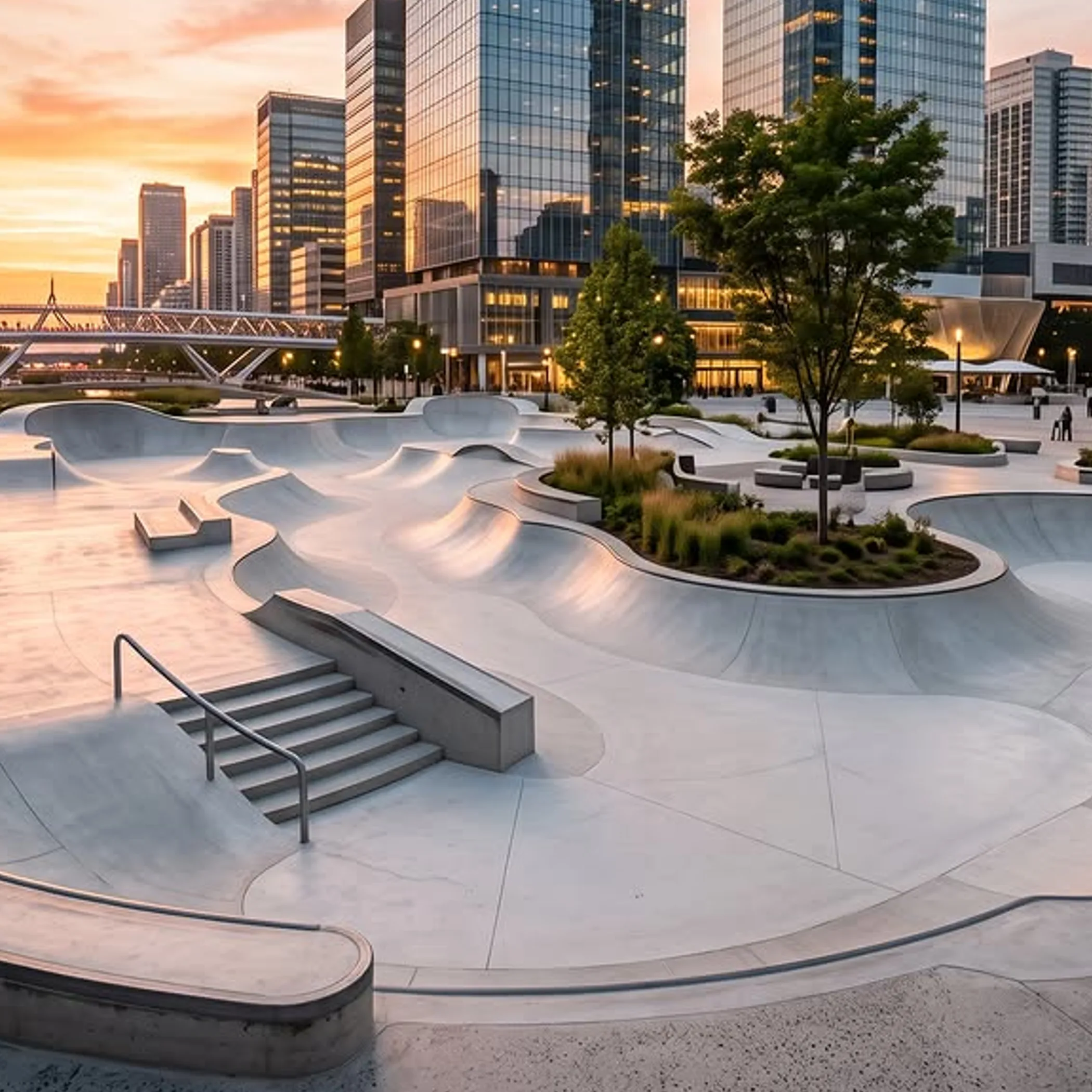
We have put together answers to what tends to cause the most confusion. Put simply, one is safe by heeding local rules and standards and making sensible decisions while operating responsibly.
What Are The Main Safety Standards In Australia?
The AS EN 14974:2021 is the specialist reference of choice for all skatepark safety requirements, be it marking, testing or construction. But do not expect one document to cover every eventuality for every park. You may also be subject to the Australian Building Code, council policies, contracts, workplace safety duties or state and territory law.
What Safety Equipment Is Required?
As to helmets, the posted rules at the facility and the law of the state or territory will tell you. Beginners in particular should consider knee and elbow pads, wrist protection and proper footwear. Do not take it for granted that a rule in another state holds for you; check the sign and the current local law.
Is Riding On A Pavement Illegal?
You will not get a straight answer for the whole of Australia. Depending on the council area, the rider and his equipment, footpath and pavement rules differ from one state or territory to the next. Some will let you ride certain wheeled devices within reason, others will not. It is best to familiarise yourself with the local rules before venturing beyond the confines of the facility.
Who Maintains A Skate Park?
It falls to the asset owner or operator to put in place the necessary hazard controls, repairs, inspections and incident procedures, though the specifics are a matter of contract and ownership. A council might have a private operator or a school authority on the job. Where to lodge a complaint about a defect should be made clear on the council’s facility page or a posted contact.
How Should Councils Manage Skate Park Risks?
With risk assessment and hazard identification in writing, and after having consulted the community and secured competent services for the design and build, a council should be on top of things. That means reviewing incident reports, controlling defects, inspecting the site and holding onto manufacturer information. Lighting, drainage, public liability and after-hours running are all to be managed. One wants a facility people can safely put to use, not one where a signboard does the work.