In 2026 one would do well to visit the Australian Outback between April and October; it is when inland Australia puts on its cooler side, humidity is down and you can rely on the roads. Put May through September on your calendar for a more agreeable combination of camping, activities and the weather. But then there are the northern reaches like the Top End or the Kimberley and some of Northwest Australia where wet and dry seasons are more pronounced and you have to be mindful of the region.
I am Noah Campbell. After all the years I have put in briefing passengers on wildlife tours I have learned that the weather is not something to be taken as part of the scenery. It will dictate the state of the road, if you are comfortable on foot, how the wildlife is behaving and your safety in the water, or whether the day you have so planned comes to a head at a roadhouse with a dispute over an icebox that has given up. Here is my guide to travelling the Outback in Australia, from Uluru and Longreach to the Northern Territory, the Kimberley and Outback Queensland.
Outback Travel Window
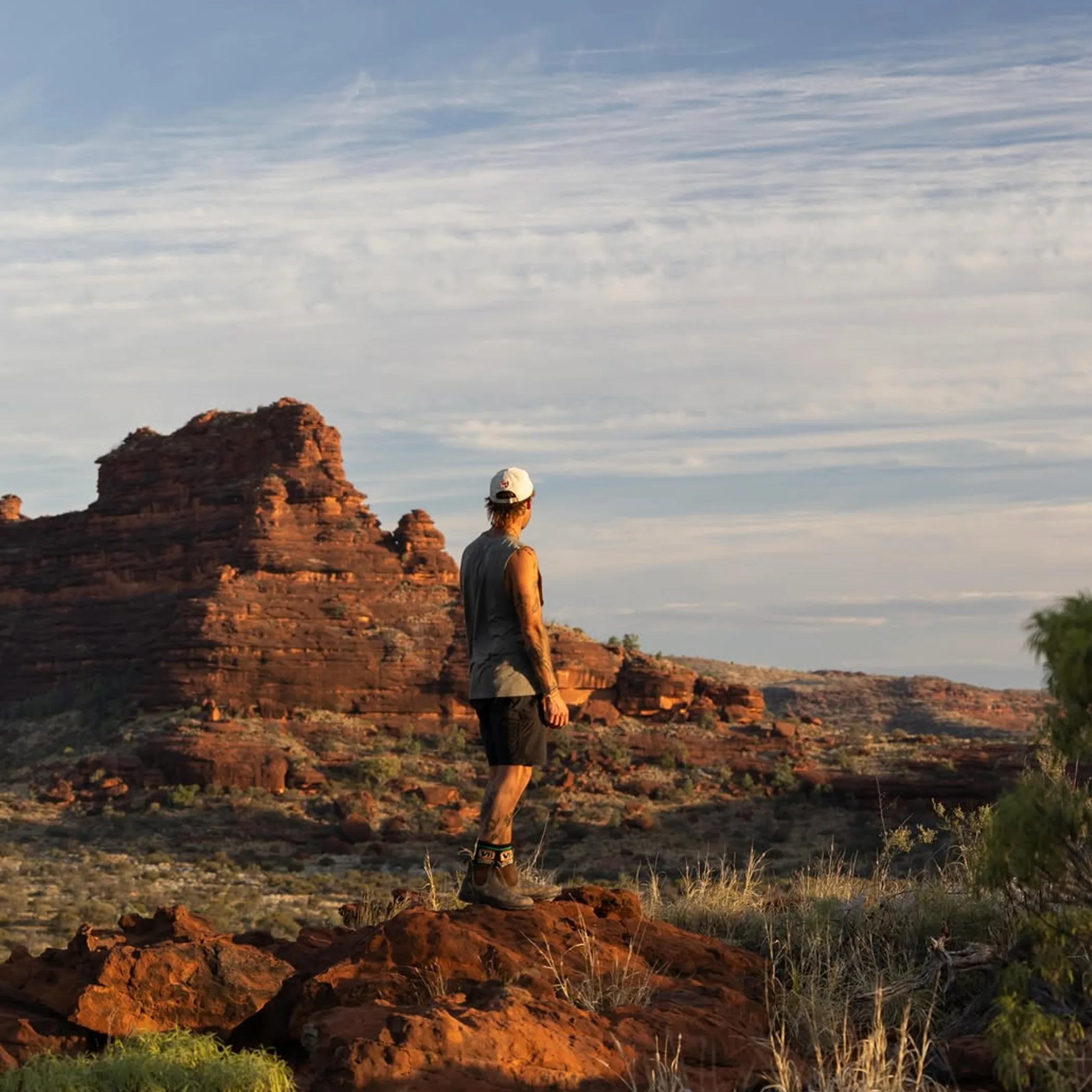
The place is too vast to say any one month is ideal for every route. What is a fine month in the Red Centre could be a poor choice for a remote track in the Kimberley, and Outback Queensland will often be workable while the north is being lashed by rain.
As a rule of thumb the main season runs from April to October. For long drives and guided tours you will find the conditions most dependable from May to September, come winter nights or not, which have a way of being cold. For more context, see Indigenous outback tourism trends.
A Seasonal Overview
| Travel period | Advantages | What to expect | For whom |
|---|---|---|---|
| April to May | Fewer people around and in places the country is greener from the rain, temperatures are coming down | Rain can still play havoc with unsealed roads and regions differ | Those after a flexible road trip |
| June to August | Humidity is low, walking is good and the days are cool | You will encounter peak demand and cold at night, availability thins in the popular spots | Uluru, national parks and camping in central Australia |
| September to October | Good for wildlife and the spring is pleasant, you get more daylight | The afternoons warm up and the north starts to see wet-season shifts | An active traveller’s shoulder season |
| November to March | Some inland areas see less traffic and the weather is dramatic | Expect heat and storms, cyclone warnings in the north and the odd closure | Leave this to the experienced with plans that can be bent |
There are four windows to the year here. Seven months in the April to October block, five in the May to September stretch for those who prefer the cooler side of things. Consider them for planning purposes only, the Outback does not guarantee anything and the weather can turn in short order.
The Dry Season Has Its Merits
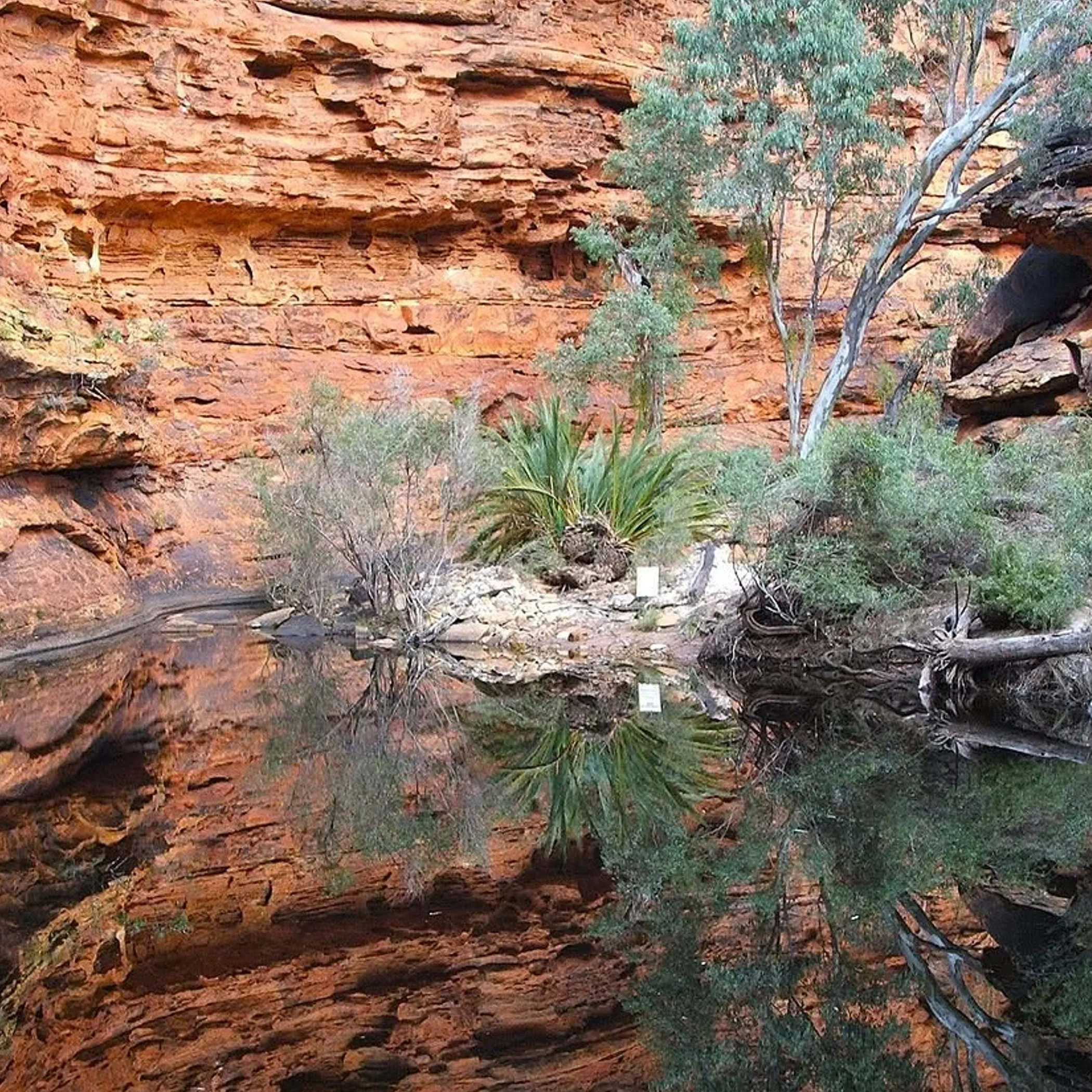
It is the preferred time because it simplifies things. You are not looking at every cloud as a menace from above on a long drive, you can be out of doors more and put in your miles. The dry season in the Kimberley and the Northern Territory is generally the cooler, less muggy part of the year. Getting to the national parks and tour operators is easier, though you may find the going as thick as sardines at the better sites in school holidays.
On Comfort And Crowds
First timers would be wise to make May to September their first port of call; the cooler air means less stress on sightseeing and walks. Do not think of a sleeping bag rated for the cold as a frill in the Red Centre, winter has its bite and campers will find the temperature drop off overnight.
There is a trade-off with the peak season. Dawn and sunset viewing spots get crowded and there is more call on the campsites and accommodation. Make sure to put in your bookings early for a Gibb River Road departure or time at Uluru.
Regions And Months
It is a matter of which Outback you are talking about: the tropical Top End, the cattle country near Longreach, the seasonal Kimberley or the arid Red Centre. Timing is more of a factor than most allow for. See what the regional guide below has to say on conditions and your ability to stand the heat or mud or a road train that looks like a building with lights on.
Uluru / Red Centre
May to September is normally the time to be at Uluru for a more relaxed cultural experience and walk. If you are willing to put up with warmer afternoons and want to avoid the throngs, April and October will serve you well. One can make the journey to Uluru on sealed roads from Alice Springs or put in a flight and transfer to Yulara. The drive from Alice Springs is a matter of several hours; do not think of it as you would a city commute. Factor in some leeway for the odd road train, a rest, to put the camera to use or refuel.
If the visit is for a day, there is no point in attempting to be at every lookout. Better to make time for a cultural guide and what the base has to offer. This is an area for those who will get up early, are comfortable walking in the heat and heeding park rules. Those disinclined to put in the effort to carry water, put some protection on from the sun or be flexible with their plans will find it less to their liking.
Northern Territory And Top End
You will find two distinct travel characters in the Northern Territory. For national parks, camping, a guided tour in the Darwin, Kakadu or Katherine area or to see the waterfalls, the dry season from about April through October is the sensible time.
Then there is the wet season with its high humidity, flooding and lightning, not to mention closed roads. While a waterfall may be at its most impressive, one may not be able to get to it and swimming is out of the question. As for crocs, show the proper respect all year: observe the signage, stay out of off limits areas and do not be fooled by a placid waterhole.
A map will understate the time required. A sealed road can still put great distance between you and a phone signal or some provisions. In the remote parts of the country you want a charged device, spare supplies and water, and someone to have your itinerary.
Kimberley And Northwest Australia
May to October are the months of choice for the Kimberley, the dry season being more reliable for the main roads and tours. The Gibb River Road is a remote track in the true sense, not something made to look like a scenic short cut with good marketing.
I am more concerned with preparation than bravado when I talk to travellers of the rougher country. Before setting off, verify the condition of the road, that your insurance and vehicle are up to the task and have food and fuel in reserve for any hold up. You might need a four-wheel drive but it does not negate the laws of physics or corrugations and punctures.
The Kimberley is for the confident driver and camper who can take an itinerary being dictated by the state of the road. Not a place for a novice with a tight schedule and no experience of unsealed roads in the bush.
Outback Queensland And Longreach
April to September is usually best for Outback Queensland, the cooler weather being more agreeable for the attractions and any walking or driving. Longreach is well suited to the traveller after some aviation history, regional tales and museums, and a gentle way into the inland.
Depending on where one is coming from, it is possible to get to Longreach by road, a regional flight or an organised tour. If you have driven in from the coast you should put in a rest day. Distances are considerable and services few and far between; you could be hundreds of kilometres from a replacement for a charger you have left behind.
Days in winter are pleasant enough but once the sun goes down it gets cold. Spring is fine though the heat comes on fast. Make sure of accommodation and local events before you put a route in stone, smaller towns do not have the spare rooms a city dweller might be used to.
Read Weather And Roads Together
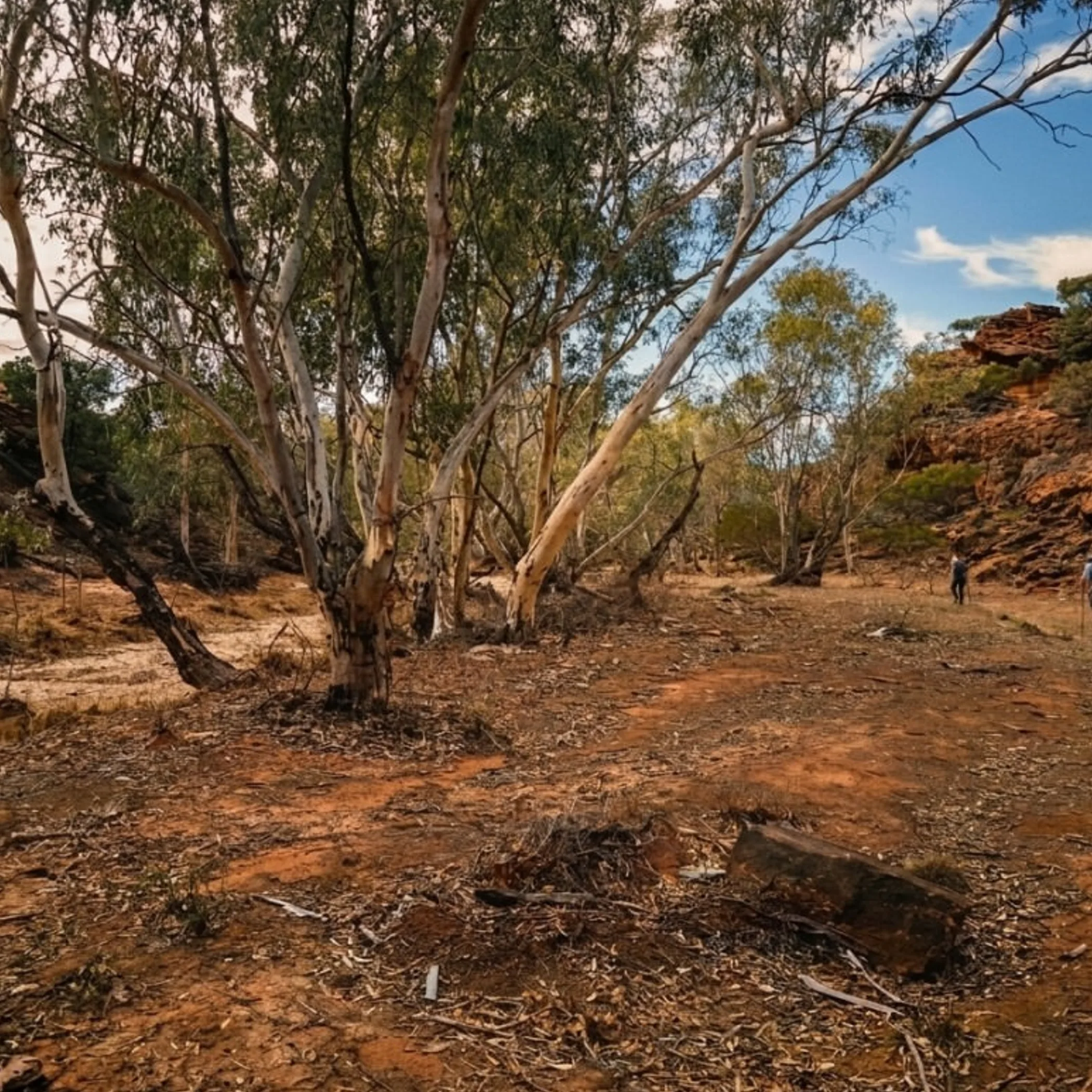
In the Australian outback the weather is more of a consideration than your attire. A storm can make a simple track a slow business with the mud, or the heat will put a limit on how far you can walk. Rain means closed roads.
Consult the Bureau of Meteorology for climate data before you leave and again for the current warnings once you are on the road. The long term patterns are for planning, but the present warning is what tells you if you are travelling today.
Summer Brings Real Risks
From November to April the north is extremely humid and central Australia hot. Cyclone alerts, flash floods, heat and bushfire warnings can put a stop to your plans for the day, or close a park or road.
There is a need for flexibility in summer and good air conditioning. One has to be prepared to call off an outdoor activity at the height of the day. Try to camp without shade or ventilation and adequate water and it is a rough experience in no time.
Autumn And Spring Need Flexibility
These shoulder seasons are useful, conditions being somewhere between the extremes of winter and summer. But they are also times of transition so a region may be one thing one week and hot the next.
There is reward in the wildlife in spring but do not count on them for your entertainment. Do not feed them or get too close, put away your food. There is no photograph worth making a nuisance of a wild animal on the side of the road.
Plan Roads Camping And Tours
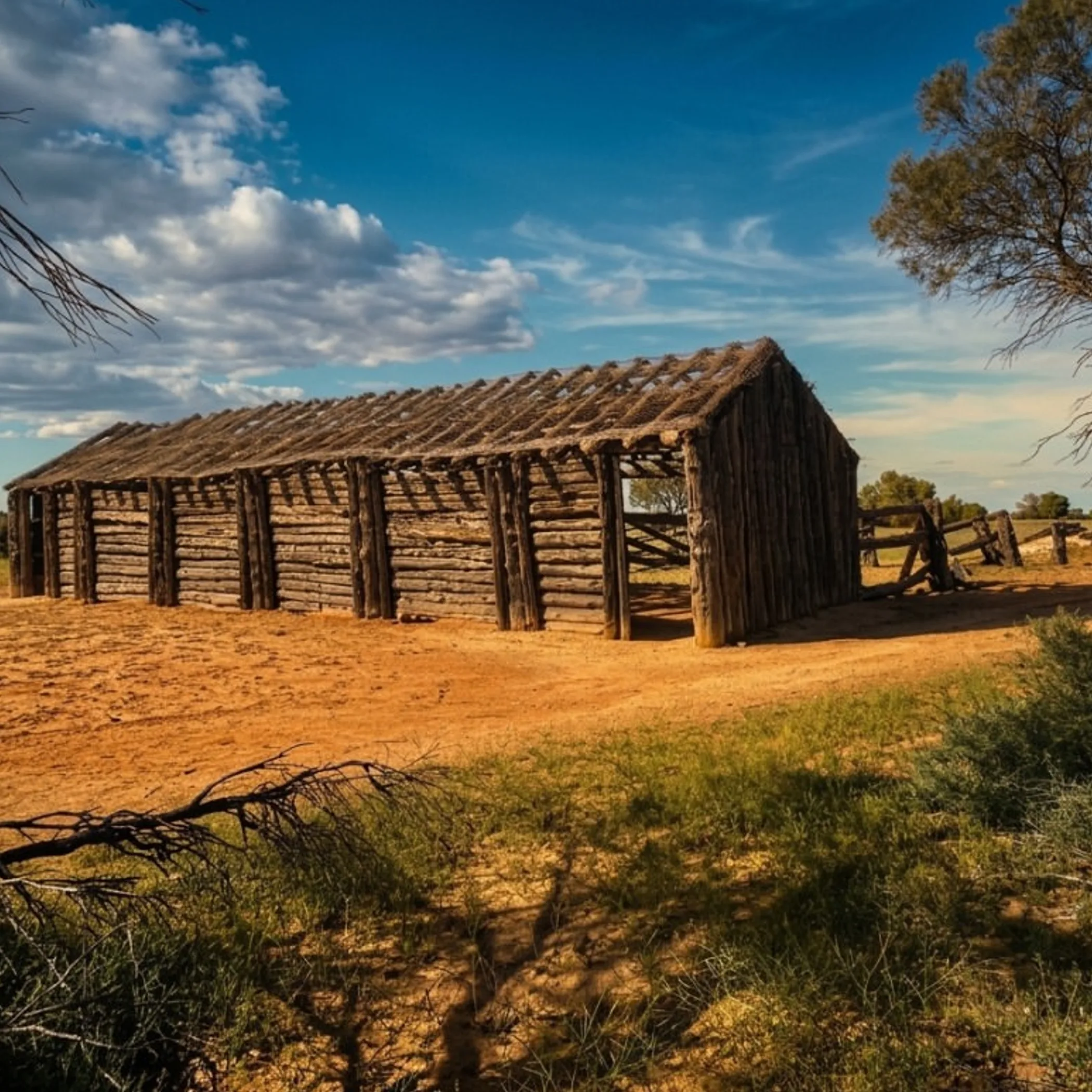
A well made Outback road trip in Australia will be as much about fuel, daylight and time to recover as it is the attractions on paper. Before one puts reception in the rear view mirror, mark down where you will put in fuel, what is a sealed road, your emergency contacts and probable places to make an overnight stop.
Then there is camping. It is a way to keep accommodation costs down but at the expense of having to do more prep. The bush is no five-star hotel; one has to have a plan for waste and toilets as well as adequate lighting, warm bedding, food and water, and protection from the sun and insects.
A Practical Checklist
- Departure should not be until park alerts, permits, weather and the state of the roads have been checked.
- Take on board more in the way of food and drinking water than the drive strictly calls for.
- Make sure your tyres, vehicle clearance and recovery gear are in order, and see that spare fuel is sorted.
- Put some layers in the pack for when the day is hot and the night cold, or if rain and mozzies are in the offing.
- And let someone know where you are headed and when you should be in, updating them if things alter.
For those who would have their transport and safety concerns looked after with a local’s input, a guided tour is the answer. They are of use in remote country or at cultural sites where local knowledge and access rules come into play. Do compare the price tag, however; what is included can vary and meals, park fees or any optional activities may be separate from the cost of transport and lodging.
2026 Travel Preparations
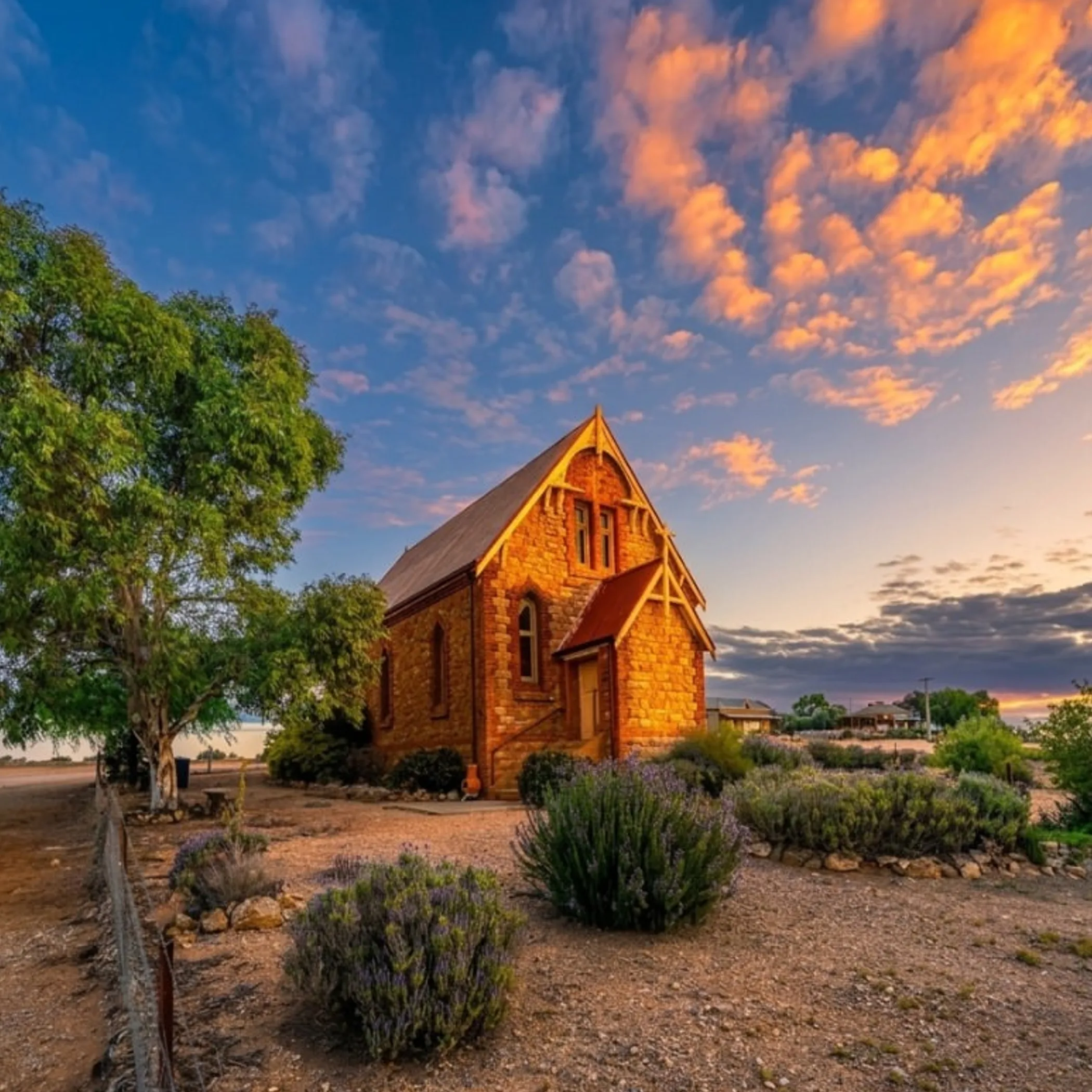
One cannot be too early in preparing for 2026 in the Outback given that tour availability, park regulations and the like are subject to change. In the run up to departure confirm the status of any Aboriginal land access, opening hours and permits.
As for budgeting, put figures in categories instead of making up a total. Factor in the long haul for fuel, vehicle prep, passes, camping or a room, emergency supplies and the odd guided activity. A financial buffer is wise for any delays; limited accommodation and fuel out in the country will set you back more than you might think.
The Reality Of Expectations
You may expect to be at a lookout for the sunset each day. But by lunchtime a closure, a slow road train, cattle or a tyre can have other ideas. Or you might think winter is synonymous with warmth. Not so in the inland around Uluru where you can have a pleasant day followed by a cold night. A four-wheel drive is no guarantee an easy track; experience and knowing the current access are of equal import.
Cultural Respect
There is a trend in Indigenous outback tourism for travellers to put themselves in the hands of an Aboriginal guide or community for a better understanding of the landscape. One should go about this with respect and not regard culture as something put on for the camera. Heed local guidance, book through the proper channels and abide by photography rules. There are stories and sites not meant for public consumption and good behaviour is to accept that. Some places require permission to enter and the rules are not the same in every region.
It makes for a better visit as well. A guide will put Country, history and language in perspective in a fashion a sign by the road does not. It is an opportunity to learn.
Some Common Questions
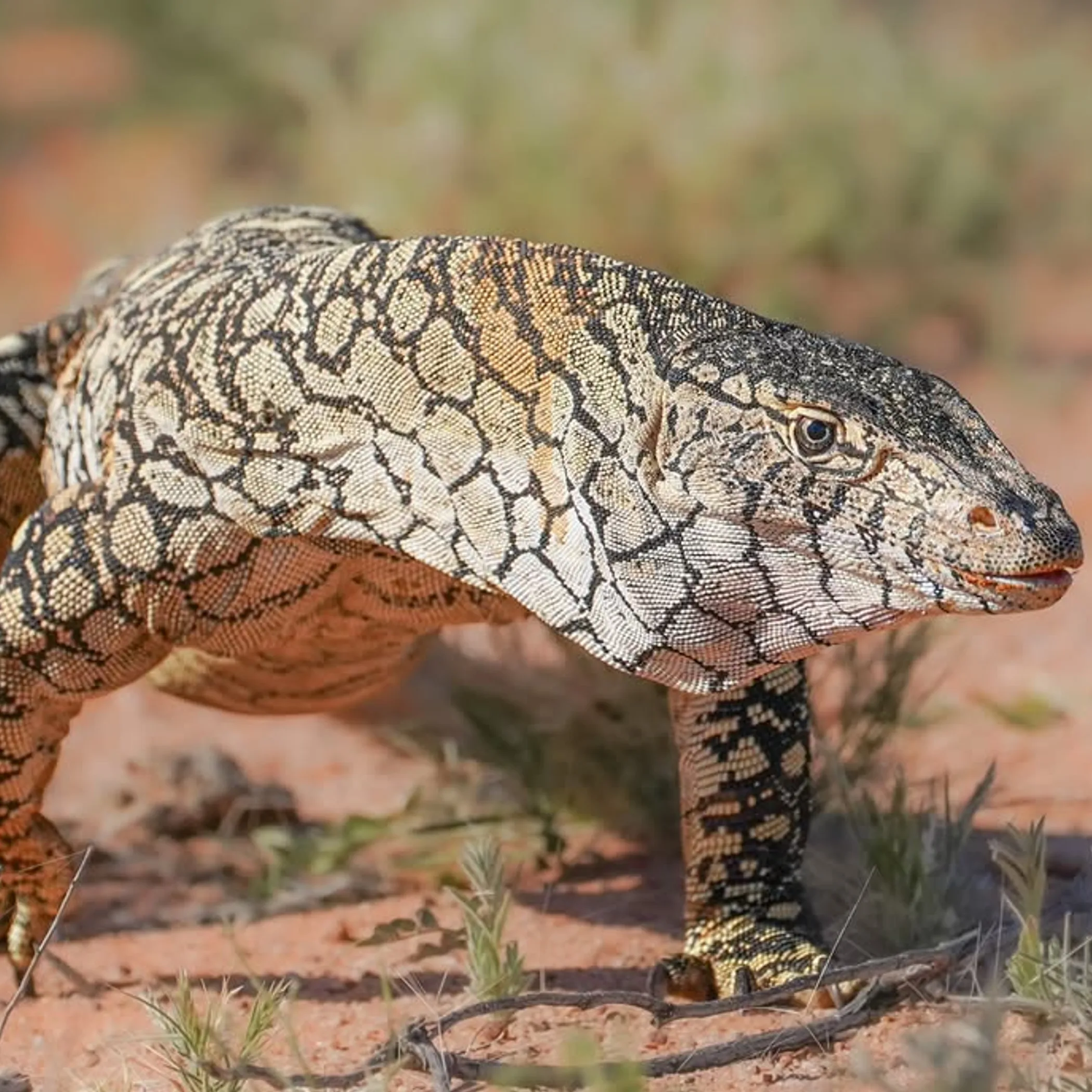
After looking at a map and the distances involved, the definition of “nearby” tends to be rethought and these are the answers that are called for.
When is the right time for the Australian Outback?
First timers are best served between May and September. April and October offer some shoulder-season leeway. As for the wet season in the north, do not put it in the plan unless you have the experience and dates to spare and sound local counsel.
And for Longreach?
June through August is generally most comfortable, the winter humidity being lower and days cooler. You can make May or September work if you are prepared for a warmer afternoon or a chill at night and wish to sidestep the peak season.
Where are the best towns?
Your route and vehicle will dictate the choice as much as an interest in a museum or national park. Yulara and Alice Springs in the Red Centre are useful bases, as are Katherine and Tennant Creek in the Northern Territory. For the western Kimberley there is Broome, while in Outback Queensland one might put in at Winton or Longreach.
What of the Australian Outback Spectacular?
Your ticket or the venue’s word is the final authority on arrival times, not an old itinerary from another’s travels. Allow yourself time to check in and park.
Can a first-timer handle the Outback?
Provided you stick to the accessible centres and sealed roads and do not overdo the driving, yes. Leave the unsealed routes in the remote for another time, particularly in the heat of summer or the wet. If you have to turn around, consider it the day’s smartest move.
To make the season work
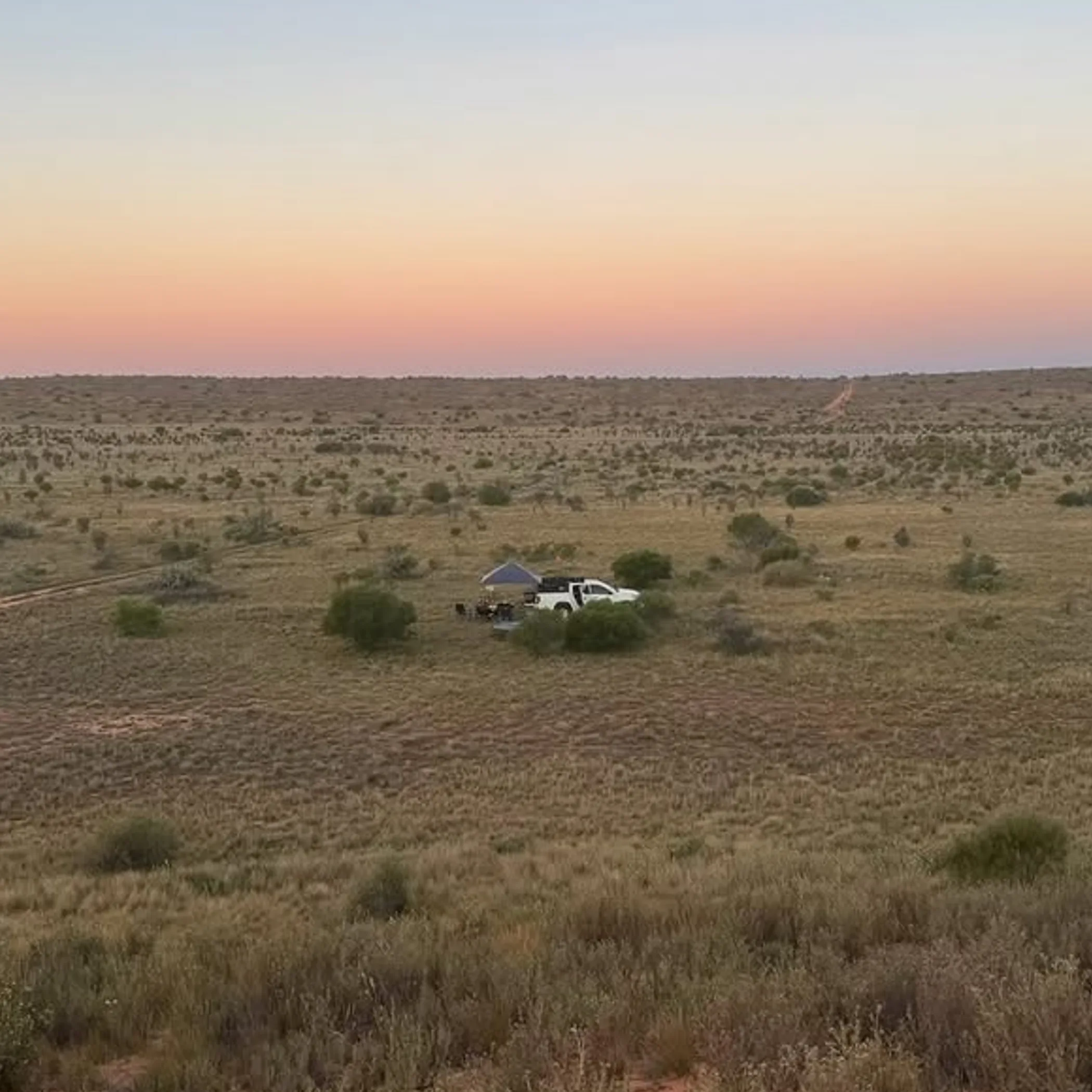
Plan the majority of your journey for the April to October period, with May to September being the safest bet for sightseeing and camping in cooler climes. Adjust for where you are: the Top End and Kimberley are at the mercy of dry season access, whereas Uluru and Longreach are better in the cool months.
Do your checks on the weather and roads before you go. Be patient and have your supplies. The Outback has little patience for a traveller who has three shirts but no water, but it will reward you for the preparation.