Photo Seasons in Australian Parks
What makes a season the best for your landscape photography in an Australian national park is a matter of the terrain, the kind of light you can work with and whether you have a tolerance for road dust, mud or excessive heat. You will find wildflowers and waterfalls in spring; autumn for colour and more agreeable conditions; snow and a bit of crispness in winter. Summer is ideal for alpine mornings and long days on the coast, or in some of the southern parks.
Noah Campbell here. One has to learn from years in the field that the photograph is generally won by the one who put in the time to check the weather, had enough water and was there ahead of the rest. There is no substitute for patience in the national parks, especially with dawn and dusk photography in parks, but casual planning is its own punishment. A fine lookout is no answer to a closed road, a mozzie of professional bent or a creek in flood.
Choosing Your Season For Light
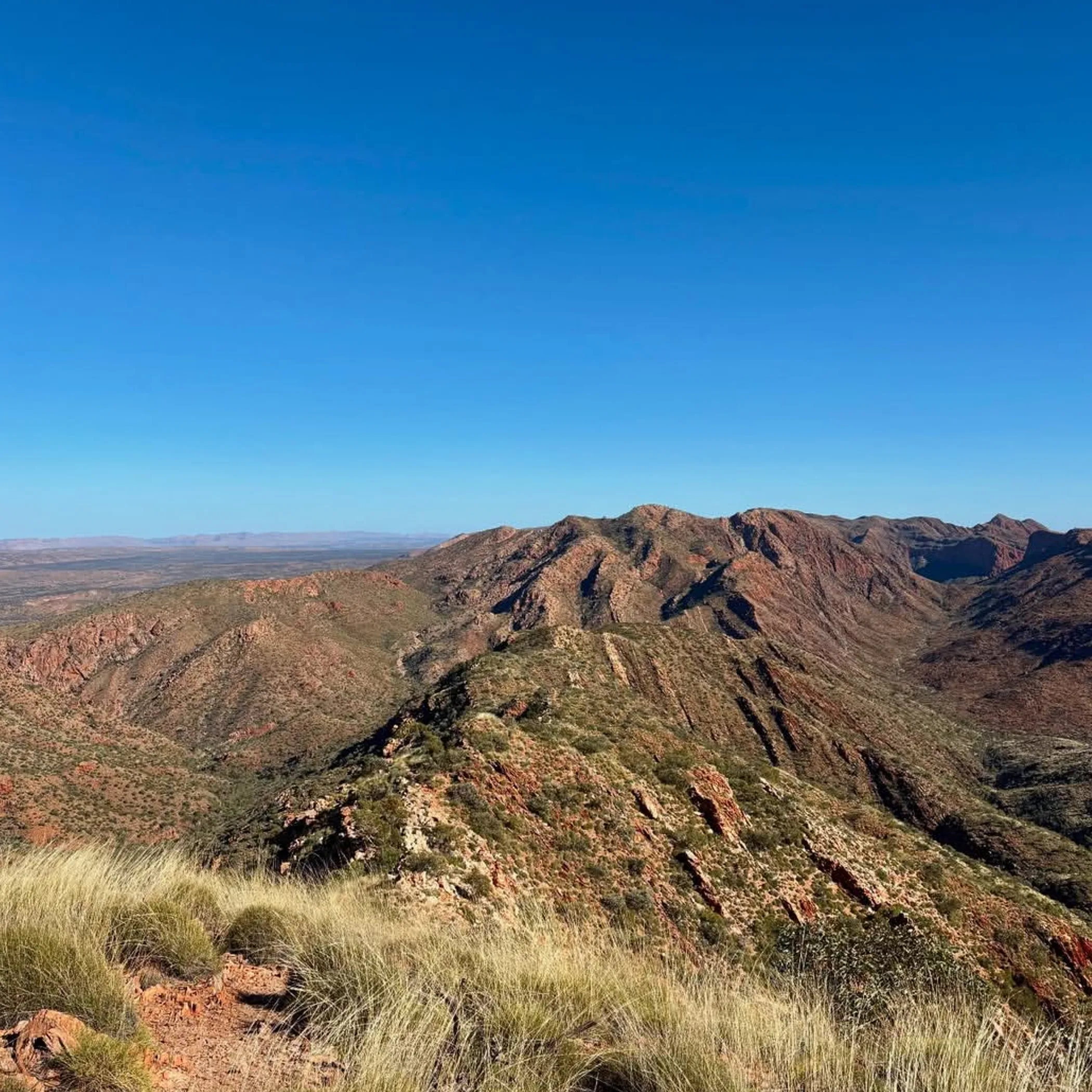
There is no single month that is right for all of Australia. The country runs from the tropical Top End to the Alps, so what works in one region will not in another.
Autumn and spring are a safe bet for most, giving you decent natural light and temperatures you can live with. If you want dramatic skies and mist then winter is better. And provided you are up early and mindful of the heat, summer will give you fine coastal and alpine pictures.
Seasonal Conditions At A Glance
| Season | Best Subjects | Main Advantages | What to expect |
|---|---|---|---|
| Spring | Wildflowers, waterfalls, wildlife and green valleys | Active streams, fresh growth and longer daylight | Muddy tracks, closures and rain you cannot count on |
| Summer | Long-exposure water, coastline, beaches and alpine | Access to the south and long days | Afternoon storms, glare, bushfire danger and the heat |
| Autumn | Forests, mountains, mist and the autumn palette | Calmer of a rule, softer contrast and less heat | Road access in the high country can be an issue and the days are shorter |
| Winter | Cloud layers, frosty grass, snow and waterfalls | Fewer people about and a good low-angle golden hour | Driving can be hard, as can the wind and ice with limited daylight |
Do not mistake these for guarantees, they are merely for your planning. A cold front will put up a grey wall where there was a clear view, or a dry spell will reduce a well known waterfall to a damp spot on the rock. Make sure you have checked for any park or fire alerts and the state of the roads before you set out.
The Freshness Of Spring
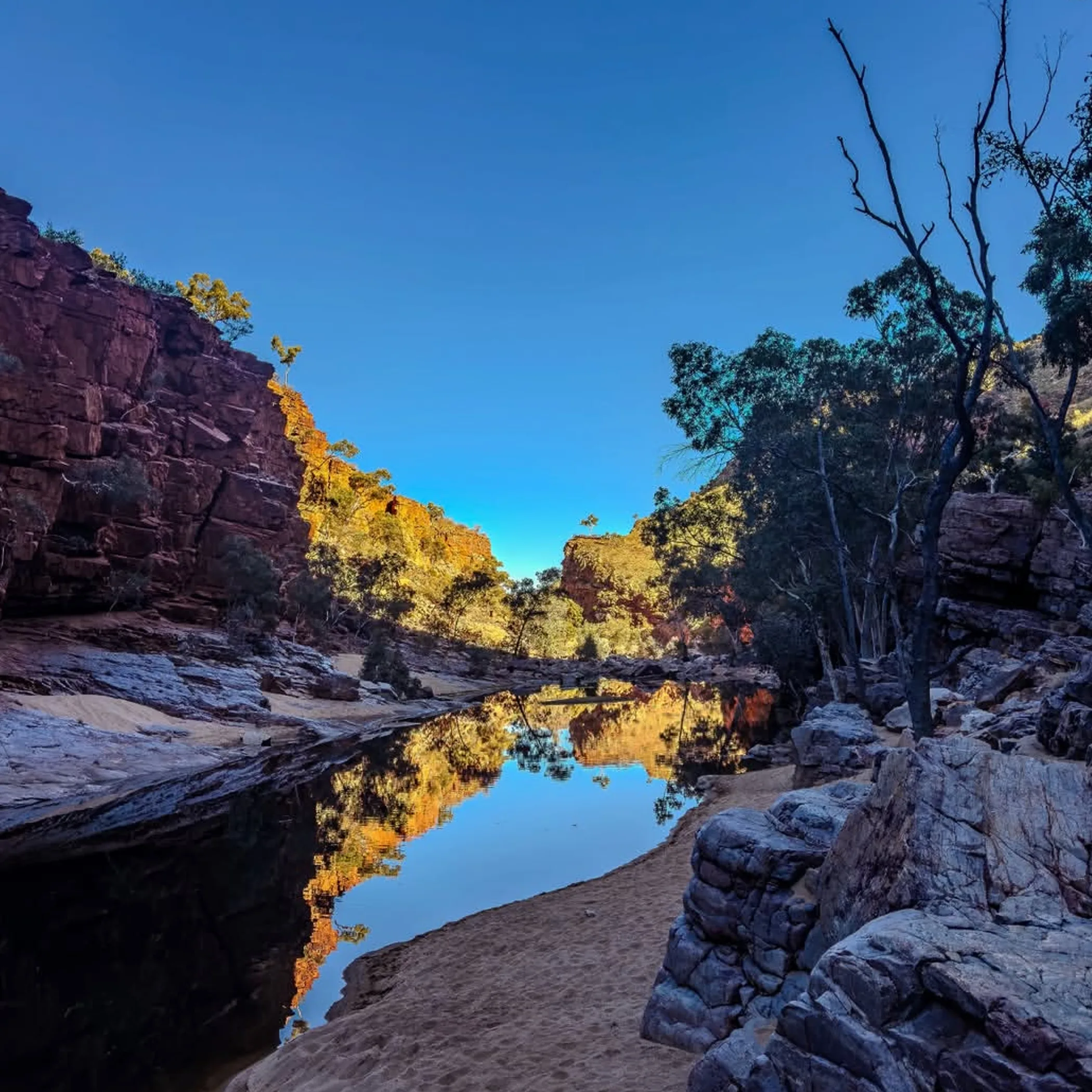
For colour as opposed to stark shadow and rock, spring is very reliable across Australia. It is for the photographer who does not mind if his conditions are in flux; in the space of an hour you might have wet rock, cloud, sunlight and mist.
Wildflowers are the drawcard but do not pass over the grasslands and waterfalls. With recent rain the streams are more lively and the morning light will put texture on a leaf or rock face that would otherwise be a flat green postcard.
Some of the finest spring compositions
Some of the finest spring compositions in Victoria are to be had in Grampians National Park with its sandstone and mountain silhouettes. A medium telephoto is called for when the frame is a small area of colour set against a big rock wall.
Kalbarri in Western Australia is worth a visit in the spring. The gorge and coastal cliffs put on a show when the sun comes out of a shower. Put aside time to walk between lookouts; the sign may understate how far it is from the car park to the shot, and that is without a tripod in hand.
Then there is Esperance, where you can have granite, turquoise water and wildflowers. But spring is not always benign. Have a cloth for the salt spray and shield your batteries from the sand. When the wind is sending grit sideways the beach is empty and you are left to wonder if that lens was worth the price.
A Word On Spring
Most will tell you it is a season for sunshine, which is where they are wrong. Rain can be good for the image but it will make unsealed roads rough as guts. Do not drive a track you do not know after dark and get an offline map.
Stay on the path. There is no need to get down on the vegetation for a foreground or displace a branch for a tidier picture. This is not a studio and the person behind you should see the same thing you did. Make the most of the long days in summer
Make The Most Of The Long Days In Summer
There is no better time for a sunrise, some midday scouting and a sunset shoot than in summer with its extended daylight. Then again, it is the season that has a way of making an unseasoned photographer put up with dehydration or glare, or be undone by a bushfire detour that was not well thought out.
For access to the walking tracks and roads in the alpine country, or the national parks of Tasmania and some of Victoria, summer is usually preferable. The north is a different story; the wet season rewrites the rules. Between November and April one can expect cyclone warnings, flooding, lightning and the odd seasonal closure in northern Western Australia and the Top End.
Summer’s rewards
Head to Kosciuszko National Park in the summer to get at the mountain landscapes without having to contend with full winter driving conditions, provided the upper tracks are open. Be there early. By late morning the sun will be hard enough to flatten out the ridges and any exposed walk becomes trying. Take on more water than you would think necessary if shade is at a premium.
Long evenings are an advantage in the coastal parks of southern Victoria and Tasmania. You will find the wind putting texture in the clouds and a low sun skimming over the swells and cliffs. But do not make yourself a rescue statistic with a tripod when you are near rock platforms; check your tides first.
Uluru and the Uluru-Kata Tjuta National Park have the potential for vivid colour in summer, though the heat demands careful planning. Stick to the hours around dawn and dusk and heur the local advice on access. Prior to any trip, see what the official visitor information for the park has to say.
Access and the summer heat
Vehicle reliability, how far you can walk and even park access can be compromised by the heat in the Red Centre and Outback. What seems like a short trail will feel twice as long with the ground radiating the heat back at you. A clear sky does not necessarily mean safe conditions.
The dry season is normally kinder to the photographer in the northern parks. While the wet brings its drama in the form of greenery and waterfalls, it also means closed roads and the dangers of fast water or crocodile territory. Obey the signage and be croc-wise; do not take it for granted that a still waterhole is fit for a swim.
Colour in autumn
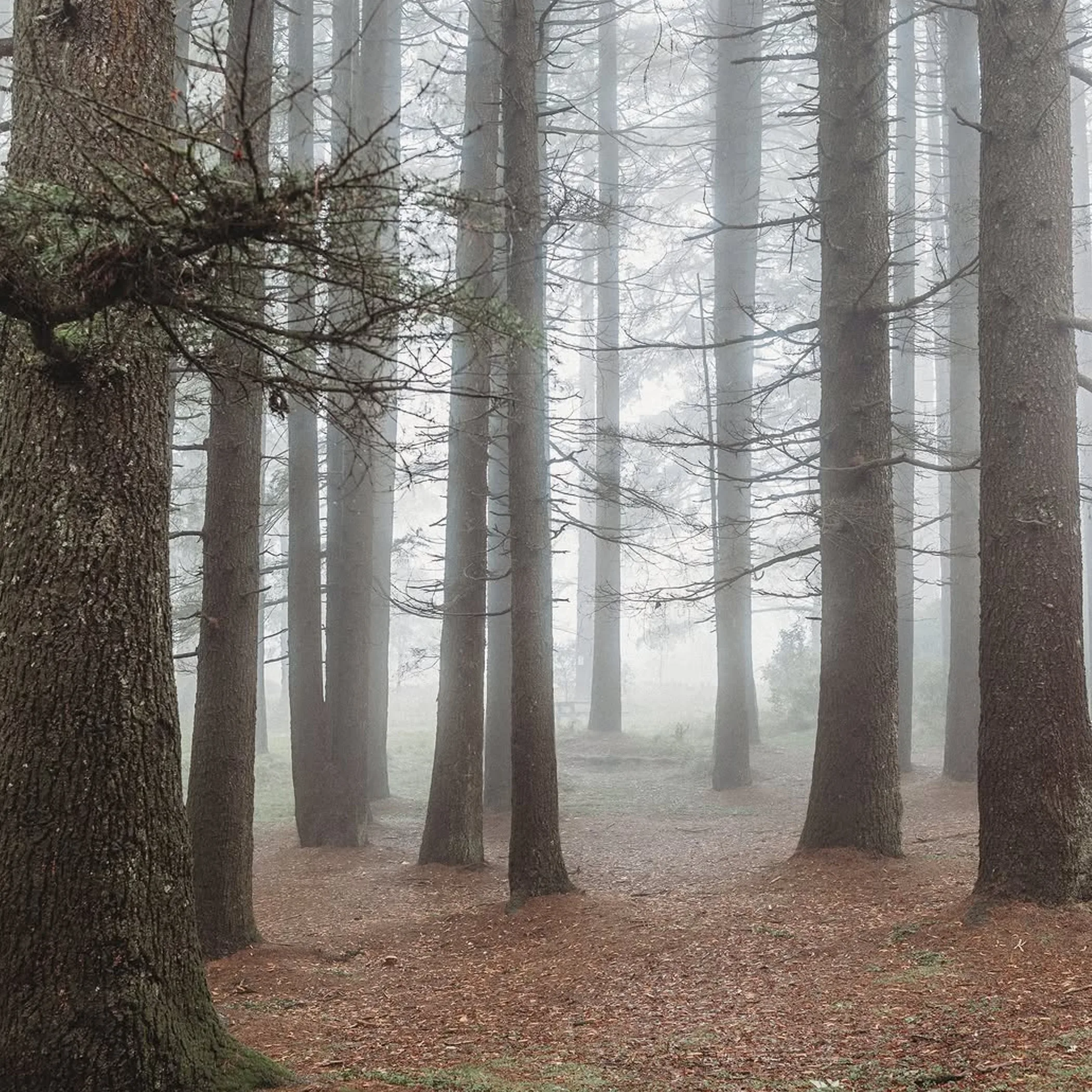
A photographer looking to put in some time without the peak summer heat will find autumn to be a more accommodating season. The light is gentler, there is mist in the mornings and the forests put on their golds and rusts.
Deciduous plantings and the high country have the best autumn colour, but the season is good for desert and coastal scenes too. With the sun lower in the sky, shadows lengthen and give definition to granite, dunes and cliffs.
Some autumn places to put on the calendar
Sandstone escarpments and eucalyptus layers in the Blue Mountains and its national park are well worth a visit in autumn for the valley light. Mist may be found under the lookouts or obscure the ridges in the distance altogether. Make of the fog what you will, do not consider it a view lost.
In parts of Tasmania one can have rich foregrounds and mountain weather in the cooler forests. After a storm expect to spend an hour on a 30-minute walk once you have made allowance for fallen branches and wet tracks and the odd “one more frame” for a bit of fungi or a reflection.
The Grampians in Victoria are another good option. The cooler temperatures allow for an easier trek to a viewpoint before the sun is up and it will separate sandstone strata that the summer sun would otherwise obliterate.
What you see and what you get
You might expect a forest of bright orange. In reality the colour in an Australian autumn is dictated by the species, rainfall and where you are, with much of the native forest staying green. Do not let a few leaves make or break the outing, work with the side light and structure instead.
Mountain roads in autumn are subject to change. A map will tell you the route is short but makes no claims as to its smoothness. See if the high-country tracks and gates are still open and build in some margin for roadworks and wallabies.
Winter for atmosphere
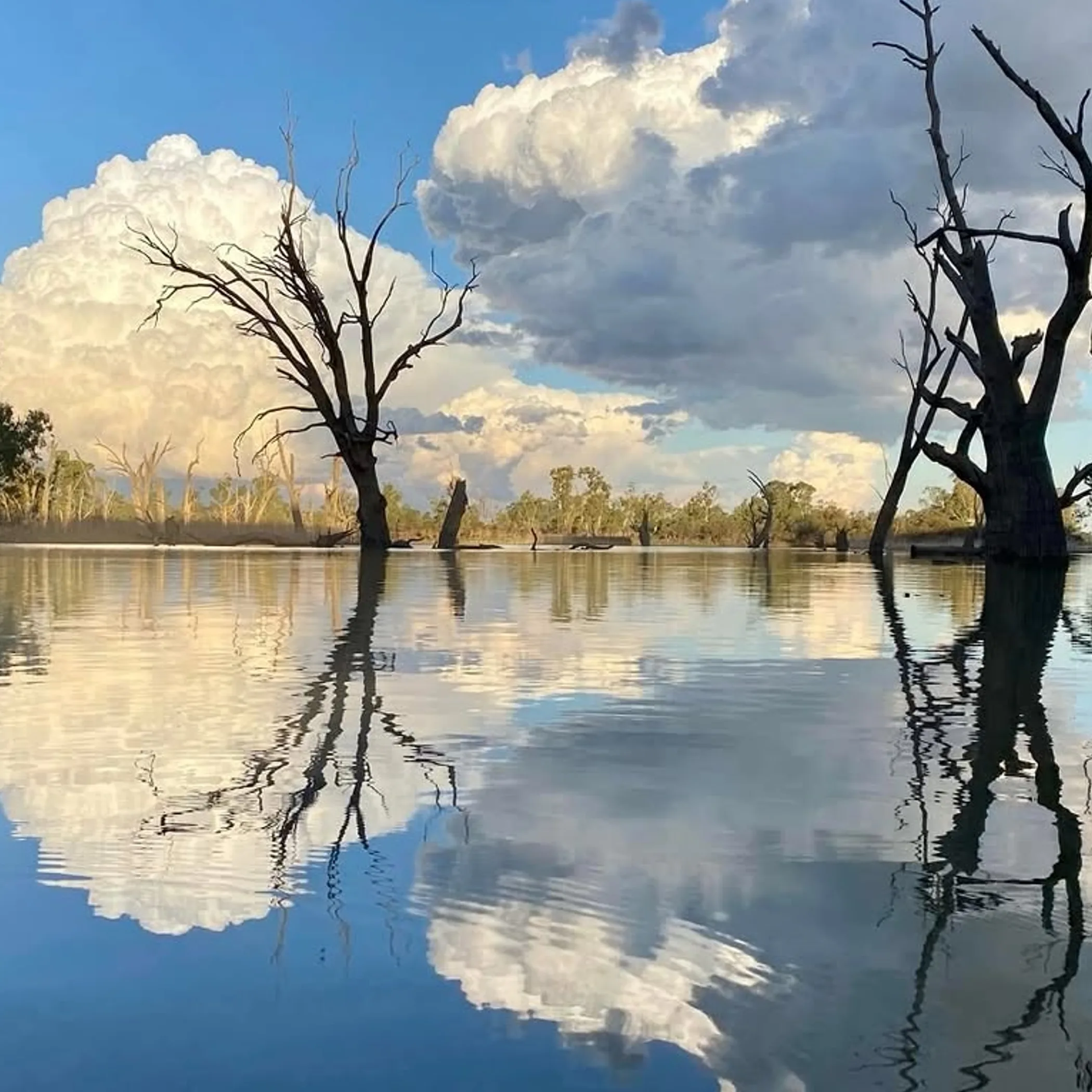
Some of the mood in an Australian national park comes from winter. Early darkness, low cloud, frost and snow will render the mountains in graphic terms.
It is for the photographer who has no qualms about an early start and packing for the wet, and is prepared to alter course. The cleaner air and the absence of other visitors are part of the payoff, as is a golden hour of low-angle light that endures longer than in the summer months.
On the subject of snow and safety in the mountains
There is no better winter exemplar of a snow-laden mountain than Kosciuszko National Park, though one must be mindful of vehicle requirements and any road closures. Conditions on the road will dictate access; some routes will call for snow chains and a fine morning at altitude can turn in an instant.
A lookout is not to be taken as your whole plan for the day. See what the walk from the car park entails, have insulated layers to hand and shield camera batteries from the cold. Put spares in a pocket to keep them warm but put them in a sealed bag first so there is no condensation once you are back inside.
The Blue Mountains and Tasmania have their share of waterfalls that make for good photographs after a rain, provided you employ a slower shutter where it suits the scene. Water is no guarantee of a better image; a fast shutter will at times show the texture and force in a more forthright manner.
Work with the light
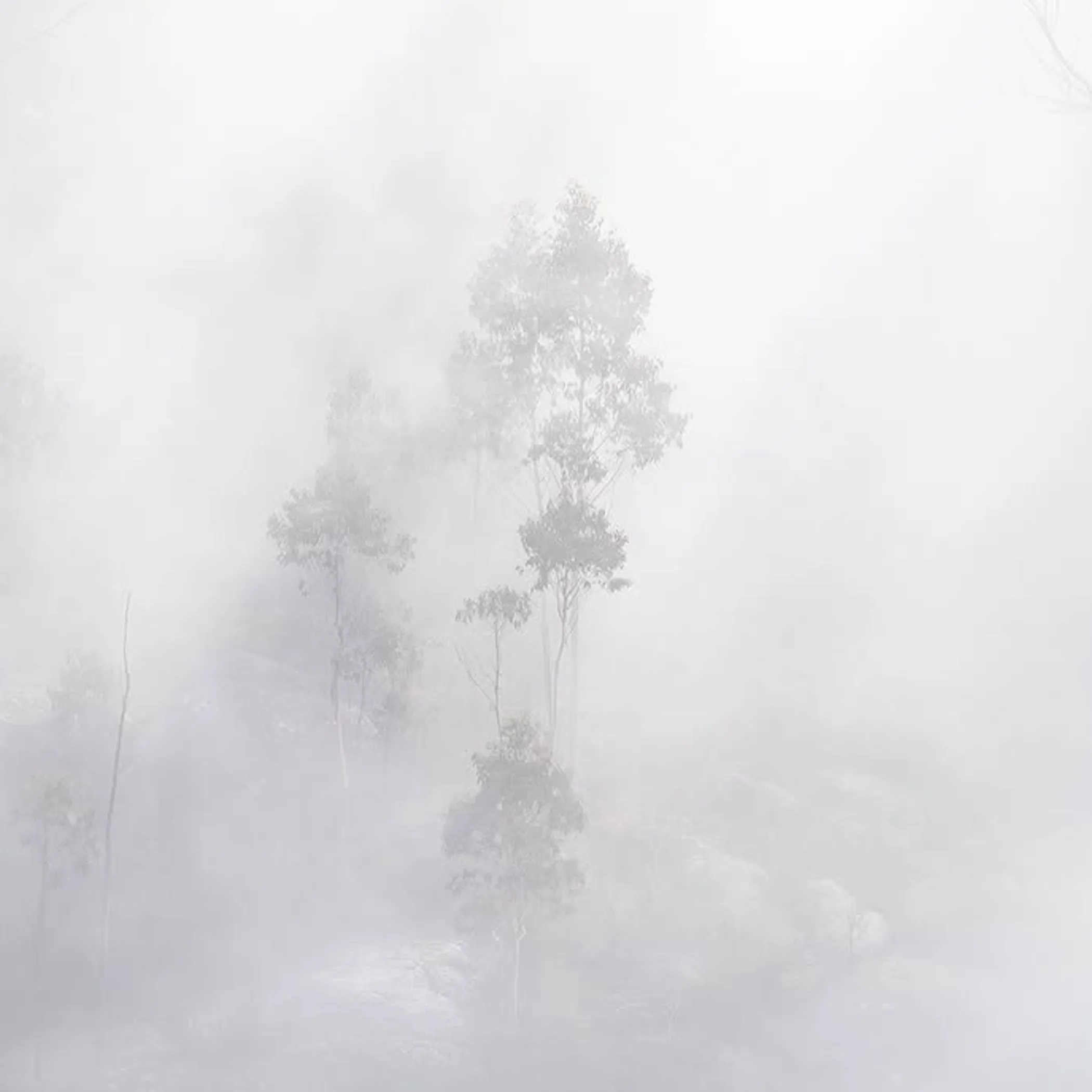
You will find the same approach pays off in sunrise and sunset work across Australia: be there before the light does. An early start means softer contrast, cooler air and less traffic at the lookouts. Later in the afternoon the rock is warmer, shadows are longer and the skies more dramatic.
It is easy to say one will do some dawn or dusk photography in the parks, but the effort is put in before the shutter is even opened. Make sure you can see the return route in the dark, have a safe place to park and get to know the foreground while there is still daylight.
Golden hour planning
Factor in 30 minutes to get to a lookout you know, 60 if the track is rough or you are sharing it with wildlife. For a sunrise you want to be set up and not fumbling in the dark, so come 45 to 60 minutes before first light. And do not put everything away when the sun has gone down. The 10 or 20 minutes following will give you a more balanced sky and cooler colour, as will the time before sunrise for its blue tones. A headlamp with a red-light is preferable; there is no need to put a bright light in the face of other visitors or animals.
Gear suited to the conditions
Most landscape tips are covered by having a polarising filter, lens cloth, a water-resistant bag, an offline map and a solid tripod. A wide-angle is of use for foreground scenes yet a telephoto or normal lens will render the distant details and mountain layers with greater strength.
Make sure you can carry your kit without difficulty. If the thought of the walk with a tripod is unappealing, leave it and you will be missing the shot you had in mind. There is little point in good conditions if you cannot get to them in comfort.
No drama in the planning
In Australia the logistics of a successful location are as much a part of the equation as the composition. You may have desert, coastline, mountains and waterfalls in one park but they will not have the same weather or walking time. I have found this from being out in the field, not by some theory. It is the ordinary things that are overlooked by visitors intent on the more thrilling aspects of a trip: the toilet stops, footwear, reception, fuel and how you are getting back. Those are the details that see you home for dinner.
An itinerary should be practical
One day calls for a sunrise spot, a subject close by for the day and somewhere for the sunset. Do not put the whole park between you and each one. Go where the access is safe, the light right and the return straightforward.
Before you go, see what the alerts are for the park and check the tides, fire situation and roads. Have a map downloaded with the particulars of your accommodation, emergency contacts and where you are parking. Take a charged phone or satellite unit if the reception is poor, along with first-aid, sun protection, food and water and something warm to put on. For the Australian Outback or Pilbara in particular, put your plans and when you expect to be back on the record of someone else.
- Check park alerts, weather warnings, fire conditions, tides and road access before leaving.
- Download a map and save the car park, fuel stop, accommodation and emergency contact details.
- Carry water, food, sun protection, first-aid supplies, warm layers and a charged phone or satellite communicator where reception is unreliable.
- Tell someone your route and expected return time, especially for remote areas of the Australian Outback or the Pilbara.
You will find transport is a matter of the park. A car you have hired is by far the most flexible way to get about away from the big cities. Yet for the more trying road conditions, Aboriginal land or to gain access to a remote part of Uluru, there is merit in a guided tour. Public transport can take you to regional gateways but do not count on it for a neat connection to a sunrise vantage point.
Costs are a function of how far you go and the level of comfort desired. Put aside money for accommodation, meals, any necessary passes or entry fees and fuel, as well as equipment hire if needed. Even an economy camping excursion has a way of running up the bill with motel nights, recovery gear or tyres.
Who is this for?
It is a travel style for the patient photographer, the walker untroubled by uneven ground and those open to altering their itinerary. Not so much for anyone that requires a flat path to a lookout, set hours at a café or the certainty of mobile reception. Families will make of it what they want with some snacks, a firm turnaround time and shorter walks. As for wildlife photographers, longer lenses are called for; do not feed the animals and hold your distance. The better images are the result of quiet patience in waiting for them, not going after a tighter frame.
Some questions we are asked
What is the best season for landscape work in Australia?
All things considered, autumn and spring are hard to beat for their mix of good light, varied conditions and agreeable temperatures. Then there is winter for its mist and snow, summer for the alpine or coastal day length, and the dry season which is easier on you in a lot of northern parks.
When should one be photographing in the national parks?
The soft light and colour of sunrise and sunset are generally preferable. Get there 30 to 60 minutes ahead of time, as your familiarity with the place and the walk involved will dictate.
Where are the top spots for landscapes?
One might consider the desert country of Uluru-Kata Tjuta National Park, the sandstone and mist of the Blue Mountains, the gorges and coast at Kalbarri, the rock formations and wildflowers of the Grampians or the mountains and snow at Kosciuszko.
When is Uluru best for photography?
Uluru in particular is best in the early morning or late afternoon for the side light and to keep the heat at bay. But check with the park’s official advice before you go as seasonal conditions are a factor.
Wildflowers?
Spring will usually be the answer, provided there has been adequate rain in the winter. Do not put too much stock in the calendar month, local park information is more reliable given the region.
What should one consider when visiting the parks?
Visiting the parks demands some thought. Factor in tides, fire danger, water, limited phone service and the state of the roads. Heed cultural restrictions and any closures, remain on the track and have a return route in order before you pursue the last of the sunset.
Working with the season
In the end the right season is one that accords with your subject and disposition towards the weather, as well as your means of transport. Winter offers texture, autumn an atmosphere, summer time and spring will give you colour and water. Pick a region and see how the light is, be amenable to a delay or two. You do not have to do much to make an Australian national park look impressive, just be safe and come prepared. There is no need to put your shutter through its paces at every single viewpoint as if you were making money on it.