For most of Australia, winter is the preferred season for recovering from a laser skin treatment, especially in the southern states and if one can keep away from the elements like direct sun and heat. The shorter days, less humidity and cooler weather of an Australian winter will see redness, peeling and any downtime more easily put up with. But it is not as simple as winter being the safest option in all locales; in northern climes such as Darwin or Cairns the dry season is likely to be more workable.
Noah Campbell here. I have a practical approach to writing on skin care that comes from my time working outdoors. A laser procedure is no weekend bushwalk where you can just head back when things get difficult. There is a healing period to be had, some sensible aftercare and UV protection your skin calls for, along with healing guidelines after treatment. The season will help, but so too will the type of treatment, what your clinic says and your own skin tone and occupation.
Choose A Season To Shield Your Healing
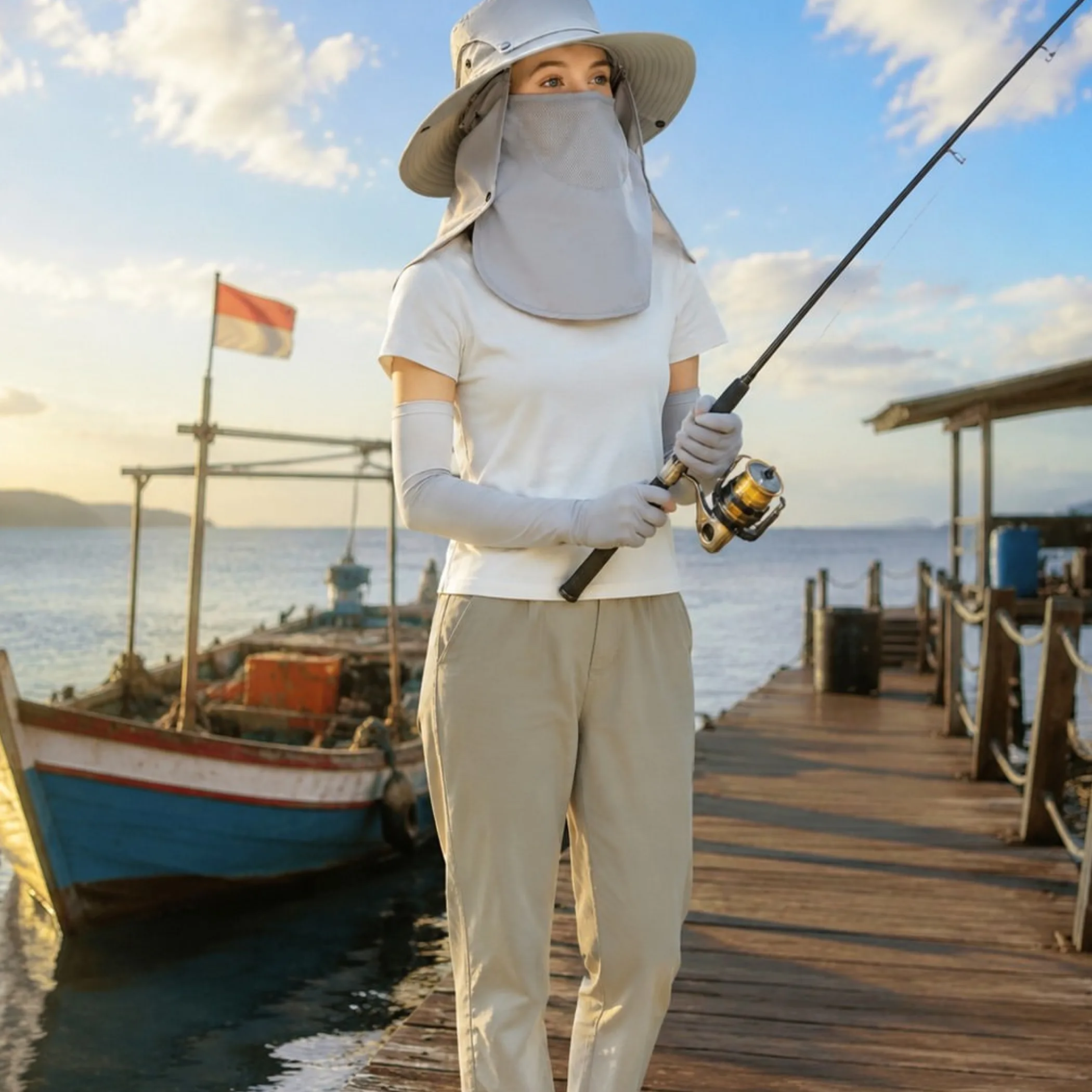
How well you can put treated skin out of harm’s way is down to the time of year. An indoor worker in Melbourne might have a comfortable recovery in the winter, whereas a resident of Cairns who is outside and in the pool would be better off in the dry season.
It is about minimising the unplanned exposure to the outdoors, the sweat and the heat as the skin barrier mends. This goes some way to averting post-inflammatory hyperpigmentation and irritation, if not all the risks involved.
An Easier Recovery In Winter
One could argue the Australian winter is the best of the year for this sort of thing in Australia. There is less of a tendency to be sweating profusely and more of a disposition to be indoors given the milder temperatures. And while a coat will cover you, the face must still be properly protected.
Do not think a cold day means you can forgo your SPF 50+; at altitude or near something reflective, even a bright winter day has its UV.
The North Favors The Dry Season
Up in far north Queensland and the Top End you will find “winter” to be something of a misnomer. The dry season has the edge over the wet with its rain and humidity, making for a more manageable convalescence. The wet season will throw tropical storms and heat at you and put paid to your outdoor plans.
I found when I was living around Cairns the contrast between a morning in the dry and an afternoon in the wet was enough to alter what I took with me on a short outing. With skin recovery it is the conditions, not the calendar, that are of consequence.
A Clear Comparison Of Seasons
Recovery will vary by season. What follows is a useful point of reference, though a dermatologist or good cosmetic clinic will have the last word on what is right for your skin.
| Season | Helpful conditions | Common challenges | Best suited to |
|---|---|---|---|
| Australian summer | Some indoor routines and longer daylight | Strong UV, outdoor events, heat and humidity | Those with the discipline to avoid the sun and a flexible schedule |
| Australian autumn | As a rule less humid and cooler than summer | Lingering UV and the odd change in weather | Planned recovery and non-ablative work |
| Australian winter | Indoor downtime is easier, little in the way of heat or sweat | Winter travel or sport, dry air and bright UV | Fractional and some resurfacing as well as non-ablative |
| Australian spring | Mild in much of the country | More to do outdoors, pollen and the days lengthen | Anyone able to see healing through before the holidays |
| Northern dry season | More predictable and drier than the wet | Sunlight is still strong | Avoiders of direct sun in the north |
These are not hard and fast numbers. You may have a day or three of redness with a non-ablative, a fractional laser can mean several days of swelling or peeling. With ablative resurfacing the healing takes longer and the result will be evident only once the surface has settled.
On Sun And UV
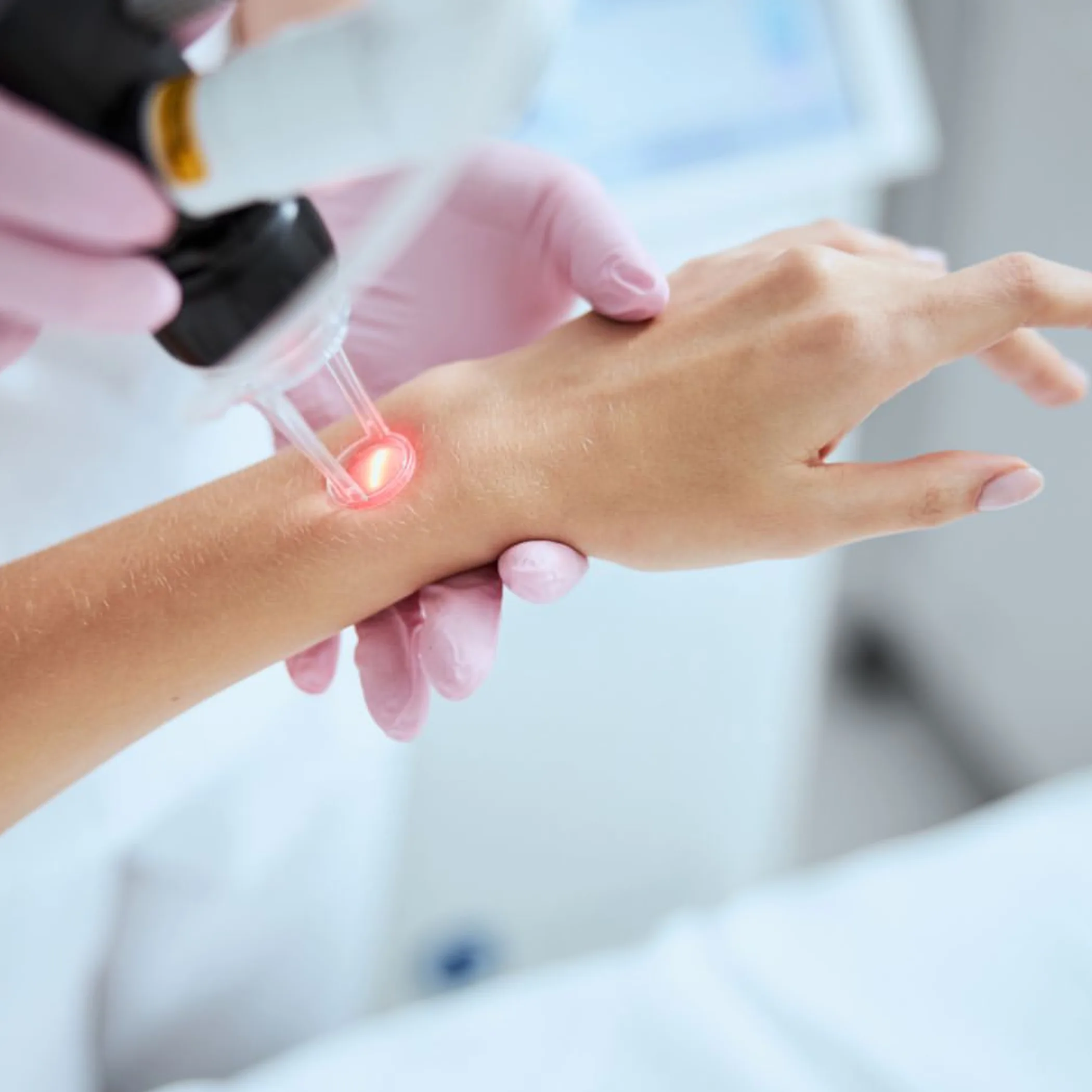
After a laser your skin is apt to be more reactive. If the area is inflamed, some sun can add to the redness, put a hold on recovery or lead to hyperpigmentation. And in Australia the UV is there whether the air is cool or not. Make it a habit to consult the Bureau of Meteorology UV Index when you are making plans for the outdoors and be sure to adhere to your clinician on matters of sunscreen, hats and direct sun.
Protection in Cold Weather
There is a reason winter laser treatment is so well regarded in Australia, yet the winter sun has a way of taking people by surprise. One can easily accumulate more exposure than one thinks from a drive or walk to work, time at a window or even a footy match at the weekend.
Heed the sun protection put forward by your clinician; this will normally mean broad-spectrum SPF 50+ and some shade as well as protective clothing. Put on more sunscreen if you have been out of doors or perspiring, in line with the product and clinic’s recommendations.
Hold Off on Sun-Heavy Holidays
An aggressive treatment is not something to put on the calendar right before a long road trip through the Red Centre, a foray to the reef or a beach holiday. The Gibb River Road, Stuart Highway and tropical coast make for fine travel but they come with their share of heat, dust and sun, not to mention little in the way of clinical support.
The tendency is to put the appointment first and relegate the holiday to an afterthought. In fact the appointment is merely the beginning; the recovery schedule has to account for work, transport, exercise and the odds of being in the shade.
Timing and Treatment
The season is in part dictated by how profound an effect the treatment has on the skin since downtime is not uniform across all lasers. A non-ablative, fractional or ablative laser will each have its own aftercare demands.
Non-Ablative: Some Flexibility Required
Because non-ablative lasers go deep into the skin structures without stripping the surface, some will be left with redness or swelling for a while and others will appear normal in short order.
Autumn and the northern dry season, along with winter, are conducive to these procedures as one can better manage the heat and sweat. But do not take “minimal” downtime to be an excuse for no aftercare; the skin will require good sun protection and to be cleansed and moisturised with care.
Putting in the Work for Fractional Laser
With fractional treatment the surrounding skin is left alone while microscopic zones are treated. Expect some sensitivity, peeling and roughness in the recovery phase. How long that lasts is down to the settings, the area treated and the type of procedure.
Winter is the easiest time for it but one should factor in some leeway ahead of any big travel, a presentation at work or a wedding. It is in the middle of the healing process, when the face may not look as settled as it feels, that impatience can get the better of you.
Ablative Resurfacing
This type of resurfacing entails vaporising or removing a portion of the outer layer of skin and a fair amount of downtime to boot. Wound care and prescribed ointments are de rigueur, as is keeping away from any UV exposure that is not necessary.
While the cooler months are of assistance, the dry air can be irritating. Your clinician will set out the healing period and what the warning signs are, as well as when it is safe to resume swimming, work and the like.
Have a Recovery Timeline
To avoid the error of fitting in a treatment between a camping trip with the family and a deadline at work, plan accordingly. Take the recovery instructions and then build around the life events that are immovable.
An early consultation is advisable to cover off on medications, skin history and pigmentation risk, and to put a realistic figure on downtime. Find out who is doing the work and with what device and settings, and under what circumstances you need to ring the clinic.
Preparation Checklist
- Get clear on the laser type and the depth of the treatment and how long the skin is likely to take to recover.
- Put some space in before you head to a wedding or have outdoor work to do.
- If there is any question of driving due to medication or discomfort, make other arrangements.
- Have on hand a wide-brimmed hat, SPF 50+, clean pillowcases and a moisturiser and cleanser that are gentle.
- Until given the all-clear, stay out of direct sunlight and heavy exercise and keep away from the pool or sauna.
- See that your accommodation is equipped with air conditioning and shade and is close to medical care.
Should you have only a day to spare, a consultation is better than to be hasty with the treatment. A thorough assessment will tell you if the recovery plan and laser are right for your skin and your timetable.
Adhere to the Healing Guidelines
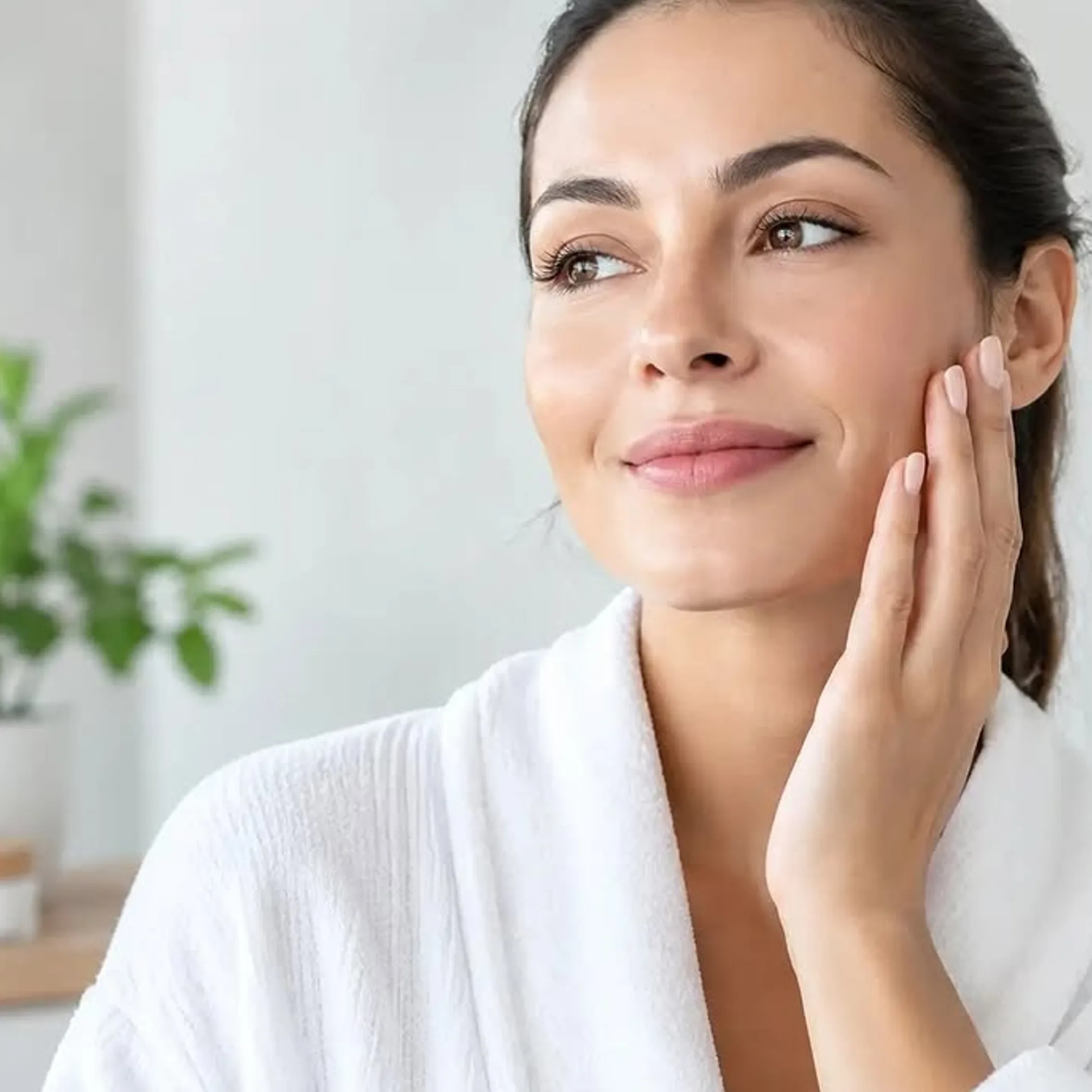
Aftercare in Australia for laser treatment is rarely glamorous but it is the most practical advice: protect the skin from UV, don’t pick at it and keep it clean. What your clinic puts in writing is what should be followed as aftercare is dependent on the device and the treatment.
In the first few days the skin barrier is open to vulnerability so these guidelines are key. Unless the clinician is in agreement, leave the exfoliating acids, retinoids and home remedies with fragrance well alone.
Manage Heat And Sweating
After treatment one can be more uncomfortable from the heat and perspiration. An Australian summer will make even a brief walk to the car seem like an unwise decision in some cases. Where you can, put air conditioning or a cool room to use; however, do not put ice on the treated skin of your own accord unless the clinician has told you to.
Put off any hard exercise until the clinic has given its all clear. Working up a sweat and raising your temperature is not advisable, and there are bacteria and irritants to be found on gym equipment. The same applies to saunas, spas and swimming while the skin is in the process of healing.
When To Call For Help
You should anticipate a degree of peeling, sensitivity, redness and swelling. But if pain is mounting, or there is pus, blistering of any consequence, fever, or redness that will not stay put, these are not things to put down to a cup of tea and see if they pass.
Should you have any concerns over your symptoms, get in touch with the treating clinic without delay. In the event of a severe reaction, trouble breathing, or facial swelling around the mouth or eyes, or anything you would deem dangerous, urgent medical attention is warranted.
Common Questions on Recovery
Laser recovery advice has a way of sounding at odds with itself so these are questions we are often asked. The following are short answers to point you in the right direction, though it is your clinician who will tailor the plan.
The Best Season?
For most, the Australian winter is the time of year for laser recovery as there is less in the way of outdoor obligations and the heat and sweating are reduced. Up north the dry season is preferable. Then again, the safest option is whatever season you can be sure of keeping out of the sun and minding your aftercare.
Is Winter the answer?
Not necessarily. There is still the matter of strong UV, dry air, and work outdoors, to say nothing of a trip to the beach or skiing. If one cannot put distance between oneself and the sun in winter, a different time of year may afford better protection and a safer recovery.
How long to keep out of the direct sun?
That is a matter of your skin type, the depth of the treatment and what the clinic’s protocol is. You may have to eschew the sun entirely for days in some instances, but weeks of protection will be called for as the skin settles. Have the clinic put it in writing as to when you can go about your normal business.
Summer treatments?
Some opt for it in the summer, non-ablative procedures in particular since the downtime is minimal. But in Queensland, Western Australia or the Northern Territory the summer sun means you have to plan accordingly post treatment. It is a case of having the shade, the air con and the time to be away from the heat.
Resuming Exercise
Do not until your clinician is satisfied the skin has made enough of a recovery. You might be able to put in some gentle movement before you are ready for the rigours of training, but the friction, the heat and the shared apparatus at the gym will do nothing for skin that is trying to heal.
Recovery Should Come First
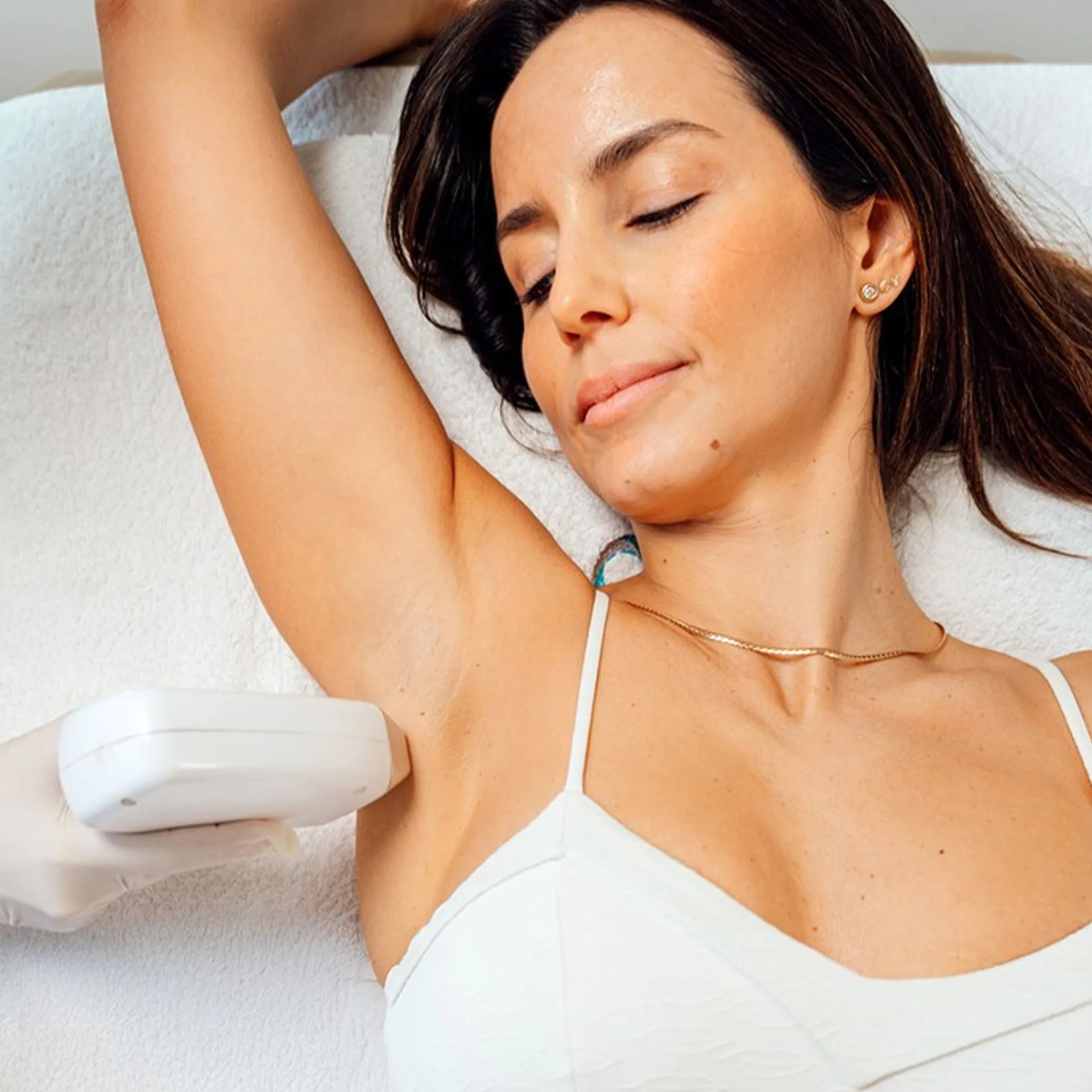
While winter is usually the best bet for recovering from laser skin treatment in Australia, many find autumn or the dry season in the north equally practical. Summer is doable but it is more demanding in terms of planning for the humidity, UV and being outside.
Select the season that puts you in charge of your schedule, not just the one with the mildest weather. Be realistic with your downtime and consider sun protection part and parcel of the procedure, not something to be left to chance. Adhere to what your clinician prescribes for aftercare. Your skin is not going to be sympathetic to a holiday you put in the diary months back; it will only know if it has been allowed to heal properly.